
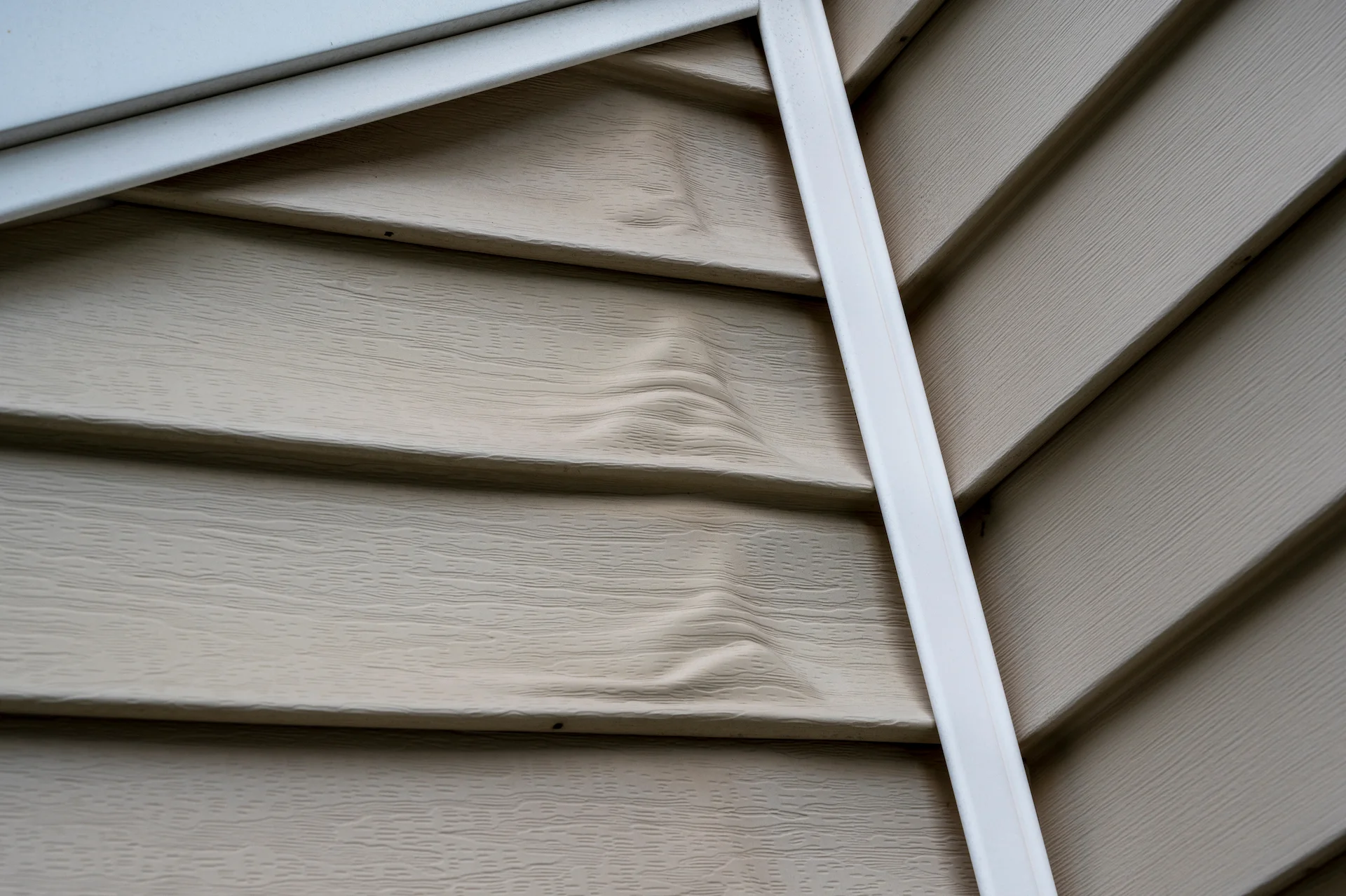
Clapboard siding plays an important role in protecting commercial buildings from rain, wind, moisture intrusion, and the changing weather conditions experienced throughout New England. For property managers, facility directors, and commercial building owners, deteriorating siding is more than a cosmetic concern. When the exterior envelope begins to fail, moisture can penetrate behind the siding, damage underlying materials, and contribute to costly repairs throughout the building.
But how do you know when commercial clapboard siding can be repaired—and when replacement is the more practical long-term solution?
For buildings across Massachusetts, Rhode Island, Connecticut, and New Hampshire, the answer depends on the extent of deterioration, the condition of the underlying wall assembly, the effectiveness of existing moisture barriers, and the cost of continued maintenance.
At ESI Waterproofing & Masonry Restoration, Inc., exterior restoration is about more than improving appearances. It is about protecting building performance, addressing moisture-related problems, and helping property owners make informed decisions about long-term maintenance and capital improvements.
1. Widespread Rot, Soft Wood, or Structural Deterioration
One of the clearest indicators that clapboard siding may need replacement is widespread deterioration of the siding material itself.
Wood clapboard siding can absorb moisture through damaged paint, open joints, failed sealant, and exposed end grain. Over time, repeated wetting and drying can cause wood to deteriorate, particularly around windows, doors, rooflines, and other vulnerable transitions.
Warning signs include:
- Soft or spongy siding that yields when gently pressed.
- Wood rot, crumbling edges, or sections that break apart.
- Swelling, splitting, warping, or boards pulling away from the wall.
- Widespread deterioration around windows, doors, corners, or trim.
- Repeated repairs that fail to resolve the same problems.
Localized deterioration does not automatically require full replacement. If damage is limited to a few boards and the surrounding assembly remains sound, selective replacement may be sufficient.
However, when deterioration is widespread or extends behind the visible siding, replacing isolated sections may only postpone a larger project.
What property managers should do: Arrange for a professional exterior assessment to determine whether the damage is limited to the siding or involves sheathing, framing, flashing, or other concealed components.
2. Recurring Water Intrusion and Moisture Behind the Siding
Water intrusion is one of the most important reasons to investigate aging commercial siding.
In New England, buildings experience prolonged periods of rain, wind-driven precipitation, freezing temperatures, snow, and seasonal temperature fluctuations. These conditions can expose weaknesses in exterior joints, flashing, sealants, and moisture-management details.
Look for:
- Water stains on interior walls or ceilings near exterior walls.
- Peeling paint, bubbling finishes, or persistent musty odors.
- Repeated leaks around windows, doors, and wall penetrations.
- Deteriorated caulking or failed sealant joints.
- Evidence of moisture damage behind loose or damaged boards.
- Mold-like growth or discoloration that may indicate a moisture problem.
Visible siding damage is not always the original source of a leak. Water may enter through failed flashing, roof-to-wall transitions, window perimeters, or other components of the building envelope.
Replacing the siding without correcting these underlying defects can allow the same moisture problems to return.
The ESI approach: A durable restoration strategy should identify how water is entering the assembly, assess the affected materials, and address relevant waterproofing and flashing details as part of the repair or replacement plan.
3. Repeated Repairs Are Becoming More Expensive
Routine maintenance is a normal part of commercial property ownership. However, recurring siding repairs can become inefficient when the same areas continue to fail.
Consider the full cost of maintaining the existing exterior:
- Repeated labor and material expenses.
- Lift rental, scaffolding, and site-access costs.
- Temporary protection for occupants, equipment, and inventory.
- Interior repairs associated with recurring water intrusion.
- Disruption to tenants, customers, and building operations.
- The possibility of more extensive concealed damage.
For example, a property may have several isolated areas of deteriorated clapboard siding. After individual repairs, new problems emerge in adjacent sections the following year. At that point, a broader replacement project may provide better long-term value than continuing to repair the same elevation in stages.
A useful comparison is to evaluate the expected cost of repeated repairs over a defined maintenance period against the cost of replacement, including necessary moisture-management improvements.
Replacement is not automatically less expensive, but the lowest initial repair cost does not always represent the lowest long-term ownership cost.
4. Siding Is Loose, Warped, Cracked, or Separating at the Joints
Clapboard siding must remain properly secured and detailed to perform as intended.
Loose boards, open joints, buckling, and warped sections can expose vulnerable areas of the exterior wall to precipitation. These conditions may result from moisture-related movement, deteriorated fasteners, improper installation, or aging materials.
Pay particular attention to:
- Boards that visibly move or separate from adjacent courses.
- Open joints around corners and trim.
- Cracked or missing sections near windows and doors.
- Repeatedly failed caulking at transitions.
- Distorted boards that prevent consistent drainage or overlap.
Isolated defects can often be corrected without replacing an entire wall. Widespread movement, however, may indicate that the siding system has deteriorated beyond the point where spot repairs are a reliable solution.
Before installing replacement siding, the condition of the supporting substrate and the details that manage water behind the exterior finish should be evaluated.
5. Paint Failure Keeps Returning Despite Maintenance
Peeling or blistering paint is not necessarily a sign that siding must be replaced. It may indicate inadequate surface preparation, incompatible coatings, trapped moisture, or a maintenance issue.
The distinction is whether the siding underneath remains sound.
If the wood is firm, dry, and properly installed, preparation and repainting may restore the exterior finish. If paint failure occurs alongside soft wood, widespread splitting, or recurring moisture intrusion, the problem may be more extensive.
Repeatedly repainting deteriorated boards without correcting the underlying cause can waste maintenance budgets while leaving the building vulnerable.
A professional evaluation can help distinguish between a coating problem and a siding or building-envelope failure.
6. Hidden Damage Is Discovered Behind the Existing Siding
Some of the most consequential exterior problems are not visible until siding is removed.
Concealed deterioration may affect:
- Wall sheathing and framing.
- Water-resistive barriers.
- Window and door flashing.
- Connections between siding and adjacent exterior materials.
- Insulation and other components of the wall assembly.
If moisture has repeatedly entered the wall, the visible siding may represent only a small portion of the affected area.
When replacement is being considered, the project scope should account for investigation of concealed conditions and appropriate repairs before the new siding is installed.
For older commercial properties, especially historic buildings, the assessment should also consider the original construction methods and materials so that repairs preserve the building’s character while addressing performance concerns.
7. The Building Envelope Needs a Broader Restoration Strategy
Sometimes, deteriorating clapboard siding is only one component of a larger exterior maintenance problem.
Commercial buildings may have multiple exterior systems, including masonry, concrete, stucco, EIFS, sealants, flashing, and siding. Defects at the interfaces between these materials can create pathways for water intrusion.
A building may need more than new siding if the assessment identifies:
- Deteriorated masonry joints near siding transitions.
- Cracked concrete or failed waterproofing at adjacent assemblies.
- Defective flashing at rooflines or openings.
- Deteriorated stucco or EIFS at adjoining wall sections.
- Poor drainage or improperly detailed exterior penetrations.
ESI Waterproofing & Masonry Restoration, Inc. provides exterior restoration services that include masonry restoration, concrete restoration, waterproofing, historic restoration, EIFS repair, stucco repair, and PVC and clapboard siding replacement.
Coordinating related work can help property managers address connected defects rather than treating each visible symptom as an isolated problem.
Repair or Replace? How to Make the Right Decision
Not every aging clapboard exterior requires complete replacement. The appropriate solution depends on the condition of the siding and the wall assembly, the extent of deterioration, and the building’s long-term maintenance objectives.
| Condition | Potentially Appropriate Approach |
|---|---|
| A few damaged boards with sound surrounding materials | Localized siding repair or selective board replacement |
| Sound siding with peeling paint | Surface preparation, coating maintenance, and investigation of moisture sources |
| Isolated leaks caused by defective flashing or sealant | Correct the identified water-entry point and repair affected materials |
| Widespread rot, splitting, or warped boards | Evaluate full or elevation-wide siding replacement |
| Repeated moisture intrusion and concealed substrate damage | Investigate the wall assembly and develop a coordinated restoration scope |
| Multiple failing exterior systems | Consider a broader building-envelope restoration project |
These are general guidelines, not a substitute for an on-site assessment. The appropriate scope should be based on verified conditions rather than the appearance of the siding alone.
New England Building Codes and Considerations for Commercial Siding Replacement
Commercial siding replacement may involve more than selecting a material and installing new boards. Depending on the building, project scope, occupancy, and local requirements, the work may trigger building-permit, fire-safety, energy-code, or existing-building requirements.
Property managers should coordinate with the local building department and qualified design professionals when needed.
Massachusetts: The Massachusetts State Building Code, 780 CMR, 10th Edition, is based on the 2021 International Codes with Massachusetts amendments. Existing-building provisions are addressed in 780 CMR Chapter 34 and the adopted International Existing Building Code, as amended. Applicable energy-code requirements may also depend on the municipality and whether it has adopted the Stretch or Specialized Code. See the Massachusetts State Building Code.
Rhode Island: The state building code incorporates the International Building Code and related regulations. Effective December 1, 2025, Rhode Island incorporated the 2021 editions of several ICC codes, including the International Building Code and International Existing Building Code, with Rhode Island amendments. Confirm the requirements applicable to the specific project with the local building official. See the Rhode Island Building Code resources.
Connecticut: The state publishes its building-code requirements through the Connecticut Department of Administrative Services. The 2022 Connecticut State Building Code adopts the 2021 International Building Code and International Existing Building Code, among other model codes. Verify applicable requirements and any updates before preparing a permit application. See the Connecticut State Building Code regulations.
New Hampshire: New Hampshire’s building-code requirements are established under RSA Chapter 155-A. The statutory definition of the state building code was updated to reference the 2024 International Building Code and International Existing Building Code, with the changes effective July 1, 2026. Confirm current state and local requirements for the project. See New Hampshire RSA Chapter 155-A.
Important: These references are a starting point, not a project-specific code determination. Applicability depends on the building, work classification, permit timing, local amendments, and other project conditions. Historic properties may have additional preservation-review requirements.
Choosing Replacement Siding for Commercial Properties
When replacement is warranted, material selection should consider durability, maintenance, compatibility with the existing structure, appearance, and the building’s exposure to moisture.
Options may include:
Wood Clapboard Siding
Can preserve the traditional appearance of historic and character-rich commercial buildings. It requires appropriate detailing, protective coatings, and ongoing maintenance.
PVC Siding
May offer reduced maintenance compared with traditional wood in suitable applications. Product specifications, installation requirements, appearance, and compatibility with the existing assembly should be reviewed before selection.
Other Exterior Systems
Depending on the building, adjacent EIFS, stucco, masonry, or other wall systems may need coordinated repair to maintain effective water management at transitions.
No single material is right for every property. The goal is to select a system that meets the building’s functional requirements and can be maintained effectively over time.
How to Plan Siding Replacement Without Disrupting Building Operations
For occupied commercial buildings, scheduling and coordination are as important as material selection.
A well-planned project should address:
- Condition assessment: Identify visible deterioration, likely water-entry points, and areas requiring further investigation.
- Defined scope: Establish which elevations, trim details, flashing components, and concealed materials may require repair or replacement.
- Budget planning: Compare selective repairs with comprehensive replacement, including access equipment, contingency allowances, and potential concealed damage.
- Occupant coordination: Plan work zones, access routes, noise, debris management, and communication with tenants or facility users.
- Installation and quality control: Verify substrate conditions, flashing, moisture-management details, fastening, and compatibility of the replacement materials.
- Maintenance planning: Establish an inspection and maintenance program appropriate for the selected siding system.
For property managers overseeing multiple buildings, documenting the condition of each elevation can also support capital planning and help prioritize the most urgent work.
Why Work with ESI Waterproofing & Masonry Restoration, Inc.?
Exterior deterioration requires an approach that considers how the building performs as a complete system—not simply how it looks from the outside.
ESI Waterproofing & Masonry Restoration, Inc. specializes in masonry restoration, concrete restoration, waterproofing, historic restoration, EIFS repair, stucco repair, and PVC and clapboard siding replacement.
For commercial property owners and facility managers, a coordinated restoration approach can help identify related exterior deficiencies, define the necessary scope of work, and prioritize repairs that protect the building over the long term.
Whether your property needs selective siding replacement or a more comprehensive exterior restoration project, addressing deterioration early can help reduce the risk of escalating damage and unplanned maintenance expenses.
Protect Your Property Before Siding Problems Escalate
How long should you continue repairing aging clapboard siding before considering replacement? The answer depends on the extent of deterioration, the condition of the underlying wall assembly, and whether the existing system can continue to perform reliably.
Widespread rot, recurring water intrusion, repeated repair failures, and concealed moisture damage are all reasons to investigate whether a more comprehensive solution is warranted.
If your commercial building in Massachusetts, Rhode Island, Connecticut, or New Hampshire is showing signs of siding deterioration, ESI Waterproofing & Masonry Restoration, Inc. can help you evaluate your exterior restoration needs.
Visit ESI Waterproofing & Masonry Restoration, Inc. to learn more about its services and request a free estimate for your commercial property.
Protect your building envelope. Plan repairs strategically. Invest in long-term exterior performance.
Disclaimer: This article is provided for general informational and educational purposes only and is not a substitute for a project-specific inspection, professional advice, or applicable building codes and regulations. Building conditions, materials, and requirements vary by property and jurisdiction. Recommendations should be evaluated by qualified professionals based on the specific project. External resources are provided for informational purposes only; their inclusion does not imply endorsement of ESI Waterproofing & Masonry Restoration Inc. by the referenced organizations.