
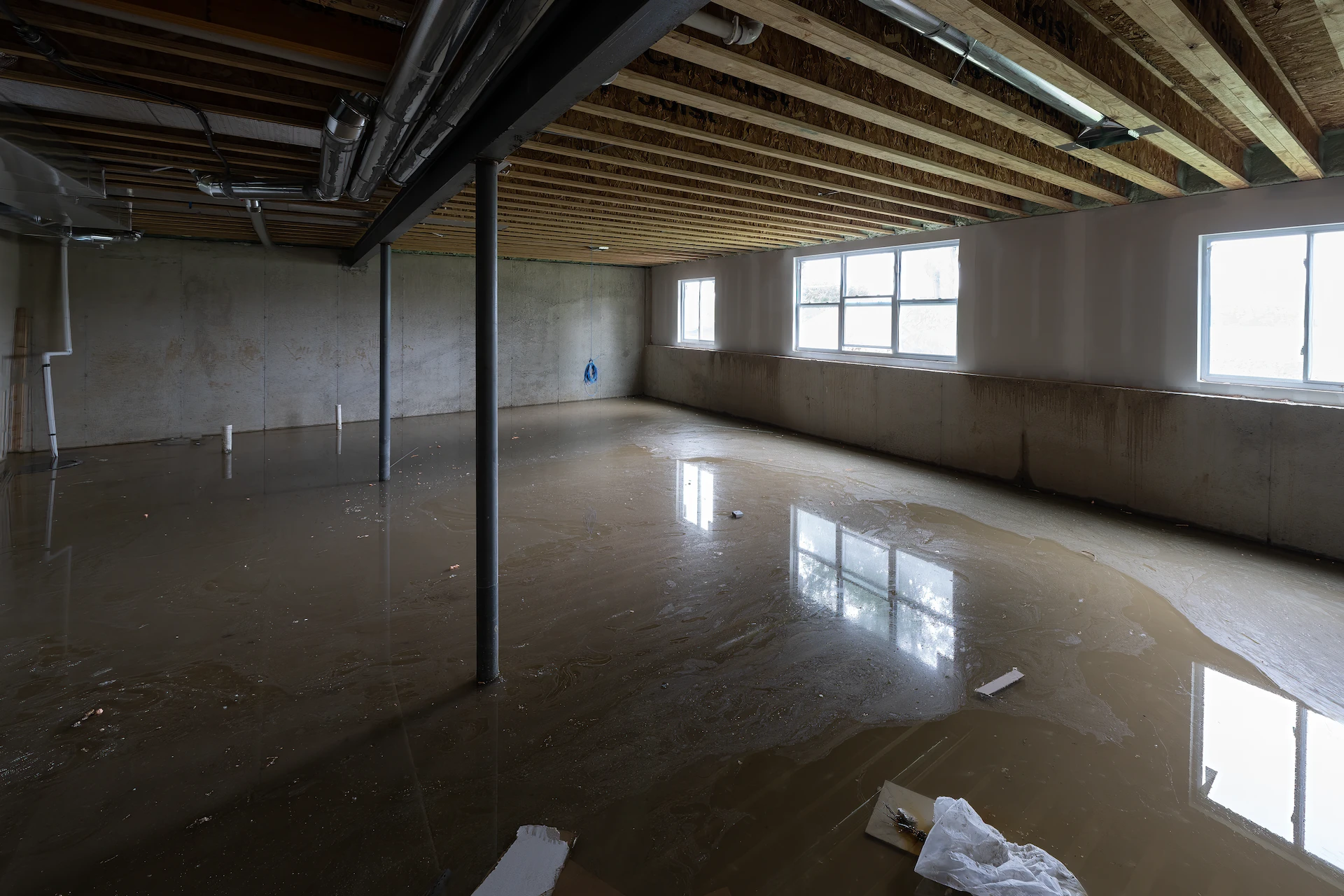
For commercial property managers and building owners across Massachusetts and New England, groundwater pressure isn’t just a seasonal nuisance — it’s a structural risk. From freeze-thaw cycles to heavy spring runoff and coastal water tables, our region creates ideal conditions for hydrostatic pressure to build against below-grade foundation walls.
If left unmanaged, groundwater pressure can compromise structural integrity, increase liability exposure, and trigger costly emergency repairs.
At ESI Waterproofing & Masonry Restoration Inc., we specialize in protecting commercial foundations from water intrusion and long-term deterioration — with code-compliant solutions built specifically for New England properties.
Understanding Hydrostatic Pressure in Commercial Buildings
Hydrostatic pressure occurs when groundwater accumulates in the soil surrounding your building. As saturation increases, water exerts lateral pressure against foundation walls and slabs. Over time, that pressure forces moisture through:
- Hairline cracks in concrete
- Mortar joints in masonry
- Cold joints between slab and wall
- Porous block or stone foundations
In Massachusetts, where high water tables and clay-heavy soils are common, this pressure intensifies after snowmelt, nor’easters, and prolonged rainfall.
Why This Is a Major Risk in New England
Commercial properties in cities like Boston, Worcester, Providence, and throughout Massachusetts face unique environmental stressors:
1. Freeze-Thaw Expansion
2. Aging Infrastructure
3. Coastal & High-Water Tables
Massachusetts Code Considerations for Foundation Waterproofing
Groundwater management isn’t just best practice — it’s addressed in building codes.
Commercial properties in Massachusetts fall under the 780 CMR (Massachusetts State Building Code), which adopts and modifies the International Building Code (IBC).
Key relevant provisions include:
- IBC Section 1805 – Dampproofing and Waterproofing requirements for below-grade walls
- IBC Section 1807 – Foundation wall design and lateral soil loads
- Proper subsurface drainage systems when groundwater conditions exist
- Foundation wall reinforcement to resist hydrostatic loads
Failure to comply can result in failed inspections, insurance complications, and long-term liability exposure.
At ESI, all foundation waterproofing and masonry restoration work aligns with current Massachusetts code requirements and regional best practices.
Warning Signs of Excess Groundwater Pressure
Property managers should proactively watch for:
- Efflorescence (white mineral deposits)
- Bowing or inward deflection of foundation walls
- Persistent dampness or pooling water
- Rusting structural steel or column bases
- Mold growth in lower-level tenant spaces
- Spalling brick or deteriorating mortar joints
These symptoms often appear before major structural failure — giving you an opportunity to intervene strategically instead of reactively.
Strategic Capital Planning for Groundwater Control
Groundwater management should be part of your annual building envelope review. We recommend:
- Routine below-grade inspections
- Drainage system evaluations
- Masonry condition assessments
- Pre-winter and post-winter moisture checks
Proactive assessment allows you to budget repairs strategically rather than absorb unexpected emergency costs.
Contact ESI Waterproofing & Masonry Restoration Inc. today to schedule a commercial foundation evaluation and protect your building from long-term structural damage.
- Schedule a Commercial Foundation Inspection
- Request a Waterproofing Consultation
- Protect Your Investment with Code-Compliant Solutions