
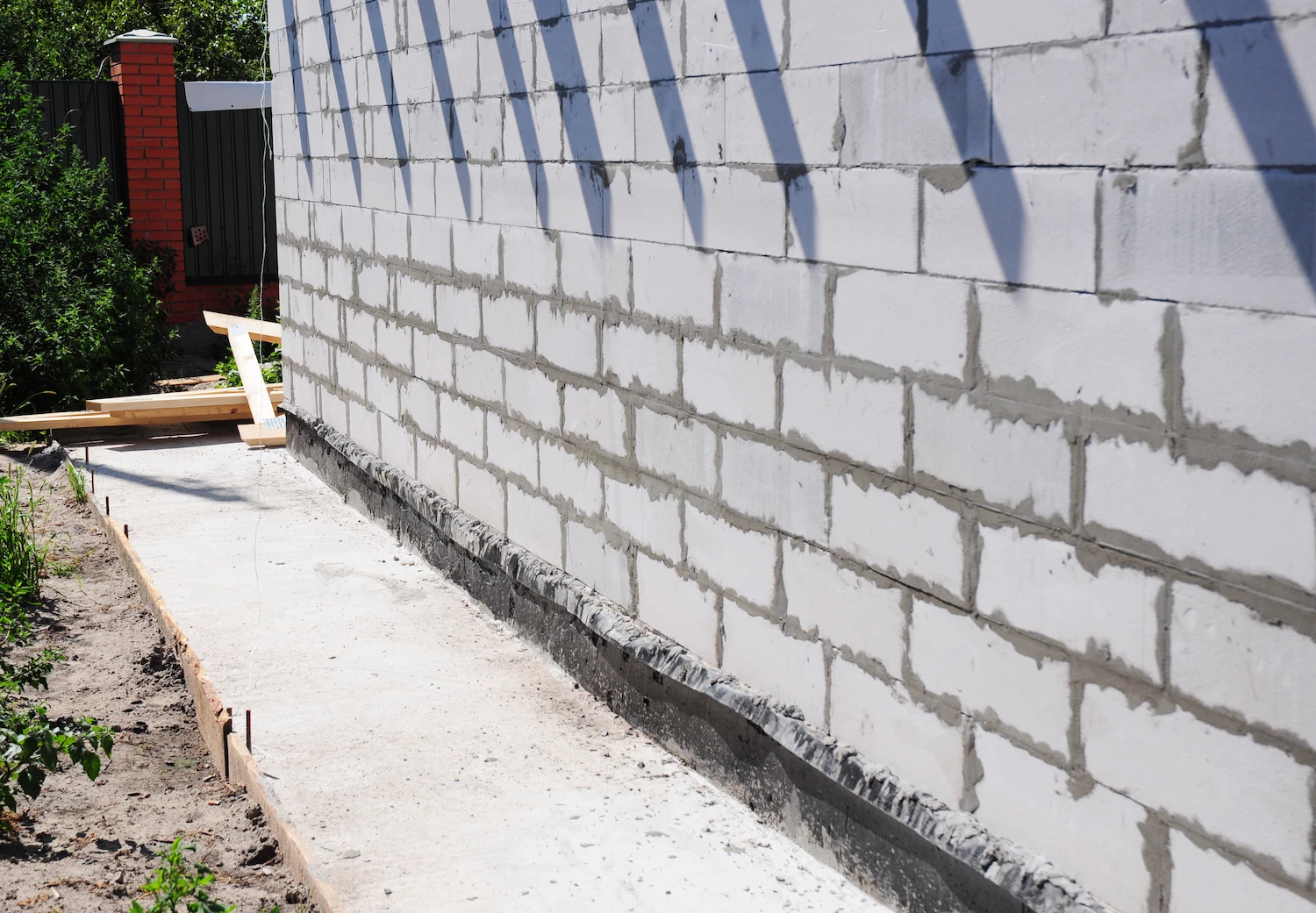
A commercial building’s foundation is one of its most critical structural components. Yet foundation problems can develop slowly and remain unnoticed until they become expensive—and potentially disruptive—to address.
For property managers, facility directors, commercial building owners, and condominium associations throughout Massachusetts and New England, foundation deterioration can be particularly challenging. Seasonal freeze-thaw cycles, groundwater, heavy precipitation, coastal exposure, road salt, aging masonry, and decades of deferred maintenance can all contribute to foundation problems.
A small crack or isolated area of water infiltration may seem insignificant today, but it can be an early indication of a larger building-envelope or foundation issue.
At ESI Waterproofing & Masonry Restoration Inc., we help commercial property owners identify and address problems involving masonry, concrete, waterproofing, and below-grade building components. Our services are designed to help protect buildings from moisture intrusion and deterioration while extending the useful life of existing structures.
What Causes Foundation Problems in New England?
New England buildings are exposed to environmental conditions that can accelerate deterioration.
1. Freeze-Thaw Cycles
Water can enter cracks, masonry joints, porous concrete, and other vulnerable areas. When temperatures fall below freezing, trapped moisture expands.
Repeated freezing and thawing can contribute to:
- Concrete cracking
- Masonry deterioration
- Spalling
- Mortar joint failure
- Foundation wall deterioration
- Increased water infiltration
- Expansion of existing cracks
Over multiple winters, seemingly minor deterioration can become a much larger maintenance problem.
2. Groundwater and Hydrostatic Pressure
Commercial foundations are constantly exposed to soil and groundwater conditions.
When water accumulates around below-grade walls, hydrostatic pressure can increase. Aging waterproofing systems, deteriorated drainage systems, and cracks or joints in foundation walls can provide pathways for moisture to enter a building.
Water infiltration can result in:
- Damp basement areas
- Efflorescence
- Mold-supporting moisture conditions
- Damaged finishes
- Corrosion of embedded steel
- Deterioration of masonry and concrete
- Damage to mechanical or electrical spaces
ESI recently addressed the importance of managing groundwater pressure around commercial foundations in New England, where below-grade moisture can create significant long-term building maintenance challenges.
3. Aging Masonry and Concrete
Many commercial properties throughout Massachusetts and New England are decades—or even centuries—old.
Older buildings may contain:
- Brick masonry foundations
- Stone foundations
- Concrete foundation walls
- Mixed masonry construction
- Aging mortar joints
- Previous waterproofing systems
- Multiple generations of repairs
Foundation repair therefore requires more than simply filling a crack. The surrounding materials, moisture conditions, construction history, and source of deterioration should be considered before selecting a repair approach.
Common Signs Your Commercial Building May Need Foundation Repairs
Property managers should not wait until a foundation problem becomes an emergency.
Watch for these warning signs:
Cracks in Foundation Walls
Vertical, horizontal, stair-step, or irregular cracking can indicate different types of deterioration. Not every crack represents a structural emergency, but significant or changing cracks should be evaluated appropriately.
Water Infiltration
Water entering through foundation walls, joints, cracks, or penetrations is one of the clearest signs that a below-grade waterproofing system may require attention.
Efflorescence
White, powdery deposits on masonry or concrete surfaces can indicate moisture migration through the material.
Spalling Concrete
Concrete that is cracking, delaminating, or breaking away can expose reinforcement and accelerate deterioration.
Deteriorated Mortar
Failing mortar joints can allow water to penetrate masonry assemblies and contribute to progressive deterioration.
Rust or Corrosion
Rust staining may indicate moisture reaching embedded steel reinforcement or other metal components.
Damp or Musty Lower Levels
Persistent moisture in basements, parking structures, mechanical rooms, or other below-grade areas should not automatically be considered normal for an older building.
Repeated Repairs
If the same foundation crack or water leak continues to return after temporary repairs, the underlying source may not have been addressed.
Foundation Repair vs. Foundation Waterproofing
One of the most important distinctions for commercial property owners is understanding that foundation repair and foundation waterproofing are related but different services.
A foundation may have a structural or masonry deterioration issue that requires repair.
At the same time, water may be contributing to that deterioration.
Addressing only the visible damage without addressing the moisture source can result in recurring problems.
Depending on the building and site conditions, a comprehensive solution may involve:
- Masonry restoration
- Concrete restoration
- Crack repair
- Joint repair
- Exterior waterproofing
- Below-grade waterproofing
- Sealant replacement
- Drainage improvements
- Protective coatings
- Localized reconstruction
The appropriate approach depends on the condition of the existing assembly and the source of the problem.
Massachusetts Building Code Considerations for Foundation Repairs
Foundation repair projects in Massachusetts should be evaluated within the applicable requirements of the Massachusetts State Building Code, 780 CMR.
Massachusetts currently publishes its 10th Edition State Building Code, including amendments addressing soils and foundations and existing buildings.
For existing commercial buildings, 780 CMR Chapter 34, Existing Building Code, applies to repairs, alterations, changes of occupancy, additions, and relocation of existing buildings.
Massachusetts regulations also specifically address “substantial repair of a foundation.” Under the applicable provisions, foundation work involving repair or replacement of a sufficiently large portion of the foundation can trigger additional code considerations.
This is particularly important for commercial property owners considering extensive foundation rehabilitation.
Waterproofing Requirements
Massachusetts code provisions also address foundation waterproofing and damp proofing. The applicable requirements can depend on factors such as the building use and groundwater or soil-water conditions.
For this reason, foundation repair should not be treated as a one-size-fits-all maintenance project.
Important: Applicable code requirements vary by project, building type, location, scope, flood zone, and existing conditions. Property owners should coordinate with the project’s architect, engineer, building official, and other required design professionals when structural or substantial foundation work is involved.
Why Waterproofing Matters After Foundation Repairs
Repairing a deteriorated foundation without addressing water exposure can leave the building vulnerable to continued deterioration.
Waterproofing can be an important component of a larger foundation rehabilitation strategy.
Depending on project conditions, waterproofing solutions may help:
- Reduce water infiltration
- Protect below-grade masonry
- Protect concrete surfaces
- Reduce moisture-related deterioration
- Extend the service life of repaired areas
- Protect finished interior spaces
- Reduce recurring maintenance
- Protect valuable building systems
Massachusetts building-code provisions recognize waterproofing requirements for certain foundation conditions, including situations involving severe soil-water conditions.
How ESI Approaches Commercial Foundation Repair
At ESI Waterproofing & Masonry Restoration Inc., foundation-related projects are approached as part of the larger building envelope and restoration system.
Our expertise includes:
Masonry Restoration
Deteriorated brick, mortar, stone, and other masonry components can allow moisture to enter and accelerate deterioration. Masonry restoration can help preserve the integrity and service life of existing assemblies.
Concrete Restoration
Concrete deterioration can result from moisture exposure, freeze-thaw cycles, corrosion, age, and other environmental conditions.
ESI provides concrete restoration and specialty coating services for commercial properties.
Commercial Waterproofing
Waterproofing can help address moisture infiltration affecting foundations, below-grade spaces, parking structures, and other building components.
Historical Restoration
Older New England buildings require specialized consideration when original masonry and historic materials need to be preserved.
ESI provides historic building restoration as part of its broader restoration services.
EIFS and Stucco Repair
Water intrusion does not always originate at the foundation itself. Problems higher in the building envelope can allow moisture to migrate through wall assemblies.
ESI also specializes in EIFS repair, stucco repair, and related exterior restoration, allowing property owners to address multiple components of the building envelope with one experienced restoration contractor.
PVC and Clapboard Siding Replacement
Damaged or deteriorated exterior cladding can create additional pathways for moisture intrusion.
ESI provides PVC and clapboard siding replacement as another component of its commercial exterior restoration capabilities.
Why Commercial Property Owners Should Address Foundation Problems Early
For property managers and facility directors, the biggest risk isn’t necessarily the initial foundation problem.
It’s allowing a manageable problem to become a capital emergency.
Early intervention may help prevent:
Minor deterioration → water infiltration → material deterioration → larger restoration project → operational disruption
Instead, proactive maintenance can help create a more predictable cycle:
Inspection → diagnosis → targeted repair → waterproofing/restoration → ongoing maintenance
This approach can make it easier for property owners to plan capital expenditures and avoid unexpected emergency repairs.
What Property Managers Should Do When Foundation Problems Appear
If your commercial property has visible foundation deterioration or recurring water infiltration, consider taking these steps:
1. Document the Problem
Photograph cracks, water stains, spalling, efflorescence, deteriorated masonry, and other visible conditions.
2. Determine Whether the Problem Is Active
Look for evidence that cracking, water infiltration, or deterioration is continuing.
3. Identify the Source of Moisture
Water may originate from groundwater, failed waterproofing, drainage issues, masonry joints, wall penetrations, roof or façade systems, or other building-envelope components.
4. Avoid Temporary Cosmetic Repairs
Patching a visible crack without understanding why it occurred may only postpone the problem.
5. Obtain a Professional Evaluation
A qualified restoration contractor can help identify observable deterioration and recommend an appropriate repair scope. Structural conditions may require evaluation and design by a licensed professional engineer or architect.
6. Develop a Long-Term Maintenance Plan
Foundation repairs should ideally be considered within the property’s broader waterproofing, masonry, concrete, and building-envelope maintenance strategy.
Why Choose ESI Waterproofing & Masonry Restoration Inc.?
ESI Waterproofing & Masonry Restoration Inc. specializes in the restoration and protection of commercial buildings throughout New England.
Our capabilities include:
- Masonry Restoration
- Concrete Restoration
- Commercial Waterproofing
- Historic Building Restoration
- EIFS Repair & Installation
- Stucco Repair
- PVC Siding Replacement
- Clapboard Siding Replacement
- Building Envelope Restoration
ESI is also a DCAMM-certified contracting company, and the company emphasizes quality workmanship, experienced personnel, and manufacturer-trained installation practices.
For property managers and commercial owners, that means foundation-related concerns can be evaluated within the context of the entire building envelope—not as an isolated repair.
Don’t Wait for a Foundation Problem to Become a Capital Emergency
Foundation deterioration rarely improves on its own.
Cracks can allow water to enter. Water can accelerate masonry and concrete deterioration. Freeze-thaw cycles can magnify existing damage. And deferred maintenance can ultimately turn a localized repair into a major capital project.
If you manage or own a commercial property in Massachusetts, Rhode Island, Connecticut, or New Hampshire, proactive foundation, waterproofing, masonry, and concrete maintenance can help protect your building for the long term.
ESI Waterproofing & Masonry Restoration Inc. is ready to help identify and address building-envelope and foundation-related deterioration.
Whether you’re dealing with foundation cracks, water infiltration, deteriorated masonry, concrete deterioration, or recurring basement moisture, ESI can help you determine the next step.
Commercial Foundation or Water Infiltration Problems?