
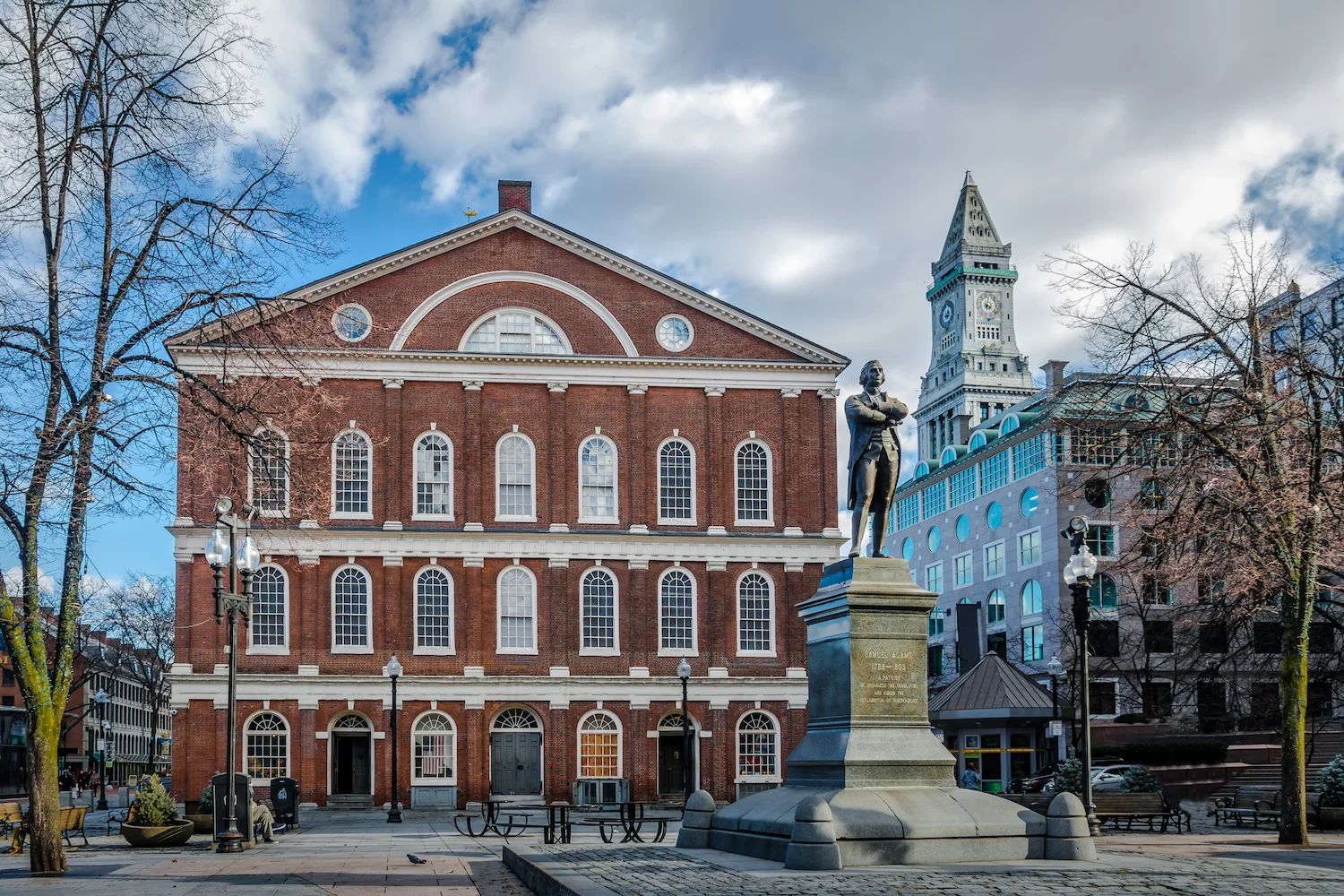
For historic commercial buildings throughout Massachusetts, Rhode Island, Connecticut, and New Hampshire, mortar is far more than the material holding bricks or stones together. It plays a critical role in managing moisture, accommodating movement, and protecting the surrounding masonry from premature deterioration.
Using the wrong mortar during historic masonry restoration can accelerate brick damage, contribute to moisture problems, compromise architectural details, and lead to costly repeat repairs.
For property managers, facility directors, commercial property owners, and building maintenance professionals, understanding mortar compatibility is essential to preserving a property’s structural integrity, historic character, and long-term value.
At ESI Waterproofing & Masonry Restoration Inc., protecting commercial building exteriors requires an understanding of how masonry materials interact with water, weather, and the building envelope. Selecting appropriate restoration methods is an important part of maintaining older buildings and avoiding preventable deterioration.
Whether you manage a historic brick commercial building in Boston, a former mill in Rhode Island, an institutional property in Connecticut, or a historic masonry structure in New Hampshire, the right restoration strategy can help extend the service life of the building while preserving its original character.
Why Mortar Selection Matters in Historic Masonry Restoration
Historic masonry buildings were often constructed using lime-based mortar or other formulations that differ from many modern mortar products. These traditional materials were designed to work with the brick or stone surrounding them.
In many historic walls, mortar is intended to be more replaceable than the masonry units themselves. It can accommodate certain movements and provide a pathway for moisture to escape without concentrating damaging moisture and salts within vulnerable bricks or stones.
When restoration contractors select mortar based only on strength, price, or availability, they may overlook the properties that allow the original wall to perform as intended.
The National Park Service’s Preservation Brief 2: Repointing Mortar Joints in Historic Masonry Buildings explains the importance of choosing appropriate mortar and using methods that protect historic masonry. ASTM International also publishes ASTM E2260-24a, Standard Guide for Repointing (Tuckpointing) Historic Masonry, which addresses evaluating existing masonry, selecting mortar, removing deteriorated joints, performing repointing, and inspecting completed work.
These resources reinforce a fundamental principle of historic restoration: the goal is not to install the strongest mortar available, but to select a compatible material that protects the existing masonry.
1. How the Wrong Mortar Can Damage Historic Brick and Stone
One of the most common historic masonry restoration mistakes is installing mortar that is substantially harder or less permeable than the original material.
Older bricks and stones may be relatively soft and porous. When an incompatible mortar is introduced, the wall’s ability to accommodate movement and manage moisture can change. The resulting stresses and moisture patterns may contribute to deterioration of the original masonry.
Potential consequences include:
- Brick spalling: The brick face flakes, cracks, or breaks away.
- Stone deterioration: Softer stone can erode around joints while harder mortar remains intact.
- Freeze-thaw damage: Moisture within masonry can freeze and expand, contributing to cracks and surface loss.
- Salt-related deterioration: Soluble salts can contribute to scaling and material loss as moisture moves through the wall.
- Recurring repair expenses: Original bricks or stones may need replacement when repointing alone would otherwise have been sufficient.
These symptoms can have multiple causes, so mortar incompatibility should not be assumed without an appropriate assessment.
For commercial property owners, the financial implications can be significant. Repairs that initially appear limited to mortar joints may develop into larger restoration projects involving brick replacement, scaffolding, interior repairs, and additional waterproofing work.
How Incompatible Mortar Affects Moisture Movement
Historic masonry walls must be evaluated as complete building-envelope systems rather than simply as individual bricks and joints.
When mortar restricts moisture movement or is incompatible with the surrounding masonry, water can remain in vulnerable areas or follow unexpected pathways. If soluble salts are present, moisture movement may also contribute to deposits and surface deterioration.
Warning signs can include:
- White mineral deposits on brick or stone.
- Flaking or crumbling masonry surfaces.
- Deteriorated mortar joints.
- Persistently damp exterior walls.
- Interior water staining near exterior masonry.
- Repeated deterioration after previous repairs.
These conditions can also result from roof leaks, failed flashing, deteriorated sealants, foundation moisture, or drainage deficiencies. Effective restoration requires identifying the underlying cause rather than treating every symptom as a mortar problem.
2. Why Modern Mortar Is Not Always Appropriate for Older Buildings
Modern mortar products are not inherently unsuitable for historic restoration. Problems arise when a product is selected without considering the existing masonry’s composition, condition, exposure, and original construction methods.
Portland cement-based mortars can be appropriate for many masonry applications. However, a high-cement, very hard mortar may be incompatible with historic brick or stone originally laid with softer, more permeable materials.
The National Park Service and ASTM International provide guidance that supports evaluating existing conditions and selecting materials appropriate for the specific repointing project.
Important mortar characteristics include:
| Mortar Characteristic | Why It Matters |
|---|---|
| Compressive strength | The mortar should be compatible with the strength and condition of the existing masonry units. |
| Permeability | Moisture movement should be managed without concentrating damaging moisture within vulnerable materials. |
| Movement characteristics | The repair should accommodate expected movement without placing unnecessary stress on historic masonry. |
| Composition | Lime, cement, aggregate, and other constituents should be selected based on the existing wall and project requirements. |
| Color and texture | Appropriate aggregate and mortar formulation help maintain the building’s architectural character. |
| Joint dimensions and profile | Compatible joint dimensions and tooling help preserve the historic appearance and intended performance of the masonry. |
Is Lime Mortar Always the Best Choice for Historic Buildings?
No. Lime-based mortar is frequently appropriate for older masonry, but the correct formulation depends on the individual building.
Historic structures may contain lime mortar, hydraulic lime, natural cement, Portland cement, or different materials introduced during previous repairs. Selecting a replacement solely because the building is old can be just as problematic as selecting a modern mortar without investigating the existing conditions.
A qualified restoration professional may recommend visual examination, representative mortar sampling, laboratory analysis, and trial mixes to determine an appropriate specification.
The objective is to match the replacement mortar to the masonry’s relevant physical and visual characteristics while accounting for the building’s exposure and repair requirements.
For property managers, the key takeaway is simple: mortar should be selected for compatibility with the existing masonry, not just for convenience or maximum strength.
3. How New England Weather Increases Masonry Deterioration Risks
Commercial properties throughout Massachusetts, Rhode Island, Connecticut, and New Hampshire experience seasonal conditions that can accelerate masonry deterioration when repairs are poorly specified.
Common environmental stresses include:
- Wind-driven rain entering open joints and cracks.
- Repeated freezing and thawing of moisture-saturated masonry.
- Snow and ice accumulating near parapets, cornices, and rooflines.
- Moisture-related movement of soluble salts through masonry.
- Seasonal temperature changes that cause building materials to expand and contract.
- Deteriorated flashing, failed sealants, and drainage deficiencies that permit water entry.
When incompatible mortar is combined with unresolved water intrusion, deterioration may extend beyond the mortar joints. Original brick faces can begin to break down, stone surfaces can erode, and interior finishes can develop moisture-related damage.
For commercial building owners, these conditions can mean additional maintenance demands, tenant complaints, unplanned capital expenditures, and disruption to normal building operations.
Why Moisture Management Must Accompany Masonry Restoration
Replacing deteriorated mortar without investigating water entry can leave the underlying problem unresolved.
A comprehensive restoration assessment may need to evaluate:
- Parapet caps and coping stones.
- Roof-to-wall transitions and flashing.
- Window and door perimeters.
- Masonry cracks and deteriorated mortar joints.
- Sealants and expansion joints.
- Foundation walls and below-grade waterproofing.
- Site drainage and water movement around the building.
ESI Waterproofing & Masonry Restoration Inc. provides masonry restoration, waterproofing, concrete restoration, and other exterior repair services relevant to commercial building maintenance. Coordinating appropriate repairs can help property owners address underlying building-envelope deficiencies instead of repeatedly treating isolated symptoms.
4. Warning Signs That Your Building May Have Incompatible Mortar
Property managers and facility directors do not need to identify the precise mortar formulation themselves to recognize when a professional assessment may be warranted.
Watch for the following conditions during routine exterior inspections.
1. Brick Faces Are Flaking or Breaking Away
Surface deterioration near relatively intact mortar joints can indicate a compatibility problem, although moisture exposure, salts, and other causes must also be investigated.
2. Mortar Remains Intact While Surrounding Brick or Stone Deteriorates
This can indicate that the mortar is too hard relative to the masonry units, particularly if the condition is widespread.
3. Repairs Repeatedly Fail in the Same Locations
Recurring deterioration may indicate incompatible materials, inadequate workmanship, unresolved water entry, or a combination of these conditions.
4. White Deposits Appear on Masonry Surfaces
Efflorescence can indicate moisture movement through masonry. However, it does not independently establish the source of water or the appropriate repair.
5. Cracks Develop Around Joints, Openings, or Masonry Transitions
Cracking can be associated with building movement, water intrusion, corrosion of embedded components, or other conditions that require investigation.
6. Interior Leaks Persist After Exterior Repairs
Water may be entering through adjacent building components or following concealed pathways through the building envelope.
For commercial owners, document the location, severity, and recurrence of these conditions. A professional assessment can help determine whether repointing, localized masonry replacement, waterproofing, flashing repairs, or a combination of measures is appropriate.
5. What Proper Historic Masonry Repointing Should Involve
Historic repointing is a specialized restoration process. Its purpose is to renew deteriorated mortar while preserving as much sound original masonry as possible.
ASTM International’s ASTM E2260-24a provides a recognized technical framework for developing project-specific repointing requirements. The National Park Service’s preservation guidance also emphasizes appropriate materials, careful mortar removal, and workmanship that protects historic masonry.
A well-planned project generally involves the following steps.
Step 1: Inspect the Masonry and Identify Deterioration
The assessment should document the condition of the brick or stone, mortar joints, previous repairs, and areas of moisture entry. Cracking, displacement, and other signs of structural distress may require evaluation by an appropriately qualified design professional.
Step 2: Evaluate the Existing Mortar
The contractor should assess the mortar’s composition and performance, joint dimensions, color, texture, and relative hardness. Where necessary, representative samples can be analyzed to help establish a compatible replacement specification.
Step 3: Develop a Compatible Repair Specification
The replacement mortar should be selected based on the existing masonry, exposure conditions, and project requirements. A trial area or sample panel can help establish the desired appearance, joint profile, and workmanship before larger-scale installation.
Step 4: Remove Deteriorated Mortar Carefully
Damaged mortar must be removed without unnecessarily chipping brick edges or damaging stone surfaces. Hand tools may be appropriate for delicate historic masonry, while mechanical methods require suitable controls and skilled execution.
Step 5: Install and Cure the Replacement Mortar Properly
Joint preparation, mortar placement, compaction, tooling, and curing all affect performance. Installation should follow the project specifications and applicable manufacturer requirements, including appropriate protection from unsuitable weather conditions.
Step 6: Address Related Water-Management Deficiencies
If the assessment identifies deteriorated flashing, failed sealants, defective coping, drainage problems, or waterproofing deficiencies, those conditions should be incorporated into a coordinated repair strategy.
Step 7: Document the Completed Work
Project records should identify repair locations, materials used, photographs where appropriate for project documentation, and any remaining deficiencies. Follow-up inspections help property managers monitor performance and plan future maintenance.
The best historic masonry restoration projects preserve sound original materials, correct the causes of deterioration, and use repair methods appropriate for the existing structure.
6. Massachusetts and New England Building Code Considerations
Historic masonry restoration projects must account for applicable building codes, local permit requirements, historic district regulations, and any preservation restrictions affecting the property.
Mortar compatibility is primarily a materials and preservation consideration, but the overall project may also involve existing-building regulations, structural safety, construction safeguards, and historic review requirements.
Property owners should consult the applicable state and local requirements before beginning work.
Historic Preservation Guidance and Technical Standards
In addition to state and local codes, two useful technical references are:
National Park Service — Preservation Brief 2: Repointing Mortar Joints in Historic Masonry Buildings
This preservation resource discusses mortar selection, repointing methods, and protecting historic masonry during repairs.
Read the National Park Service preservation brief.
ASTM International — ASTM E2260-24a: Standard Guide for Repointing (Tuckpointing) Historic Masonry
This technical guide addresses evaluation of existing masonry, determining which joints require repointing, mortar selection, removal methods, execution, and inspection.
Read the ASTM standard overview.
These references support informed project planning, but neither replaces project-specific design requirements or applicable building codes. The correct mortar and repair approach must be determined for the individual building.
7. Why Commercial Property Owners Should Avoid the Cheapest Repointing Solution
For commercial buildings, the initial cost of repointing is only one part of the financial decision.
A low-cost repair that uses incompatible mortar or fails to address water intrusion may result in additional expenses, including:
- Removal and replacement of failed mortar.
- Brick or stone replacement.
- Additional scaffolding and access equipment.
- Interior finish repairs associated with water infiltration.
- Disruption to tenants, customers, employees, or building operations.
- Expanded restoration work as deterioration progresses.
An appropriately specified repair can help preserve original materials and support more predictable maintenance planning.
When comparing contractor proposals, property managers should evaluate the proposed scope of investigation, mortar specification, joint preparation methods, protection of adjacent materials, moisture-management recommendations, and documentation—not just the price per square foot.
For larger buildings, phased restoration may also be worth considering. A condition assessment can help owners prioritize vulnerable elevations, parapets, window openings, and other areas where water entry or deteriorating masonry presents a significant concern.
8. How ESI Waterproofing & Masonry Restoration Inc. Can Help
Protecting a historic building requires a coordinated approach to masonry, moisture, and exterior building maintenance.
ESI Waterproofing & Masonry Restoration Inc. specializes in masonry restoration, concrete restoration, waterproofing, historic restoration, EIFS repair, stucco repair, and PVC and clapboard siding replacement.
For commercial property owners and facility management teams throughout Massachusetts, Rhode Island, Connecticut, and New Hampshire, ESI’s service capabilities include:
Historic Masonry Restoration
Addressing deteriorated masonry and mortar joints while prioritizing compatibility with existing materials and preservation of architectural details.
Waterproofing and Moisture Management
Addressing building-envelope conditions that can contribute to water intrusion and recurring masonry deterioration.
Concrete Restoration
Repairing deteriorated concrete elements as part of broader building maintenance and restoration programs.
EIFS and Stucco Repair
Addressing deterioration in exterior wall systems where cracking, moisture entry, or other damage may affect performance.
PVC and Clapboard Siding Replacement
Supporting exterior envelope maintenance through appropriate siding replacement and related repairs.
The appropriate scope depends on the property’s condition and the services required. Historic masonry may require specialized mortar analysis, preservation specifications, or consultation with a preservation architect or engineer before construction begins.
To learn more about ESI’s capabilities, visit ESI Waterproofing & Masonry Restoration Inc.
9. Protect Your Historic Building Before Minor Damage Becomes a Major Expense
Historic masonry restoration is an investment in the longevity, safety, and architectural character of a commercial property.
The wrong mortar can cause more harm than good. Excessively hard or incompatible materials may contribute to deterioration, while repairs that overlook moisture intrusion can allow the underlying problem to continue.
By evaluating the existing masonry, selecting compatible materials, following appropriate preservation guidance, and correcting related building-envelope deficiencies, property owners can make better-informed decisions about long-term maintenance.
For property managers, facility directors, and commercial building owners throughout New England, addressing deteriorating mortar before damage spreads can help reduce the risk of more extensive repairs.
Planning a Historic Masonry Restoration Project?
Contact ESI Waterproofing & Masonry Restoration Inc. to discuss your commercial property’s masonry restoration, waterproofing, concrete restoration, or exterior repair needs.
Disclaimer: This article is provided for general informational and educational purposes only and is not a substitute for a project-specific inspection, professional advice, or applicable building codes and regulations. Building conditions, materials, and requirements vary by property and jurisdiction. Recommendations should be evaluated by qualified professionals based on the specific project. External resources are provided for informational purposes only; their inclusion does not imply endorsement of ESI Waterproofing & Masonry Restoration Inc. by the referenced organizations.