
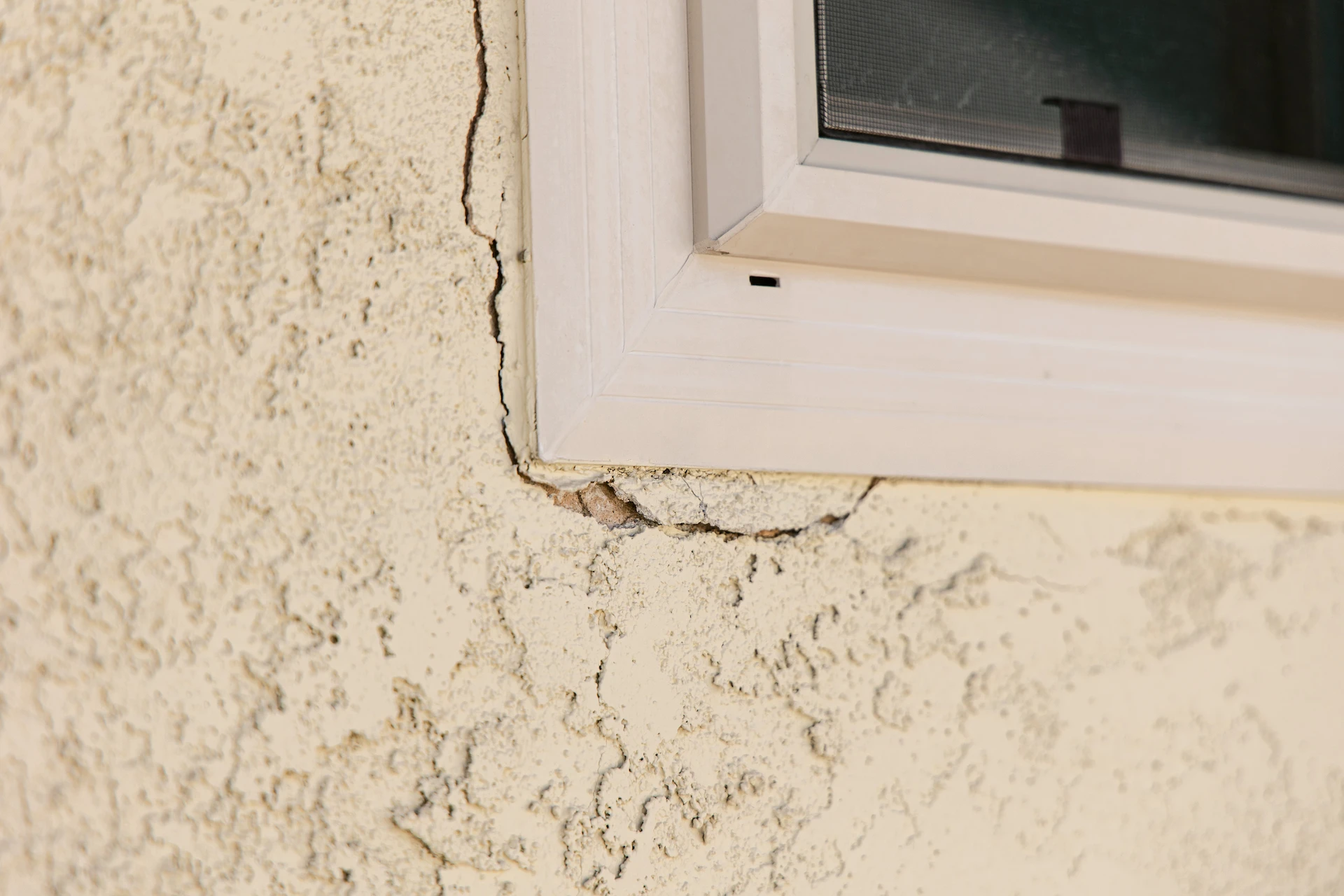
Stucco is a durable, attractive exterior finish used on commercial buildings, multifamily properties, institutional facilities, and architectural structures throughout Massachusetts, Rhode Island, Connecticut, and New Hampshire. However, even a well-installed stucco system can develop cracks, water infiltration, and premature deterioration when movement joints and sealants are improperly designed, installed, or maintained.
For property managers, facility directors, and commercial building owners, understanding the role of stucco sealants and expansion joints is essential to protecting the building envelope, minimizing costly repairs, and preserving the long-term performance of the property.
At ESI Waterproofing & Masonry Restoration, Inc., we help commercial property stakeholders address the causes of exterior deterioration through professional waterproofing, stucco repair, masonry restoration, and building-envelope maintenance. Our work supports the protection and longevity of commercial properties across New England.
What Are Sealants and Expansion Joints in Stucco Systems?
Stucco is a cement-based exterior cladding that can be vulnerable to movement caused by temperature fluctuations, moisture changes, building settlement, structural deflection, and material shrinkage. Because stucco is relatively rigid, it needs properly designed joints and compatible materials to accommodate movement.
Two important components of a properly detailed stucco system are sealants and expansion or movement joints.
What Are Stucco Sealants?
Sealants are flexible materials installed at joints, transitions, penetrations, and interfaces between building components. They help prevent water and air from entering vulnerable areas while allowing limited movement between adjoining materials.
Common sealant locations include:
- Window and door perimeters.
- Joints between stucco and masonry.
- Interfaces between stucco and concrete.
- Transitions between stucco and metal, PVC, or clapboard siding.
- Control and expansion joint accessories.
- Building penetrations and other vulnerable envelope transitions.
The correct sealant must be compatible with the surrounding materials and suitable for the expected movement, weather exposure, and service conditions.
What Are Expansion and Movement Joints?
Expansion joints are intentionally designed gaps or joint assemblies that accommodate movement within a building or its exterior cladding system. In stucco construction, movement joints help prevent stresses from concentrating in the plaster and producing uncontrolled cracking.
It is important to distinguish between different joint types:
- Expansion joints: Accommodate movement between building components or structural areas that may move independently.
- Control joints: Help manage cracking associated with stucco shrinkage and curing by directing movement toward a planned location.
- Isolation joints: Separate dissimilar materials or components to accommodate differential movement.
The location, spacing, and design of these joints depend on the stucco assembly, substrate, building geometry, structural movement, and applicable construction standards. A qualified designer should determine the appropriate joint configuration for the specific project.
Why Sealants Matter for Commercial Stucco Buildings
1. Sealants Help Prevent Water Infiltration
New England buildings experience substantial weather exposure, including heavy rain, wind-driven moisture, snow, ice, and freeze-thaw conditions. Weak or deteriorated sealant joints can allow water to enter behind stucco and into the building envelope.
Water infiltration may contribute to:
- Wet insulation and reduced thermal performance.
- Deterioration of sheathing and framing.
- Corrosion of metal components.
- Damage to interior finishes.
- Mold and moisture-related building concerns.
- Deterioration of adjacent masonry and concrete.
A sealant bead is only one part of a weather-resistant wall assembly. Proper flashing, drainage, water-resistive barriers, joint design, and substrate conditions must also be addressed.
ESI Waterproofing & Masonry Restoration, Inc. can evaluate vulnerable stucco transitions and help identify areas where deteriorated sealants or related waterproofing deficiencies may be contributing to moisture problems.
2. Sealants Accommodate Movement Between Materials
Commercial buildings are constructed with multiple materials that respond differently to temperature and moisture. Stucco, concrete, masonry, metal, glass, and siding can expand, contract, or shift at different rates.
A rigid connection between dissimilar materials can place stress on the stucco finish and cause cracking or sealant failure.
A properly selected and installed elastomeric sealant can accommodate expected joint movement while maintaining a weather-resistant connection. However, sealants are not designed to compensate for every type of structural movement or correct an improperly designed joint.
3. Sealants Protect Vulnerable Building Transitions
Windows, doors, parapets, wall penetrations, and cladding transitions are common areas of concern in building-envelope maintenance.
When sealants deteriorate, shrink, lose adhesion, or separate from the substrate, water can bypass the exterior finish. Even a small opening can become a recurring source of leaks, particularly when exposed to wind-driven rain.
Routine inspection of these locations can help property managers identify developing problems before they result in extensive interior or structural damage.
4. Proper Sealant Installation Extends Repair Performance
The longevity of a sealant joint depends on more than the product itself. Important installation considerations include:
- Thorough cleaning and preparation of the substrate.
- Compatibility testing where necessary.
- Proper joint dimensions.
- Appropriate backer rod or bond-breaker installation.
- Correct sealant tooling and adhesion.
- Suitable weather conditions during installation.
- Following the sealant manufacturer’s application requirements.
Sealants should generally adhere to the two intended joint faces rather than bond to three sides. This allows the joint to deform more effectively as movement occurs.
A deteriorated joint should not simply be covered with a new layer of caulk. The existing condition, adhesion, joint geometry, and surrounding stucco must be evaluated to determine the appropriate repair approach.
Why Expansion Joints Matter in Stucco Systems
1. Expansion Joints Help Reduce Uncontrolled Cracking
Stucco is vulnerable to cracking when movement exceeds the capacity of the cladding system. Expansion and other movement joints provide planned locations for accommodating movement and reducing stress concentrations.
Without appropriately designed movement joints, a stucco assembly may experience:
- Random cracking across wall surfaces.
- Cracking at changes in building geometry.
- Separation around openings.
- Damage at transitions between structural components.
- Repeated cracking after cosmetic repairs.
Movement joints do not eliminate all stucco cracking. Instead, they help manage specific sources of movement when correctly designed and installed.
2. They Accommodate Thermal Movement and Building Movement
New England experiences significant seasonal temperature variation. Exterior materials may expand during hot summer conditions and contract during cold winter weather.
Commercial structures may also experience movement from wind, live loads, structural deflection, settlement, and changes in the underlying substrate.
Movement joints help accommodate anticipated movement in the stucco cladding. Their configuration must reflect the building’s construction and the movement characteristics of the complete wall assembly.
3. They Help Protect the Building Envelope
A crack or failed joint can become a pathway for moisture. Once water moves behind stucco, it may affect concealed components that are difficult and expensive to access.
Properly detailed movement joints work with the wall’s water-resistive barrier, flashing, drainage provisions, and sealants to support weather resistance.
A joint that is visible from the exterior should not be evaluated in isolation. The condition of the underlying wall assembly is often critical to determining whether a repair will be effective.
4. They Support Long-Term Stucco Maintenance
Commercial property owners benefit from planned building-envelope maintenance rather than waiting for visible damage to become severe.
A proactive maintenance program may include:
- Periodic stucco and sealant inspections.
- Review of cracks, joint separations, and staining.
- Inspection of window and door transitions.
- Monitoring of recurring moisture intrusion.
- Evaluation of movement joint accessories.
- Timely repair of failed sealants and damaged stucco.
- Documentation of repair locations and observed conditions.
Early intervention can help limit the spread of damage and improve the predictability of future maintenance budgets.
Common Signs of Stucco Sealant and Expansion Joint Failure
Property managers and facility directors should pay attention to the following warning signs:
Failed or Deteriorated Sealants
- Cracked, split, or hardened sealant.
- Gaps between sealant and stucco.
- Shrinkage or loss of joint coverage.
- Bubbling, peeling, or visible loss of adhesion.
- Water staining near windows or wall transitions.
Damaged Movement Joints
- Cracks running through or beside joint accessories.
- Displaced, damaged, or corroded joint components.
- Joint gaps that appear improperly filled or blocked.
- Repeated cracking in the same location after prior repairs.
- Separation between stucco and adjacent cladding.
Moisture-Related Indicators
- Interior water stains near exterior walls.
- Damp insulation or concealed moisture concerns.
- Efflorescence on nearby masonry.
- Deteriorated sheathing or framing discovered during investigation.
- Persistent leaks following rain or snow events.
These signs do not always identify the underlying cause. A qualified building-envelope professional should investigate the complete assembly before a repair strategy is selected.
New England Weather Makes Stucco Maintenance Especially Important
Commercial properties in Massachusetts, Rhode Island, Connecticut, and New Hampshire face demanding exterior conditions.
Freeze-Thaw Cycles
When water enters cracks, joints, or porous materials and subsequently freezes, it can expand and create additional stress. Repeated freeze-thaw cycles may worsen existing deterioration in stucco, concrete, masonry, and surrounding components.
Wind-Driven Rain
Coastal and inland New England buildings can experience strong winds and heavy precipitation. Sealant failures around openings and cladding transitions can increase the risk of water infiltration.
Seasonal Temperature Changes
Summer heat and winter cold cause exterior materials to expand and contract. These repeated changes make correctly designed and maintained movement joints essential to long-term stucco performance.
Snow, Ice, and Moisture Exposure
Roof edges, parapets, balconies, window transitions, and other exposed details may experience prolonged moisture exposure. Deteriorated sealants in these areas can contribute to broader building-envelope problems.
For commercial owners, addressing small joint failures before winter weather arrives may help reduce emergency maintenance calls and avoid unnecessary disruption to tenants or facility operations.
Massachusetts and New England Building Code Considerations
Stucco repairs, sealant replacement, and movement-joint work should be evaluated against the applicable building code, adopted standards, project specifications, and manufacturer requirements.
Massachusetts: 780 CMR
Massachusetts’ State Building Code, 780 CMR, incorporates the 2021 International Building Code framework with Massachusetts-specific amendments. The Tenth Edition is the current state building code framework for commercial and other buildings within its scope.
Relevant code areas may include:
- 780 CMR Chapter 14 — Exterior Walls: Exterior wall requirements and related weather-resistance provisions.
- 780 CMR Chapter 21 — Masonry: Masonry-related requirements and referenced standards where applicable.
- 780 CMR Chapter 7 — Fire and Smoke Protection Features: Relevant where wall assemblies, penetrations, or rated construction are involved.
- 780 CMR Chapter 13 — Energy Efficiency: Applicable building-envelope and air-sealing provisions for commercial projects, depending on the adopted energy-code pathway.
The specific requirements depend on the building type, scope of work, applicable edition, and whether the work is classified as repair, alteration, or new construction.
Referenced Stucco and Sealant Standards
Project specifications may reference industry standards such as:
- ASTM C926: Application of Portland cement-based plaster.
- ASTM C1063: Installation of lathing and furring for Portland cement-based plaster.
- ASTM C1861: Installation of lathing and furring accessories for cement plaster and stucco.
- ASTM C920: Elastomeric joint sealants, including relevant performance classifications.
These standards address different aspects of stucco application, accessories, jointing, and sealant performance. The appropriate standard depends on the assembly and the work being performed.
Rhode Island, Connecticut, and New Hampshire
Each state has its own adopted building code and amendments. Commercial stucco repair projects should be reviewed under the code requirements applicable to the project’s location and construction scope.
For projects in Massachusetts, Rhode Island, Connecticut, and New Hampshire, property owners should coordinate with the design professional, building official, and qualified contractor when permits, engineered details, or code-specific repairs are required.
Important: Building codes and referenced standards do not replace project-specific design. Joint spacing, joint dimensions, sealant selection, and repair details should be determined based on the actual stucco assembly and applicable requirements.
How ESI Waterproofing & Masonry Restoration, Inc. Can Help
At ESI Waterproofing & Masonry Restoration, Inc., we provide specialized exterior restoration and waterproofing services for commercial properties throughout Massachusetts, Rhode Island, Connecticut, and New Hampshire.
Our experience in masonry restoration and building-envelope work supports property owners and facility professionals who need practical solutions for deteriorated exterior systems.
Our related services include:
Stucco Repair
Repairing damaged stucco, addressing localized deterioration, and restoring exterior finishes where appropriate. Repairs should be selected based on the cause and extent of damage.
Waterproofing
Identifying and addressing vulnerable building-envelope conditions that may contribute to water infiltration, including transitions, joints, and other exposed areas.
Masonry Restoration
Restoring deteriorated brick, mortar joints, concrete masonry, and related exterior components that may interact with stucco systems.
Concrete Restoration
Repairing deteriorated concrete components, including areas where cracking, moisture exposure, or material transitions affect the exterior envelope.
EIFS Repair
Addressing deterioration and repair needs associated with Exterior Insulation and Finish Systems, with attention to system-specific details and moisture management.
Historical Restoration
Supporting the careful restoration of historic and architecturally significant buildings while considering existing materials, appearance, and preservation requirements.
PVC and Clapboard Siding Replacement
Replacing deteriorated siding and addressing transitions between siding and other exterior wall materials, including stucco and masonry.
Our team understands that every commercial building is different. We work with property managers, facility directors, owners, and project stakeholders to help identify restoration needs and determine appropriate next steps.
When Should Commercial Property Owners Schedule a Stucco Inspection?
A stucco and building-envelope inspection may be appropriate when:
- Sealants are visibly cracked, separated, or deteriorated.
- Stucco cracking is recurring or spreading.
- Water intrusion has been reported near exterior walls.
- The building has experienced recent storm or winter damage.
- A property is approaching a planned capital improvement cycle.
- Exterior repairs are being coordinated with window, siding, or masonry work.
- A commercial building is being prepared for sale, refinancing, or major renovation.
Addressing joint and sealant deficiencies as part of a broader maintenance plan may help property owners reduce the risk of larger, more disruptive repairs.
Protect Your Commercial Building Before Small Defects Become Major Problems
Sealants and expansion joints are critical components of a properly functioning stucco and building-envelope system. They help manage movement, protect vulnerable transitions, and reduce the risk of moisture infiltration when correctly designed, installed, and maintained.
For commercial properties across Massachusetts, Rhode Island, Connecticut, and New Hampshire, proactive stucco maintenance is especially important given the region’s seasonal temperature changes, wind-driven rain, snow, and freeze-thaw conditions.
If your building has deteriorated sealants, recurring stucco cracks, or suspected water infiltration, ESI Waterproofing & Masonry Restoration, Inc. can help you evaluate the condition and explore appropriate restoration and waterproofing solutions.
Contact ESI Waterproofing & Masonry Restoration, Inc. to discuss your commercial stucco repair, waterproofing, masonry restoration, or building-envelope maintenance needs.
Avoid costly surprises. Protect your building. Control your capital expenses.
Contact ESI Waterproofing & Masonry Restoration Inc. to develop a preventive repair strategy tailored to your property.