
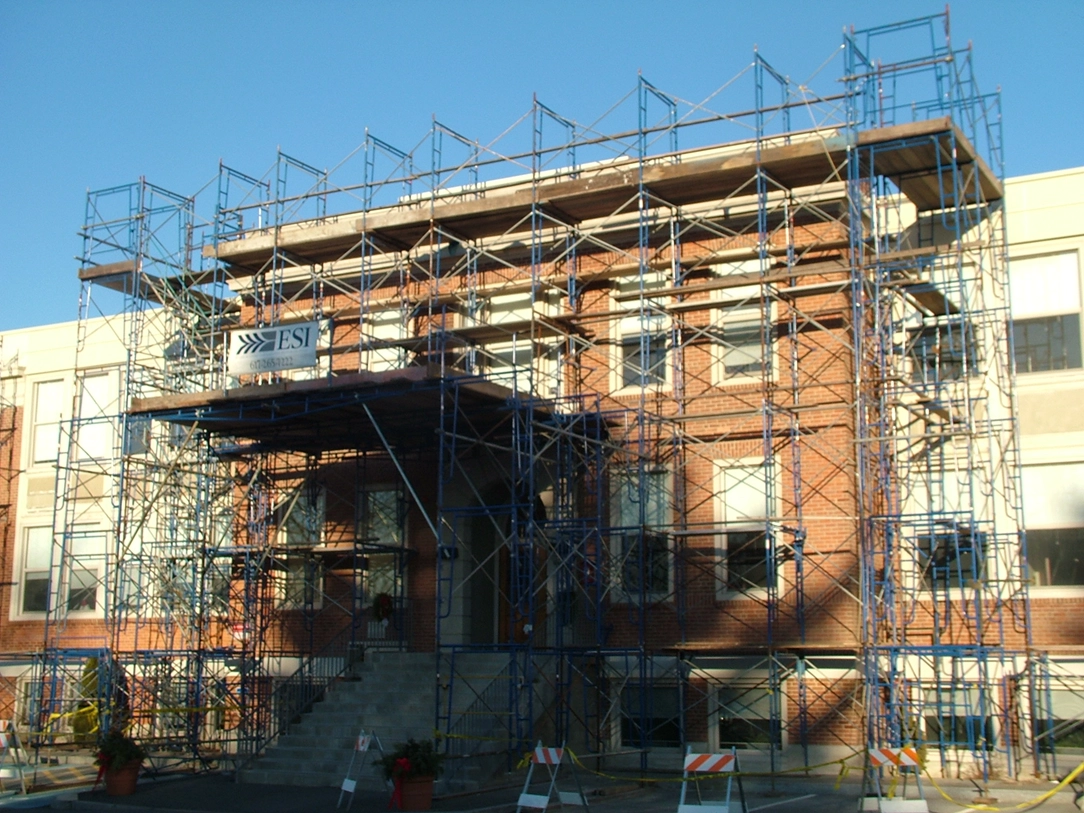
Millis Town Hall, Millis MA
As a commercial property manager or owner in Massachusetts, your investments in real estate require careful maintenance to ensure long-term profitability. One of the most effective ways to protect your building—and maximize return on investment (ROI)—is through professional masonry restoration and waterproofing.
Why Invest in Masonry Restoration?
Over time, commercial buildings face natural wear and tear from weather, moisture, and everyday use. Cracked or deteriorating brick, mortar, and stone not only affect the appearance of your property but can also compromise structural integrity. Professional masonry restoration:
- Extends the life of your building: By repairing cracks, repointing mortar, and replacing damaged masonry, you prevent small issues from becoming costly structural problems.
- Reduces ongoing maintenance costs: Regular restoration reduces emergency repairs and prevents the need for full-scale rebuilding.
- Enhances property value: Well-maintained masonry improves curb appeal, making your property more attractive to tenants and buyers.
The Importance of Professional Waterproofing
Water intrusion is a leading cause of damage in Massachusetts’ climate, where freeze-thaw cycles, coastal humidity, and heavy rainfall are common. Professional waterproofing solutions protect your building from:
- Basement flooding and foundation damage
- Mold growth and interior water damage
- Deterioration of exterior walls and structural components
By investing in comprehensive waterproofing, you prevent expensive repairs, protect tenants, and maintain the long-term value of your commercial property.
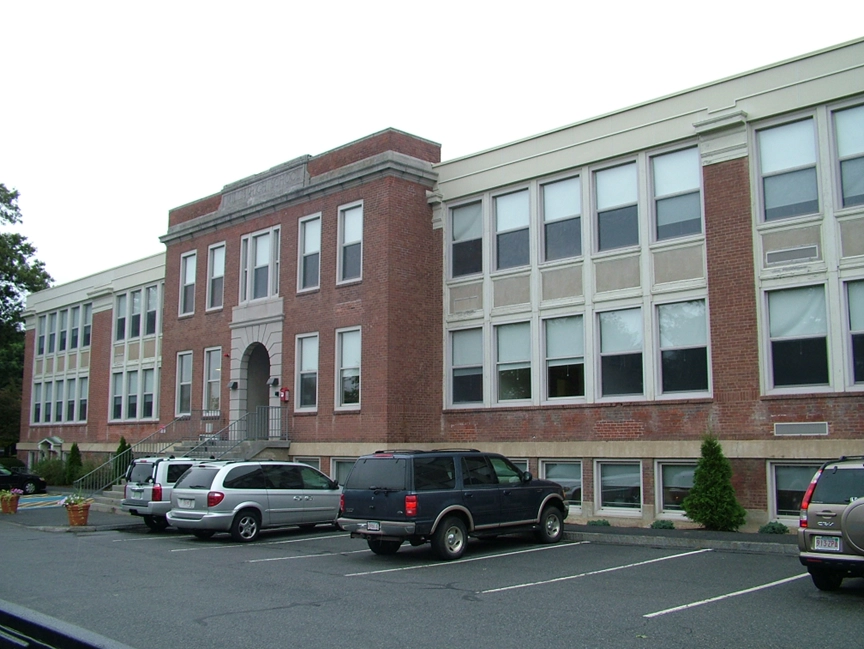
Millis Town Hall, Millis MA / Final Construction Phase
Calculating ROI
Property managers often view restoration and waterproofing as costs, but the reality is that they are strategic investments. Here’s how they generate measurable ROI:
- Reduced repair expenses: Preventative restoration stops minor issues from becoming major, costly projects.
- Increased property value: A well-maintained, protected building attracts higher rents and retains tenants longer.
- Energy efficiency: Restored masonry walls and waterproofing solutions help insulate buildings, lowering heating and cooling costs.
- Minimized downtime: Avoiding emergency repairs means your property remains fully operational and revenue-generating.
A proactive approach to masonry restoration and waterproofing often pays for itself in just a few years, especially when considering the avoided costs of structural damage, legal liabilities, and lost rental income.
Conclusion
For Massachusetts commercial property managers and owners, professional masonry restoration and waterproofing are more than maintenance—they are strategic investments that protect your building, reduce long-term costs, and maximize ROI. By addressing small issues early, you safeguard your property’s value and ensure it continues generating revenue for years to come.
Avoid costly surprises. Protect your building. Control your capital expenses.
Contact ESI Waterproofing & Masonry Restoration Inc. to develop a preventive repair strategy tailored to your property.