For commercial property managers and owners in Massachusetts, water damage is more than just a maintenance headache—it can have a direct impact on lease agreements, tenant satisfaction, and long-term profitability. From compromised building integrity to unhappy tenants, the consequences of water intrusion can ripple across your property portfolio.
Water Damage: A Silent Lease-Breaker
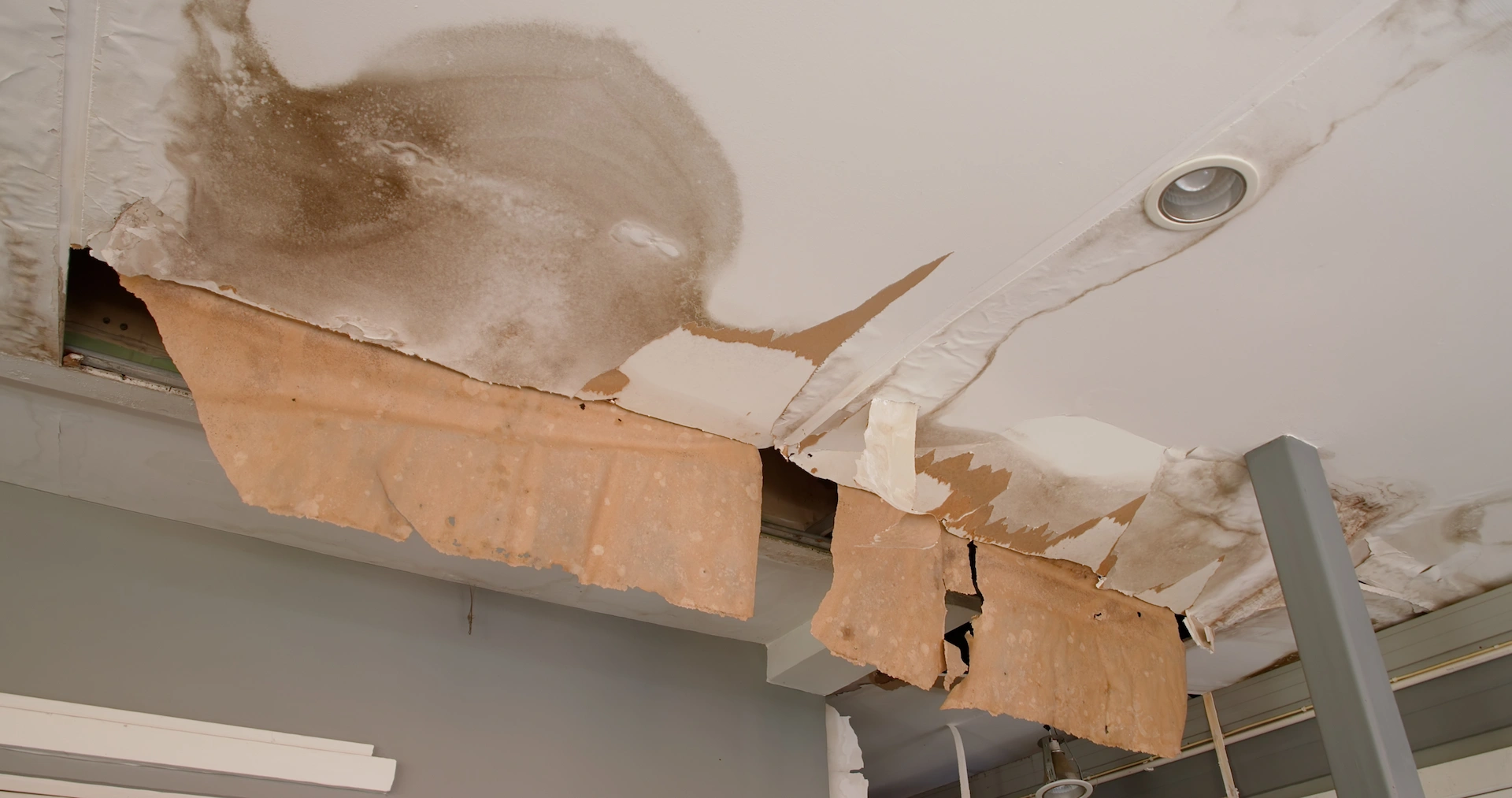
Even minor leaks or moisture issues can escalate into major problems if left unaddressed. Water damage can cause:
- Structural deterioration: Masonry, concrete, and brickwork can weaken over time, threatening the safety and stability of your property.
- Mold and mildew growth: Persistent dampness creates an unhealthy environment, potentially violating health codes and lease clauses.
- Decreased property value: Visible water damage or damp smells can turn prospective tenants away.
For tenants, water damage isn’t just inconvenient—it’s a reason to reconsider their lease. Commercial tenants expect a safe, well-maintained property. When water issues go unresolved, it can lead to early lease terminations, strained relationships, and higher vacancy rates.
How Water Damage Affects Lease Agreements
Water-related problems often trigger clauses in commercial leases that deal with maintenance, repairs, and habitability:
- Repair obligations: Most leases place the responsibility for structural and exterior repairs on the property owner. Failure to act promptly can result in legal disputes.
- Rent abatement: Tenants may negotiate rent reductions if water damage interferes with their business operations.
- Early termination: Chronic or severe water issues can give tenants grounds to terminate their lease without penalties.
Ignoring these risks can result in financial loss and long-term reputational damage.
Protecting Your Property and Tenants
Proactive maintenance is the most effective way to safeguard lease agreements and tenant retention. Investing in waterproofing and masonry restoration provides multiple benefits:
- Prevent structural damage: Seal foundations, walls, and roofs to stop water infiltration before it causes costly repairs.
- Maintain a safe, habitable environment: Proper waterproofing prevents mold, mildew, and indoor air quality issues.
- Protect your lease revenue: Tenants are more likely to renew when they feel their space is secure and well-maintained.
- Preserve property value: Restored masonry and waterproofed structures maintain the aesthetic and structural integrity of your building.
Why Massachusetts Property Managers Should Act Now
Massachusetts’ climate—with its mix of heavy rain, snow, and freeze-thaw cycles—makes commercial buildings especially vulnerable to water damage. Proactive maintenance isn’t just a good business practice; it’s a necessity to protect your tenants, comply with lease obligations, and secure long-term revenue.
Partnering with a professional masonry restoration and waterproofing service ensures your properties are resilient against water intrusion, reducing repair costs and keeping tenants happy. After all, a dry, well-maintained property is a profitable property.
Avoid costly surprises. Protect your building. Control your capital expenses.
Contact ESI Waterproofing & Masonry Restoration Inc. to develop a preventive repair strategy tailored to your property.