
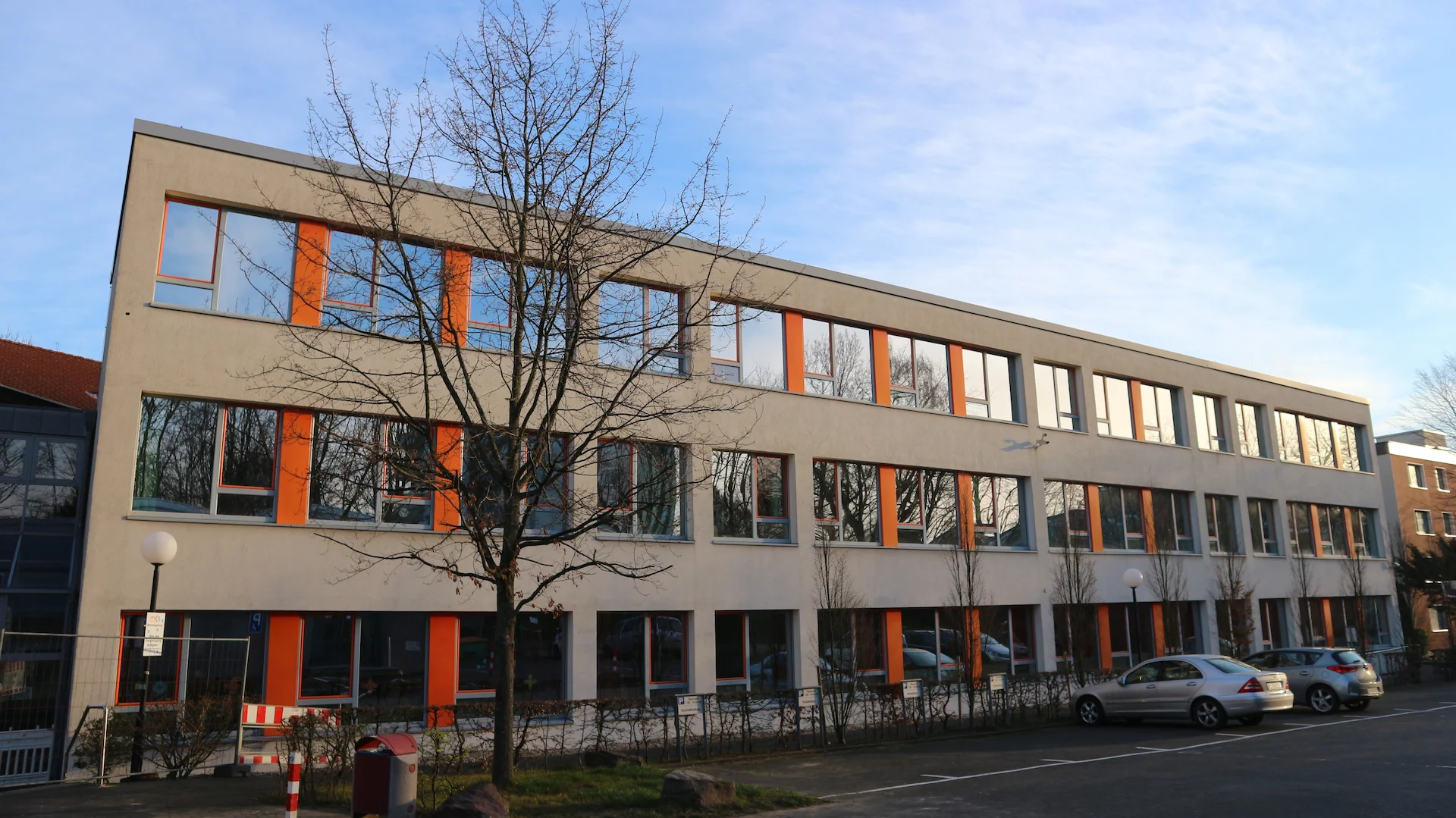
Commercial buildings across Massachusetts, Rhode Island, Connecticut, and New Hampshire face challenging weather conditions, from wind-driven rain and coastal moisture to freezing temperatures, snow, and repeated freeze-thaw cycles. Over time, these environmental conditions can contribute to water infiltration, deteriorating exterior finishes, damaged wall assemblies, and costly repairs.
For property managers, facility directors, and commercial building owners, selecting the right exterior wall system is an important investment in long-term building performance. Modern drainable Exterior Insulation and Finish Systems (EIFS) offer a solution that combines continuous exterior insulation, an attractive architectural finish, and a designed drainage pathway to help manage moisture behind the exterior surface.
At ESI Waterproofing & Masonry Restoration Inc., we specialize in waterproofing, masonry restoration, concrete restoration, historical restoration, EIFS repair, stucco repair, and exterior siding replacement. Our team helps commercial property owners throughout New England address building envelope concerns and protect their properties from water intrusion and weather-related deterioration.
What Is a Modern Drainable EIFS System?
Exterior Insulation and Finish Systems (EIFS) are multi-layer exterior wall systems designed to provide insulation and a decorative, protective finish. A modern drainable EIFS assembly incorporates a water-resistive barrier and a drainage mechanism behind the exterior insulation and finish components, allowing incidental moisture that enters the assembly to drain toward the exterior.
Unlike a traditional face-sealed approach that relies heavily on the exterior surface and joints to prevent water entry, a properly designed drainable EIFS assembly provides an additional moisture-management strategy.
A typical system may include:
- Water-resistive barrier: Helps protect the underlying wall assembly from moisture.
- Drainage plane or drainage medium: Creates a pathway for water to move downward and exit the wall.
- Exterior insulation: Improves thermal performance when properly designed and installed.
- Reinforcing mesh and base coat: Help provide impact resistance and support the finish layer.
- Finish coat: Delivers the desired architectural appearance and exterior protection.
- Flashing and drainage terminations: Help direct water away from vulnerable openings, transitions, and wall interfaces.
The exact components and installation requirements depend on the selected manufacturer’s approved system, the building’s construction, and applicable codes.
7 Benefits of Installing Drainable EIFS on Commercial Buildings
1. Improved Moisture Management and Water Intrusion Protection
Moisture intrusion is a major concern for commercial buildings throughout New England. Rainwater can enter exterior wall assemblies through deteriorated sealants, window perimeters, roof-to-wall transitions, penetrations, and improperly detailed flashing.
A modern drainable EIFS system is designed to manage incidental water that passes behind the exterior finish. When the water-resistive barrier, drainage pathway, flashing, and exit points are correctly integrated, the assembly can help reduce the risk of prolonged moisture accumulation within the wall.
For property managers, this can mean a better opportunity to protect interior finishes, wall sheathing, and other moisture-sensitive components.
ESI’s approach: Our waterproofing and exterior restoration services can help identify potential water entry points, investigate visible exterior deterioration, and address related building envelope deficiencies. For existing EIFS installations, the appropriate repair depends on the source of the moisture and the condition of the underlying assembly.
2. Enhanced Energy Efficiency and Thermal Performance
Heating costs are a significant operating expense for many commercial properties in Massachusetts, Rhode Island, Connecticut, and New Hampshire. Because EIFS can incorporate continuous exterior insulation, a properly designed system can improve the thermal performance of the building envelope.
Continuous insulation may help reduce thermal bridging through framing and other wall components. Depending on the existing construction, insulation levels, air leakage, and overall building design, this may contribute to more consistent interior temperatures and reduced heating and cooling demand.
For commercial property owners, the potential benefits include:
- Improved thermal comfort for occupants and tenants.
- Reduced heat loss through portions of the exterior wall.
- Better opportunities to meet applicable energy-code requirements.
- Potential reductions in energy use when the overall building envelope is properly designed.
Actual energy savings vary by building and should be evaluated as part of a comprehensive building-envelope assessment.
3. Greater Durability in New England’s Climate
Commercial exteriors in New England must withstand changing temperatures, heavy rainfall, snow accumulation, wind exposure, and recurring freeze-thaw conditions. Moisture trapped in vulnerable wall materials can contribute to deterioration, particularly where water entry and inadequate drainage occur.
Drainable EIFS systems provide a means of managing incidental moisture behind the finish, while properly selected materials and installation details help the assembly withstand environmental exposure.
Durability also depends on routine inspections, sound sealant joints, functional flashing, appropriate drainage terminations, and timely repairs.
ESI helps commercial property owners address deteriorated EIFS finishes, failing sealants, masonry defects, and related exterior conditions before localized problems develop into more extensive restoration projects.
4. Reduced Risk of Costly Building Envelope Repairs
Unresolved water intrusion can contribute to damaged sheathing, deterioration of supporting materials, interior finish damage, and potential mold growth when moisture conditions permit. Repairs may become more extensive when the underlying source of water entry remains unaddressed.
A properly detailed drainable EIFS system provides an additional layer of moisture management that can help reduce these risks. However, it is not a substitute for correct installation, maintenance, or investigation of existing damage.
For property managers responsible for maintenance budgets, proactive exterior inspections and targeted repairs can help prioritize spending and reduce the likelihood of avoidable emergency work.
A practical recommendation: If your commercial property has bubbling or cracked EIFS finishes, recurring interior leaks, soft wall areas, staining, or deteriorated sealant joints, arrange an evaluation to determine whether the issue is cosmetic or related to moisture behind the finish.
5. Flexible Architectural Design and Improved Curb Appeal
Commercial buildings need exterior finishes that complement their architecture and support the property’s long-term value. EIFS systems are available in a range of colors, textures, profiles, and architectural details.
Depending on the selected system, design options can include smooth finishes, textured finishes, decorative bands, cornices, and other architectural features.
These options can help property owners modernize an aging exterior, refresh a commercial façade, or maintain a consistent appearance across a multi-building property.
For existing properties with EIFS or stucco deterioration, ESI can assess repair and restoration needs and help determine the appropriate scope of work for the building’s existing exterior materials.
6. Potentially Lower Long-Term Maintenance Demands
A well-designed and correctly installed drainable EIFS system can help manage moisture while providing a finished exterior surface. However, no exterior cladding system is maintenance-free.
Commercial building owners should plan for periodic inspections of sealants, window and door perimeters, flashing, drainage outlets, roof-to-wall transitions, and areas where different materials meet.
Identifying small defects early can help limit the extent of future repairs. Maintenance requirements will vary according to exposure, building design, installation quality, and the manufacturer’s recommendations.
ESI provides exterior restoration and waterproofing services to help property managers address deteriorating building components and maintain the integrity of their building envelopes.
7. Support for Long-Term Property Value and Asset Protection
A commercial property’s exterior is an important part of its overall condition, appearance, and operating performance. Moisture-related deterioration can affect tenant satisfaction, maintenance costs, and future capital planning.
Investing in an appropriate exterior wall system, maintaining the building envelope, and repairing defects promptly can support long-term asset management.
For owners of office buildings, retail centers, apartment complexes, institutional properties, and other commercial facilities, drainable EIFS may be worth considering during a façade renovation or building-envelope improvement project.
The best solution depends on the building’s existing wall assembly, moisture history, insulation requirements, fire-safety considerations, and restoration objectives.
Drainable EIFS and Massachusetts Building Code Considerations
When planning an EIFS installation or major exterior renovation, commercial property owners should verify the applicable building-code requirements, permit obligations, energy provisions, and manufacturer’s installation specifications.
Massachusetts’ current state building code is the Tenth Edition of 780 CMR, based on the 2021 International Codes with Massachusetts-specific amendments. The Tenth Edition became the sole applicable edition following the end of the transition period on June 30, 2025.
Several provisions are particularly relevant to EIFS and commercial exterior wall projects:
- 780 CMR Chapter 14 — Exterior Walls: Addresses weather protection, exterior wall coverings, flashing, and related requirements.
- 780 CMR Section 1402.2 — Weather Protection: Addresses the need for a weather-resistant exterior wall envelope and moisture drainage, subject to the code’s stated exceptions.
- 780 CMR Section 1407 — Exterior Insulation and Finish Systems: Establishes requirements for EIFS materials, performance, weather resistance, and installation.
- Section 1407.4.1 — EIFS with Drainage: Specifies drainage performance requirements, including an average minimum drainage efficiency of 90% under ASTM E2273 testing, and identifies occupancy and construction conditions where drainable EIFS is required.
- Section 1407.5 — Installation: Requires EIFS installation in accordance with the manufacturer’s instructions.
- Section 1407.6 — Special Inspections: Refers to applicable special-inspection provisions.
These requirements should be reviewed against the actual building type, construction classification, occupancy, project scope, and applicable Massachusetts amendments. The code includes specific exceptions, so requirements should not be generalized to every building.
Commercial projects should also account for applicable energy-code provisions, including the Massachusetts commercial energy code and any municipal Stretch or Specialized Code requirements.
EIFS and Exterior Restoration Considerations Across New England
While Massachusetts provides a useful regulatory reference point, commercial building projects in Rhode Island, Connecticut, and New Hampshire must comply with the applicable state and local building codes, adopted editions, amendments, and permitting requirements.
Regional weather conditions also make proper moisture management an important consideration. Coastal exposure, wind-driven rain, seasonal temperature swings, snow, and ice can place additional demands on exterior walls and their connections.
Before selecting a new EIFS system or repairing an existing façade, property owners should consider:
- The condition of the existing substrate and supporting wall assembly.
- Evidence of active leaks or concealed moisture damage.
- Window, door, roof, balcony, and parapet transitions.
- Existing flashing, sealants, and drainage pathways.
- Applicable insulation and energy-performance requirements.
- Fire-safety provisions for foam-plastic insulation and exterior wall assemblies.
- Manufacturer requirements, inspection needs, and project-specific permits.
A successful restoration project addresses the cause of deterioration rather than simply covering visible defects.
Why Choose ESI Waterproofing & Masonry Restoration Inc.?
Commercial property owners need experienced restoration professionals who understand how exterior materials, water management, and building-envelope details work together.
ESI Waterproofing & Masonry Restoration Inc. specializes in services that help protect and restore commercial building exteriors throughout Massachusetts and the surrounding New England region.
Our services include:
- EIFS repair: Addressing damaged finishes and EIFS-related exterior deterioration.
- Stucco repair: Restoring damaged or deteriorated stucco surfaces.
- Waterproofing: Helping address water intrusion and moisture-management concerns.
- Masonry restoration: Repairing deteriorated masonry and related exterior components.
- Concrete restoration: Addressing damaged and deteriorated concrete elements.
- Historical restoration: Helping preserve and restore historic building materials and architectural details.
- PVC and clapboard siding replacement: Replacing deteriorated siding as part of an exterior renovation or repair project.
Whether you manage a commercial office building, apartment complex, retail property, institutional facility, or historic structure, ESI can help assess exterior restoration needs and identify appropriate next steps.
Our focus is on understanding the condition of the building, addressing relevant deficiencies, and helping property owners make informed decisions about exterior repairs and long-term maintenance.
Learn more about ESI’s services: ESI Waterproofing & Masonry Restoration Inc.
When Should You Consider Drainable EIFS Installation or EIFS Repair?
A commercial property may benefit from an EIFS evaluation when:
- The existing exterior finish is cracked, bubbling, separating, or deteriorating.
- Water stains appear on interior walls near exterior openings.
- Sealant joints around windows and doors are failing.
- The building requires an exterior renovation or insulation upgrade.
- Recurring leaks suggest problems with flashing or wall drainage.
- A property manager is preparing a capital improvement or preventive maintenance plan.
Not every building requires a new EIFS installation. In some cases, targeted repairs, flashing corrections, sealant replacement, or restoration of the existing wall assembly may be more appropriate.
A professional assessment can help establish whether the project calls for maintenance, localized restoration, more extensive repairs, or a redesigned exterior wall system.
Protect Your Commercial Building with Professional EIFS and Waterproofing Services
Moisture management, thermal performance, and exterior durability are important considerations for commercial properties throughout New England. Modern drainable EIFS systems can provide valuable benefits when appropriately designed, installed, inspected, and maintained.
For property managers, facility directors, and commercial building owners, the right exterior restoration strategy begins with understanding the building’s existing conditions and selecting solutions that address its specific needs.
Protect your building envelope. Address moisture concerns. Plan for long-term exterior performance with ESI.
Contact ESI Waterproofing & Masonry Restoration Inc. to discuss EIFS repair, waterproofing, masonry restoration, stucco repair, concrete restoration, and other commercial exterior restoration needs.
Disclaimer: This article is provided for general informational and educational purposes only and is not a substitute for a project-specific inspection, professional advice, or applicable building codes and regulations. Building conditions, materials, and requirements vary by property and jurisdiction. Recommendations should be evaluated by qualified professionals based on the specific project. External resources are provided for informational purposes only; their inclusion does not imply endorsement of ESI Waterproofing & Masonry Restoration Inc. by the referenced organizations.