
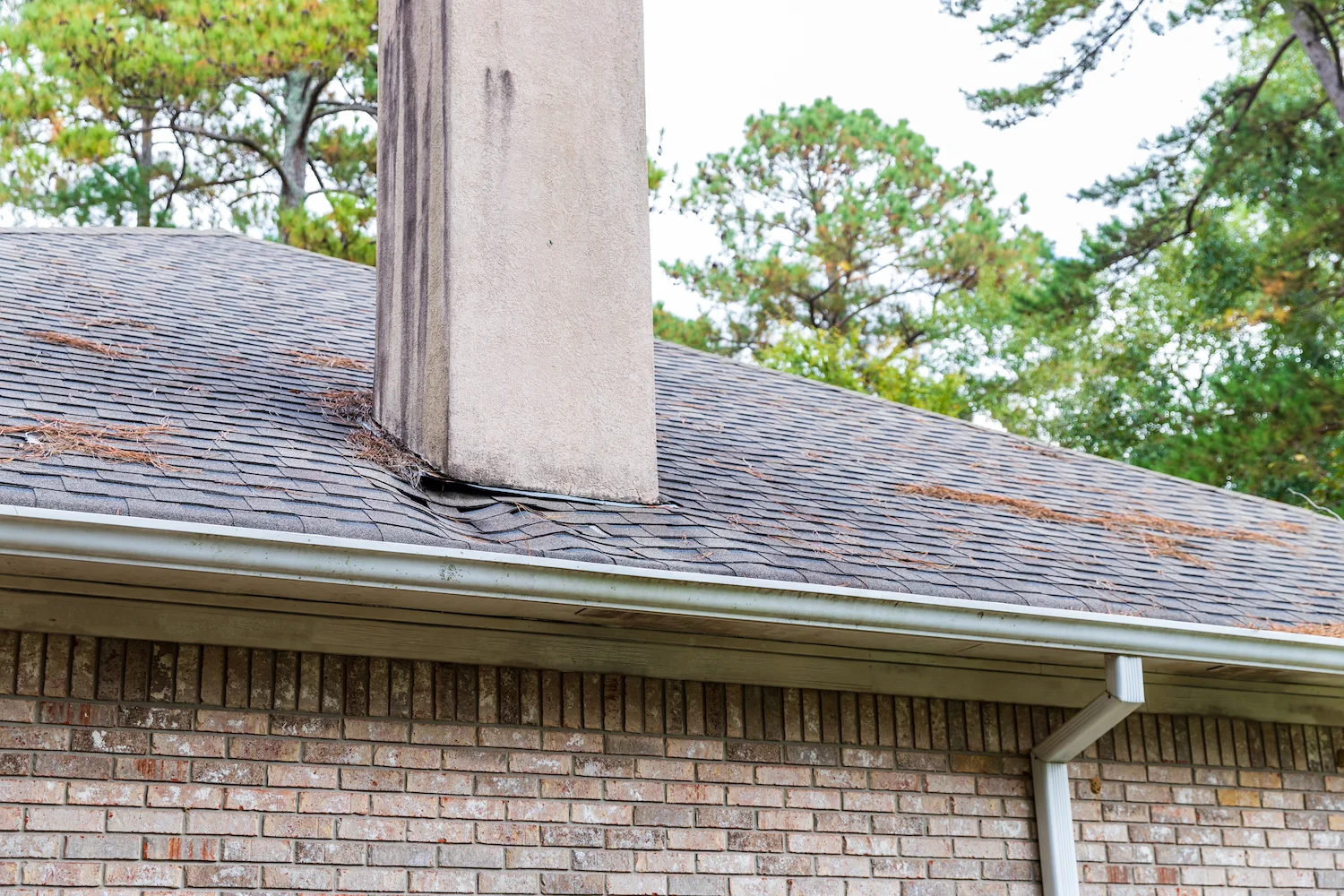
For commercial property owners and managers across New England, water intrusion remains one of the most expensive and difficult building maintenance challenges. While roof leaks often receive immediate attention, many property owners overlook two critical components of the building envelope: commercial chimneys and coping stones.
When these masonry elements deteriorate, they can become direct pathways for water infiltration, leading to structural damage, tenant complaints, mold growth, interior staining, and costly repairs. At ESI Waterproofing & Masonry Restoration, Inc., we frequently identify failing chimneys and coping stones as hidden sources of water intrusion during building envelope investigations throughout Massachusetts and New England.
Understanding the Role of Chimneys and Coping Stones
Commercial chimneys and coping stones serve important protective functions.
Commercial chimneys provide ventilation for mechanical systems, boilers, generators, and other building operations. They are continuously exposed to rain, snow, wind, freeze-thaw cycles, and thermal expansion.
Coping stones sit atop parapet walls and act as a protective cap designed to shed water away from the wall assembly. Properly functioning coping systems prevent moisture from penetrating the masonry below.
When either component begins to fail, water can infiltrate the building envelope and travel far from the original point of entry, making leak detection difficult and repairs more expensive.
How Commercial Chimneys Cause Water Intrusion
1. Deteriorated Mortar Joints
Mortar joints naturally deteriorate over time due to weather exposure and seasonal freeze-thaw cycles common throughout New England.
As mortar cracks or erodes, water enters the masonry system and becomes trapped within the chimney structure. Over time, this moisture can lead to:
- Interior water leaks
- Efflorescence
- Masonry displacement
- Freeze-thaw damage
- Structural instability
Routine repointing helps restore the chimney’s ability to resist water penetration while preserving structural integrity.
2. Failed Flashing Systems
One of the most common causes of chimney-related leaks is deteriorated flashing.
Flashing creates the waterproof transition between the chimney and roofing system. When flashing separates, corrodes, or was improperly installed, water can enter directly into the roof assembly and interior wall cavities.
Building owners often mistake these leaks for roofing failures when the actual source is the chimney connection.
3. Cracked Chimney Caps and Crowns
Concrete chimney crowns protect the top of masonry chimneys from water infiltration.
Cracks allow water to enter the chimney structure where it saturates masonry components. During winter months, freeze-thaw expansion can significantly accelerate deterioration and increase repair costs.
4. Missing or Deteriorated Sealants
Sealants around metal penetrations, mechanical equipment, and expansion joints eventually fail due to UV exposure and weathering.
Once sealants lose adhesion, water intrusion can occur during even moderate rain events.
How Coping Stones Contribute to Building Leaks
1. Open Coping Joints
Coping stones rely on properly sealed joints to prevent water infiltration.
As sealants age, shrink, or crack, water penetrates beneath the coping system and enters the parapet wall assembly.
Many commercial property managers first notice the problem when interior wall staining appears several floors below the actual source of the leak.
2. Cracked or Displaced Coping Stones
Temperature fluctuations throughout Massachusetts, Rhode Island, Connecticut, New Hampshire, Vermont, and Maine cause coping stones to expand and contract.
Over time, movement can create:
- Cracks
- Joint separation
- Displacement
- Loose coping sections
These conditions allow significant volumes of water to enter the wall system.
3. Improper Slope and Drainage
Coping stones should direct water away from the wall surface.
If settlement or installation deficiencies create low spots, standing water develops on the coping surface. Prolonged moisture exposure accelerates deterioration and increases the likelihood of water penetration.
4. Failed Through-Wall Flashing
Many parapet wall systems include concealed flashing beneath coping stones.
When flashing deteriorates or was improperly installed, water can bypass the drainage system entirely and enter the building envelope.
Why Water Intrusion Is Especially Problematic in New England
Commercial buildings throughout New England face unique environmental challenges.
The region experiences:
- Heavy rain events
- Coastal salt exposure
- Snow accumulation
- Ice formation
- Frequent freeze-thaw cycles
- High humidity periods
These conditions place tremendous stress on masonry systems and accelerate deterioration when maintenance is deferred.
Property owners often discover leaks only after significant hidden damage has already occurred.
Warning Signs Your Chimney or Coping Stones Need Attention
Watch for these common indicators:
- Water stains on interior walls or ceilings
- Efflorescence on masonry surfaces
- Cracked mortar joints
- Missing sealant joints
- Rust staining
- Spalling brick or stone
- Loose coping stones
- Chimney cracking
- Mold or mildew odors
- Repeated roof leak complaints
Early intervention often prevents far more extensive restoration work later.
How ESI Waterproofing & Masonry Restoration, Inc. Can Help
Since 1987, ESI Waterproofing & Masonry Restoration, Inc. has provided commercial waterproofing, masonry restoration, historic preservation, and building envelope repair services throughout Massachusetts and New England. The company specializes in identifying the true source of water intrusion and implementing long-term corrective solutions rather than temporary repairs.
Our services include:
- Commercial chimney restoration
- Masonry repointing
- Coping stone repair and replacement
- Commercial flashing repair
- Waterproof sealant replacement
- Building envelope investigations
- Commercial waterproofing systems
- Historic masonry restoration
- Parapet wall reconstruction
- Preventative maintenance programs
Protect Your Building Before Small Leaks Become Major Repairs
Water intrusion rarely resolves itself. In fact, even minor chimney or coping stone deficiencies can allow years of hidden moisture infiltration before visible signs appear.
For commercial property owners, facility managers, HOA boards, and asset managers throughout New England, proactive inspections and restoration work can significantly reduce long-term repair costs while protecting property value.
If your building is experiencing leaks, masonry deterioration, or signs of water intrusion, contact ESI Waterproofing & Masonry Restoration, Inc. for a comprehensive building envelope assessment and customized restoration solution.
Schedule a free Commercial Waterproofing & Building Inspection
Contact ESI Waterproofing & Masonry Restoration, Inc. today to discuss chimney restoration, coping stone repairs, waterproofing solutions, and masonry restoration services throughout Massachusetts and New England.