
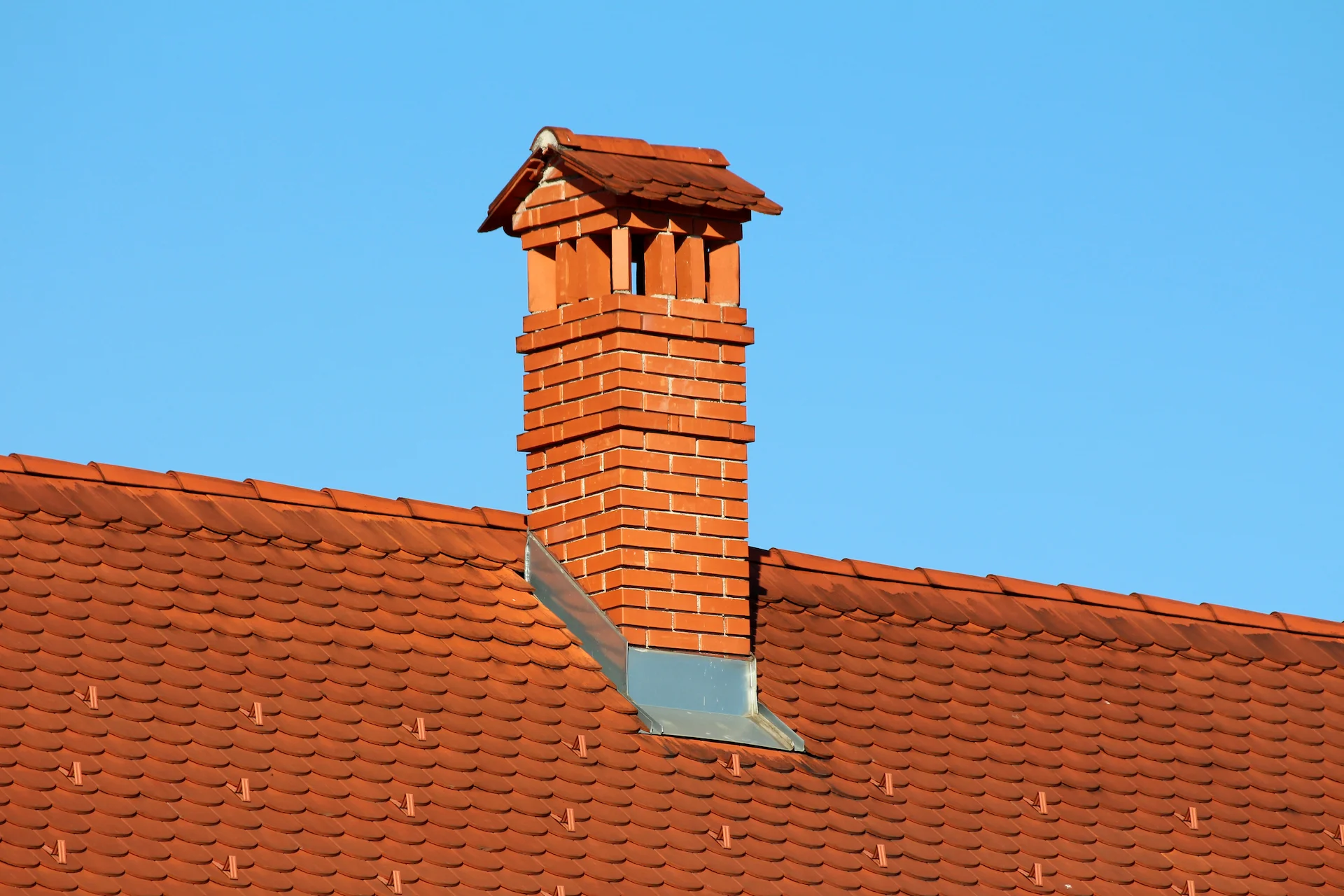
Flashing is one of the most important—and frequently overlooked—components of a commercial building envelope. When properly designed and installed, flashing helps direct water away from vulnerable areas of a building. When flashing deteriorates, separates, becomes improperly terminated, or was never installed correctly, water can penetrate behind masonry, siding, EIFS, stucco, windows, doors, roofs, and other exterior assemblies.
For commercial property managers, facility directors, and building owners throughout Massachusetts and New England, a small flashing failure can become a significant building-envelope problem if it is not identified and repaired early.
At ESI Waterproofing & Masonry Restoration, Inc., we help commercial property owners address water infiltration at its source through comprehensive commercial waterproofing, masonry restoration, concrete restoration, historic restoration, EIFS repair, stucco repair, and PVC and clapboard siding replacement.
What Is Flashing and Why Does It Matter?
Flashing is a water-management component installed at vulnerable transitions and penetrations in a building envelope. Its purpose is to intercept water and direct it toward the exterior rather than allowing moisture to enter the wall assembly.
Flashing may be found around:
- Windows and doors
- Masonry sills and copings
- Roof-to-wall intersections
- Parapets
- Balconies and decks
- Exterior wall penetrations
- Chimneys and masonry transitions
- Built-in gutters
- Wall-to-roof transitions
- Expansion and control joints
- Siding and cladding transitions
- EIFS and stucco openings
- Through-wall masonry conditions
The Massachusetts commercial building code recognizes the importance of these components. Under the Massachusetts-adopted 2021 International Building Code framework, 780 CMR Chapter 14 addresses exterior walls, including weather protection, water-resistive barriers, drainage, and flashing. Section 1404.4 addresses flashing at locations including exterior openings, penetrations, roof intersections, chimneys, porches, decks, balconies, copings, sills, projecting trim, and built-in gutters.
In other words, flashing is not simply a finishing detail. It is part of the building’s water-management system.
How Flashing Failures Cause Commercial Water Damage
Flashing failures rarely remain isolated.
Once water finds a pathway behind an exterior wall assembly, it can migrate horizontally and vertically before becoming visible inside the building. By the time a ceiling stain or interior wall discoloration appears, the original point of water entry may be several feet—or even multiple building components—away.
1. Water Enters Behind the Exterior Wall
A failed flashing detail can allow rainwater and melting snow to enter behind masonry, siding, EIFS, or stucco.
This is particularly concerning in New England, where buildings experience:
- Wind-driven rain
- Heavy snowfall
- Ice
- Freeze-thaw cycles
- Seasonal temperature changes
- Coastal moisture
- Road-salt exposure
- Repeated wetting and drying
Massachusetts’ exterior-wall requirements are designed around preventing water accumulation within wall assemblies and providing a means for water that enters the assembly to drain toward the exterior.
2. Moisture Migrates into Hidden Building Components
Water does not necessarily stop where it enters.
Moisture can travel through wall cavities and affect:
- Sheathing
- Framing
- Insulation
- Masonry
- Concrete
- Metal components
- Interior finishes
- Electrical components
- Mechanical spaces
Because much of this damage occurs behind finished surfaces, it may remain undetected for an extended period.
3. Masonry Begins to Deteriorate
Persistent moisture exposure can accelerate deterioration of masonry systems.
Commercial masonry may develop:
- Mortar joint deterioration
- Cracking
- Spalling
- Efflorescence
- Freeze-thaw damage
- Displaced masonry
- Corroded embedded components
- Deteriorated sealants
A flashing problem can therefore evolve into a larger masonry restoration project.
4. Freeze-Thaw Cycling Makes Existing Problems Worse
New England’s freeze-thaw environment adds another layer of risk.
Water that enters cracks, joints, or porous masonry can freeze when temperatures fall. As water freezes, it expands, creating additional stresses within masonry and concrete assemblies.
Repeated cycles can progressively enlarge cracks and deteriorate vulnerable materials.
This is one reason why seemingly minor water-infiltration issues should not automatically be treated as simple caulking problems.
5. Interior Damage Eventually Appears
Once moisture migrates far enough into a building, occupants may notice:
- Ceiling stains
- Damp walls
- Peeling paint
- Bubbling finishes
- Musty odors
- Damaged drywall
- Mold concerns
- Deteriorated flooring
- Water around windows
- Repeated leaks after storms
At this stage, the cost of the problem can extend well beyond repairing the original flashing.
Why Flashing Problems Become Expensive Commercial Repairs
A flashing failure can trigger a chain reaction:
Flashing failure → water infiltration → concealed moisture → material deterioration → interior damage → larger restoration project
For a commercial property, the financial impact may include much more than construction costs.
Property owners and facility managers may also have to deal with:
- Tenant complaints
- Business interruptions
- Damaged tenant improvements
- Interior restoration
- Emergency leak response
- Temporary protection measures
- Insurance claims
- Disruption to building operations
- Increased maintenance costs
- Potential structural repairs
- Scheduling and access challenges
- Additional consultant or engineering requirements
The earlier the source is identified, the more opportunities there may be to address the building-envelope problem before deterioration spreads.
Common Commercial Flashing Failure Locations
Window and Door Openings
Window and door openings are particularly important areas to inspect because they create penetrations through the exterior wall assembly.
Potential warning signs include:
- Water staining beneath windows
- Deteriorated masonry below openings
- Failed sealants
- Cracked joints
- Damaged sill components
- Interior water intrusion
- Repeated leaks during heavy rain
A proper repair may require more than replacing exterior caulking. Depending on the construction, the underlying flashing, masonry, waterproofing, or adjacent wall assembly may need to be evaluated.
Masonry Sills and Copings
Masonry sills and copings are exposed to significant weather conditions.
When flashing beneath or around these components fails, water can enter the wall system and contribute to deterioration below the visible surface.
Roof-to-Wall Intersections
Where a roof meets a masonry or exterior wall, multiple building-envelope components must work together.
Improper flashing, deteriorated counterflashing, failed sealants, or defective transitions can create persistent leaks that are difficult to diagnose from inside the building.
Parapets
Commercial parapets are another common water-infiltration concern.
A deteriorated parapet can experience water intrusion at:
- Copings
- Mortar joints
- Flashing
- Terminations
- Roof transitions
- Wall penetrations
Because parapets are exposed to weather from multiple directions, regular inspection and maintenance are important components of commercial building-envelope management.
EIFS and Stucco Openings
EIFS and stucco systems require carefully coordinated water-management details around openings, penetrations, transitions, and terminations.
Flashing failures around these areas can allow water behind the exterior finish, potentially causing deterioration that is not immediately visible.
Massachusetts Building Code and Flashing Requirements
Massachusetts currently operates under the 10th Edition of 780 CMR, which became effective in 2024 following a concurrency period. As of June 30, 2025, the 10th Edition became the only applicable edition.
The Massachusetts commercial building code incorporates the 2021 International Building Code with Massachusetts-specific amendments.
For exterior walls, the code framework addresses weather protection and requires exterior wall envelopes to provide weather resistance. It also addresses water-resistive barriers, drainage, and flashing.
Section 1404.4 specifically addresses flashing intended to prevent moisture from entering the wall or redirect moisture toward the exterior wall finish or an appropriate water-resistive barrier and drainage system. Flashing provisions address openings, penetrations, roof intersections, chimneys, projections, copings, sills, projecting trim, and similar moisture-vulnerable locations.
Important: Building-code requirements vary according to building type, construction, project scope, applicable amendments, and local jurisdiction. The applicable code should always be confirmed for a specific project with the appropriate design professional and authority having jurisdiction.
For property managers and owners, however, the larger takeaway is straightforward:
The building envelope needs a functioning water-management strategy—not simply a weather-resistant exterior appearance.
Why Commercial Building Owners Should Investigate Leaks at the Source
One of the most common mistakes in commercial water-infiltration repairs is addressing only the location where water becomes visible.
For example, replacing interior drywall may make a water stain disappear, but it does not eliminate the source.
Likewise, applying sealant over a deteriorated joint may provide temporary protection without addressing a failed flashing system underneath.
A comprehensive building-envelope investigation considers:
- Where is the water entering?
- How is water traveling through the assembly?
- What components have deteriorated?
- Is the flashing functioning correctly?
- Are masonry joints allowing water penetration?
- Are sealants and expansion joints deteriorated?
- Are EIFS or stucco transitions properly protected?
- Is water being directed away from the building?
- Has freeze-thaw damage accelerated deterioration?
- What repair strategy will address the underlying problem?
This source-oriented approach can help property managers distinguish between a surface maintenance issue and a larger building-envelope failure.
Signs Your Commercial Building May Have a Flashing Problem
Property managers and facility directors should investigate recurring water problems rather than simply treating the symptoms.
Watch for:
Exterior Warning Signs
- Cracked or deteriorated mortar joints
- Missing or damaged flashing
- Rust staining
- Efflorescence
- Spalled brick or concrete
- Failed sealants
- Cracked stucco
- EIFS deterioration
- Deteriorated coping
- Water staining below masonry openings
- Damaged siding
- Ponding water near wall transitions
Interior Warning Signs
- Recurring ceiling stains
- Water around windows
- Damp walls
- Peeling paint
- Bubbling finishes
- Musty odors
- Damaged drywall
- Repeated leaks following storms
- Moisture appearing in previously repaired areas
A recurring leak is a building-envelope warning—not simply a cosmetic problem.
Preventive Commercial Waterproofing Can Reduce Larger Repair Needs
Preventive maintenance allows property owners to identify deterioration before it becomes an emergency.
A commercial building-envelope maintenance program may include inspection and evaluation of:
- Masonry
- Flashing
- Sealants
- Copings
- Expansion joints
- Window and door interfaces
- Roof-to-wall transitions
- Concrete
- EIFS
- Stucco
- PVC and clapboard siding
- Waterproofing systems
- Below-grade areas
- Parking structures
- Exterior penetrations
ESI Waterproofing & Masonry Restoration, Inc. works with commercial, institutional, municipal, and other property owners throughout Massachusetts and New England to identify and address water-infiltration and exterior deterioration concerns.
ESI Waterproofing & Masonry Restoration, Inc.: Commercial Building Envelope Expertise
ESI Waterproofing & Masonry Restoration, Inc. provides comprehensive restoration and waterproofing services designed to address the interconnected components of commercial building envelopes.
ESI’s services include:
- Commercial waterproofing
- Masonry restoration and repair
- Concrete restoration
- Historic building restoration
- EIFS repair and installation
- Stucco repair
- PVC and clapboard siding replacement
- Specialty coatings
- Building-envelope repairs
- Parking garage restoration
- Water-infiltration solutions
ESI’s approach is centered on identifying the underlying source of deterioration rather than simply treating visible symptoms. The company serves commercial and institutional properties throughout Massachusetts and New England and has experience working on projects ranging from smaller property repairs to major commercial restoration projects.
For occupied commercial properties, ESI also works with property owners and facility managers to coordinate project phasing, access, safety, and scheduling around building operations.
Don’t Wait for a Small Flashing Failure to Become a Major Water-Infiltration Problem
Flashing may be hidden from view, but its role in protecting a commercial building is significant.
When flashing fails, water can enter wall assemblies, migrate through concealed spaces, deteriorate masonry and concrete, damage interior finishes, and create increasingly expensive restoration requirements.
For commercial property managers, facility directors, and building owners in Massachusetts, Rhode Island, Connecticut, and New Hampshire, proactive building-envelope inspections and timely waterproofing and restoration can help identify problems before they become major capital expenses.
If your commercial building has recurring leaks, deteriorated masonry, failed sealants, damaged flashing, EIFS or stucco deterioration, or signs of water infiltration, ESI Waterproofing & Masonry Restoration, Inc. can evaluate the exterior conditions and help identify appropriate restoration and waterproofing solutions.
Avoid costly surprises. Protect your building. Control your capital expenses.
Contact ESI Waterproofing & Masonry Restoration Inc. to develop a preventive repair strategy tailored to your property.