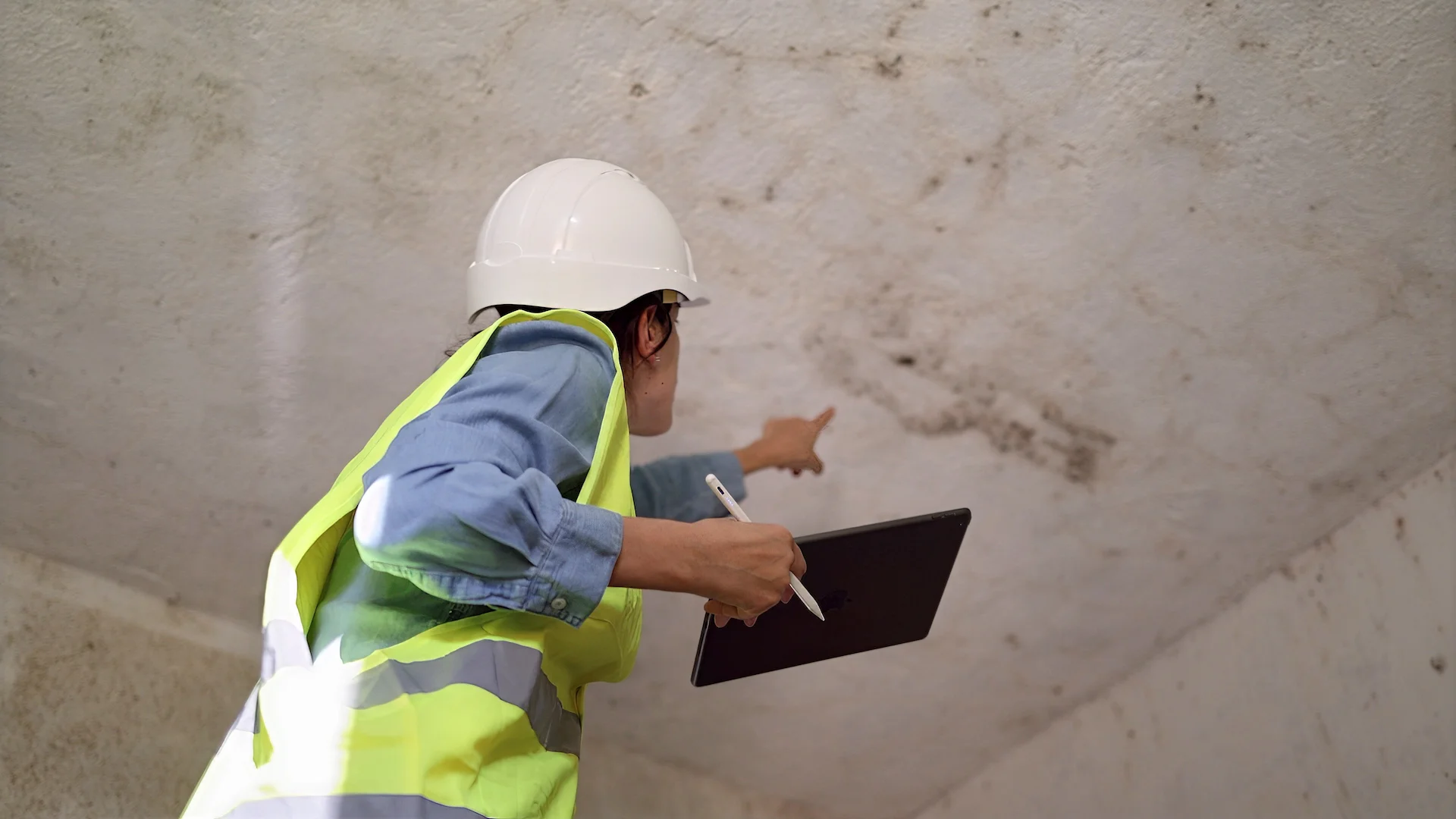
Water intrusion remains one of the most common—and costly—causes of property damage in commercial buildings. While a single leak may seem minor, recurring moisture infiltration can lead to extensive structural deterioration, mold growth, tenant complaints, business interruption, and expensive insurance claims.
For insurance carriers, water intrusion is more than a maintenance issue; it represents a significant financial risk. As a result, insurers increasingly scrutinize claims involving water damage, especially when evidence suggests deferred maintenance or neglected building envelope deficiencies.
For commercial property owners, property managers, facility directors, and condominium associations throughout Massachusetts and New England, understanding why insurers pay close attention to water intrusion claims can help reduce liability, preserve coverage, and protect valuable assets.
Why Water Intrusion Claims Concern Insurance Companies
Insurance providers analyze claims based on frequency, severity, and preventability. Water intrusion consistently ranks among the most expensive and recurring claim categories in commercial real estate.
When moisture enters a building through damaged masonry, failed sealants, deteriorated EIFS systems, cracked stucco, aging waterproofing membranes, or compromised flashing, the resulting damage often extends far beyond the original point of entry.
Common consequences include:
- Interior water damage
- Mold and mildew growth
- Structural deterioration
- Corrosion of steel components
- Damage to electrical systems
- Tenant displacement
- Business interruption losses
- Increased liability exposure
Because many water intrusion issues develop gradually, insurance companies often investigate whether preventative maintenance could have prevented the damage.


Deferred Maintenance Can Lead to Claim Denials
Many commercial property owners are surprised to learn that insurance policies often distinguish between sudden accidental damage and long-term deterioration.
For example, if water enters a building due to:
- Cracked mortar joints
- Failed caulking
- Deteriorated expansion joints
- Neglected EIFS damage
- Cracked stucco systems
- Aging waterproofing membranes
- Unaddressed facade defects
Insurance adjusters may determine the damage resulted from lack of maintenance rather than an unexpected event.
This distinction can significantly impact claim outcomes.
Routine inspections and proactive repairs demonstrate responsible property management and can help support future insurance claims when unexpected events occur.
The New England Climate Creates Elevated Risk
Commercial buildings throughout Massachusetts and New England face unique environmental challenges that accelerate water intrusion problems.
These include:
Freeze-Thaw Cycles
Water entering small cracks expands when frozen, causing masonry deterioration, facade cracking, and mortar joint failure.
Coastal Exposure
Salt-laden air accelerates deterioration of masonry, metal components, and waterproofing systems, particularly along the Massachusetts coastline.
Heavy Rainfall and Wind-Driven Moisture
Storm events can force water behind compromised facades and cladding systems.
Snow and Ice Accumulation
Melting snow can infiltrate vulnerable building envelope components and create hidden moisture issues.
These conditions make regular building envelope maintenance critical for long-term asset protection.
Insurance Carriers Evaluate Building Envelope Conditions
Modern insurance inspections increasingly focus on the overall condition of the building envelope.
This includes:
- Brick and masonry facades
- Sealants and expansion joints
- EIFS systems
- Stucco cladding
- Waterproofing membranes
- Flashing systems
- Balcony and plaza deck waterproofing
- Parking structure waterproofing
- Roof-to-wall transitions
Visible signs of deterioration may raise concerns about future claims and increase underwriting risk.
By maintaining these systems, commercial owners demonstrate proactive stewardship and reduce the likelihood of costly losses.
Massachusetts and New England Code Considerations
Commercial property owners should also understand that building envelope deficiencies can create compliance concerns.
Several applicable standards may influence maintenance and restoration decisions, including:
Massachusetts State Building Code (780 CMR)
The Massachusetts State Building Code adopts and modifies provisions of the International Building Code (IBC), requiring buildings to maintain structural integrity and weather resistance.
International Building Code (IBC)
Relevant sections include:
- IBC Chapter 14: Exterior Walls
- IBC Chapter 25: Gypsum Board and Plaster
- IBC Chapter 26: Plastic Materials (including EIFS applications)
- IBC Section 1402: Weather Protection Requirements
These provisions emphasize the importance of maintaining exterior wall systems that prevent moisture intrusion and protect building occupants.
Property Maintenance Standards
Many municipalities throughout Massachusetts and New England require building owners to maintain exterior walls, waterproofing systems, and facades in safe and weather-resistant conditions.
Failure to address water infiltration may contribute to accelerated deterioration and increased liability exposure.
How Waterproofing and Masonry Restoration Reduce Insurance Risk
Investing in preventative restoration can significantly reduce future water intrusion claims.
Key services include:
Masonry Restoration
Proper masonry restoration addresses:
- Cracked brickwork
- Failed mortar joints
- Spalling masonry
- Deteriorated facade components
Restoring masonry integrity helps prevent moisture penetration before major damage occurs.
Commercial Waterproofing
Professional waterproofing systems help protect:
- Foundations
- Parking garages
- Plaza decks
- Balconies
- Below-grade structures
- Mechanical rooms
These critical areas are frequently associated with costly insurance claims when water infiltration occurs.
EIFS Repair and Restoration
EIFS systems require specialized maintenance to prevent hidden moisture accumulation behind the cladding system.
Proper repairs restore water management performance while preserving energy efficiency and appearance.
Stucco Restoration
Cracked or deteriorated stucco can allow moisture intrusion into wall assemblies.
Professional restoration addresses underlying deficiencies while restoring weather resistance.
Sealant and Expansion Joint Replacement
Failed sealants represent one of the most common sources of water intrusion in commercial buildings.
Routine replacement programs help maintain a watertight building envelope.
Why Partner with ESI Waterproofing & Masonry Restoration, Inc.
For over two decades, ESI Waterproofing & Masonry Restoration, Inc. has helped commercial property owners, facility managers, condominium associations, and institutional clients throughout Massachusetts and New England protect their buildings from water intrusion and structural deterioration.
Our experienced team specializes in:
- Commercial waterproofing
- Masonry restoration
- Building envelope repair
- EIFS restoration
- Stucco restoration
- Facade rehabilitation
- Sealant replacement
- Balcony waterproofing
- Parking garage waterproofing
- Historic masonry restoration
As a DCAMM-certified contractor, ESI understands the unique environmental challenges facing New England buildings and delivers customized solutions designed to maximize asset protection and long-term performance.
Protect Your Property Before Water Intrusion Becomes an Insurance Claim
Water intrusion problems rarely resolve themselves. What begins as a small crack or failed joint can quickly evolve into a costly repair project, tenant disruption, or insurance claim.
Proactive inspections, waterproofing, masonry restoration, EIFS repairs, and facade maintenance can significantly reduce risk while extending the life of your building.
If your commercial property is showing signs of moisture intrusion, facade deterioration, masonry damage, EIFS failure, or waterproofing deficiencies, ESI Waterproofing & Masonry Restoration can help.
Schedule a Free Building Envelope Assessment & Estimate
Request a Commercial Building Envelope Inspection Today and discover how proactive waterproofing and masonry restoration can help reduce risk, protect tenants, and extend the life of your property throughout Massachusetts and New England.
Contact ESI today to schedule a consultation and building envelope evaluation.
Disclaimer: This article is provided for general informational and educational purposes only and is not a substitute for a project-specific inspection, professional advice, or applicable building codes and regulations. Building conditions, materials, and requirements vary by property and jurisdiction. Recommendations should be evaluated by qualified professionals based on the specific project. External resources are provided for informational purposes only; their inclusion does not imply endorsement of ESI Waterproofing & Masonry Restoration Inc. by the referenced organizations.