
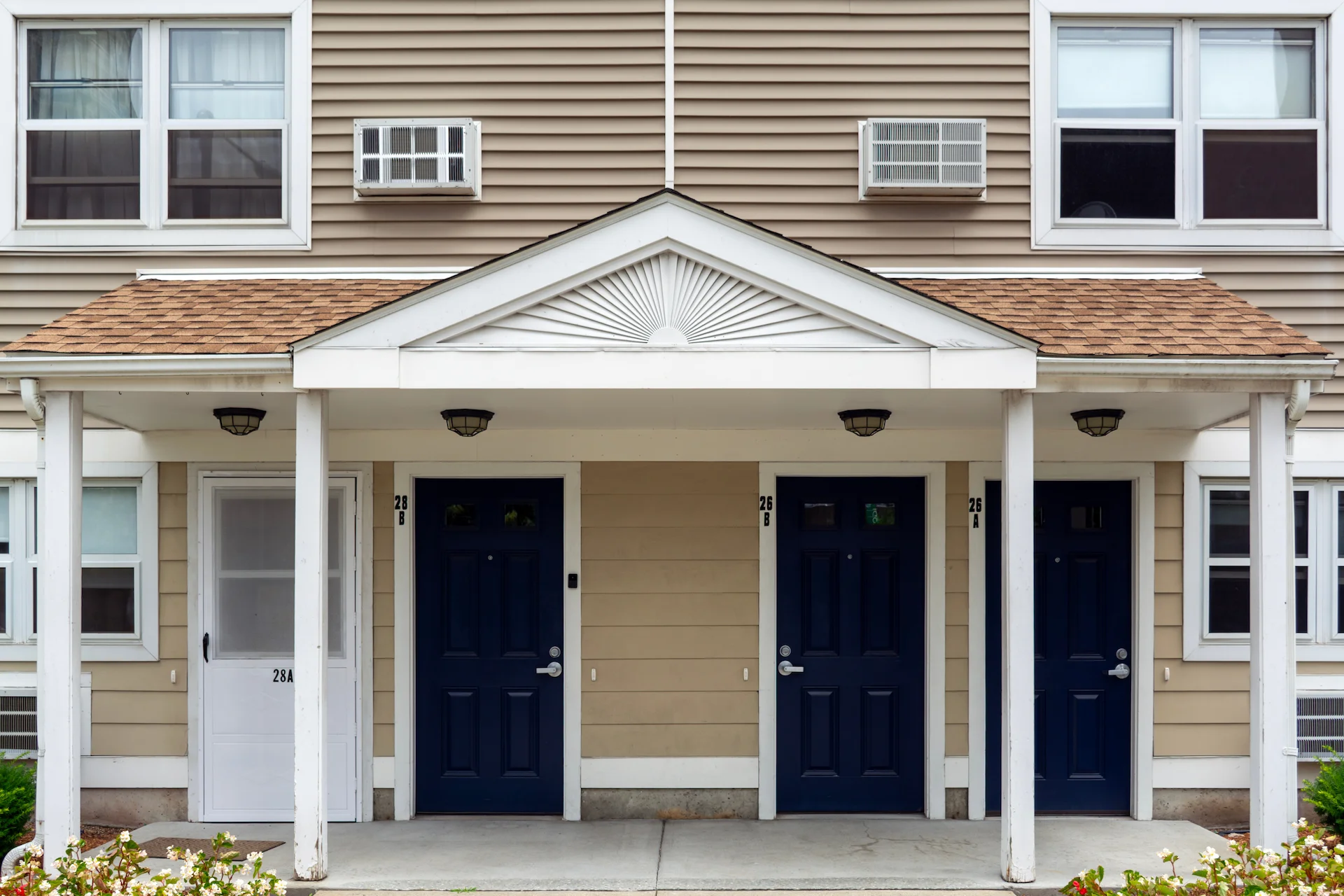
Clapboard siding does more than define a building’s appearance. It serves as a critical part of the exterior building envelope, helping protect the structure from wind-driven rain, moisture intrusion, and the demanding seasonal conditions common throughout New England.
For commercial property owners, property managers, and facility directors in Massachusetts, Rhode Island, Connecticut, and New Hampshire, deteriorating siding can quickly become more than a maintenance concern. Cracked boards, peeling paint, failed sealants, loose siding, and damaged flashing can allow water to penetrate behind the exterior surface, potentially damaging sheathing, insulation, framing, and interior finishes.
What begins as a seemingly minor repair can develop into a larger restoration project if moisture is allowed to persist.
At ESI Waterproofing & Masonry Restoration, Inc., we help property owners protect their investments through professional clapboard and PVC siding replacement, commercial waterproofing, masonry restoration, concrete restoration, historic building restoration, EIFS repair, and stucco repair.
Understanding the true cost of delaying siding repairs can help building owners make informed maintenance decisions, reduce avoidable damage, and protect the long-term performance of their properties.
1. Minor Siding Damage Can Lead to Major Water Intrusion
Clapboard siding is exposed to seasonal temperature changes, precipitation, wind, ultraviolet radiation, and repeated wetting and drying. Over time, these conditions can contribute to deteriorating paint, splitting boards, failing joints, and gaps around windows, doors, and other penetrations.
When the exterior siding system can no longer shed water effectively, moisture may enter the wall assembly through vulnerable areas.
Common warning signs include:
- Cracked, warped, split, or rotting clapboard boards.
- Peeling, bubbling, or blistering paint.
- Gaps around windows, doors, trim, and exterior penetrations.
- Loose siding, deteriorated joints, or failing sealants.
- Water stains on interior walls or ceilings near exterior walls.
- Soft or deteriorating wood around window sills and trim.
- Persistent musty odors or signs of moisture inside the building.
Not every siding defect indicates concealed structural damage. However, visible deterioration can signal that the building envelope needs closer evaluation.
Why early action matters: Addressing damaged siding and investigating the source of moisture can help prevent a localized maintenance issue from developing into a more extensive waterproofing or restoration project.
2. The Hidden Costs of Delayed Clapboard Siding Repairs
The cost of postponing repairs is not limited to replacing a few boards. If water reaches vulnerable components behind the siding, the scope of work may expand considerably.
Sheathing and Structural Framing Damage
Prolonged moisture exposure can cause wood sheathing, trim, and framing to deteriorate. Depending on the extent of the damage, repairs may require removing sections of siding, replacing damaged substrates, and addressing underlying moisture pathways before installing new materials.
These additional tasks can increase labor requirements, material costs, and project duration.
Insulation and Interior Finish Damage
Water intrusion can affect insulation, drywall, paint, flooring, and other interior finishes. In occupied commercial buildings, repairs may also require access to offices, residential units, corridors, or common areas.
When moisture conditions persist, a qualified professional may need to investigate for mold growth or other moisture-related concerns. The appropriate response depends on the extent and location of the damage.
Repeated Maintenance Expenses
Applying new paint, replacing isolated boards, or adding sealant may improve the appearance of damaged siding without resolving the underlying cause of water intrusion.
When the original problem remains, property managers may find themselves paying repeatedly for temporary repairs.
A properly scoped restoration project should evaluate whether the siding, flashing, water-resistive barrier, and adjacent building-envelope components are performing as intended.
3. Why New England’s Climate Makes Timely Repairs Important
Commercial buildings throughout Massachusetts, Rhode Island, Connecticut, and New Hampshire experience conditions that can place substantial demands on exterior wall systems.
Seasonal freeze-thaw cycles, wind-driven rain, snow, ice, humidity, and temperature fluctuations can contribute to deterioration of siding, coatings, joints, and sealants. Coastal properties may also experience additional exposure to wind and salt-laden air.
These conditions make routine exterior inspections particularly valuable.
Property managers should pay close attention to:
- Spring: Inspect siding after winter for splitting, loose boards, failed caulking, and moisture-related deterioration.
- Summer: Plan appropriate repair and replacement work while coordinating access, contractor schedules, and building operations.
- Fall: Address identified vulnerabilities before colder weather, snow, and ice complicate exterior maintenance.
- After significant storms: Investigate newly visible damage, displaced siding, and signs of water intrusion.
A consistent maintenance strategy helps building owners identify developing problems before they become urgent capital expenditures.
4. How Delayed Repairs Affect Commercial Building Operations
For occupied commercial properties, the financial consequences of siding deterioration extend beyond construction costs.
Exterior restoration work may affect tenants, employees, customers, residents, and building operations. When deterioration progresses, repairs can become more extensive and may require additional coordination.
Potential impacts include:
- Temporary restrictions on access to entrances, sidewalks, or parking areas.
- Scaffolding, lifts, and work-zone requirements.
- Noise and disruption during occupied hours.
- Temporary relocation of staff, tenants, or stored materials in affected areas.
- Additional coordination with maintenance teams, building engineers, and property stakeholders.
- Unplanned budget adjustments and changes to scheduled capital projects.
Early assessment gives property managers more opportunity to plan the scope, schedule, access requirements, and communication process.
For multi-unit residential properties, condominiums, educational facilities, offices, and other occupied buildings, proactive planning can be especially valuable.
The goal is not simply to repair siding. It is to restore the exterior envelope while managing the impact on the people and activities inside the building.
5. Siding Replacement Should Address the Entire Building Envelope
Replacing visibly damaged clapboard siding without examining the underlying wall assembly may leave the original moisture problem unresolved.
A comprehensive assessment should consider the condition of the siding and the surrounding components that help manage water.
Depending on the building and the observed damage, this may include:
- Existing clapboard siding and trim.
- PVC siding or replacement-material options.
- Sheathing and exposed wood framing.
- Water-resistive barriers and underlayment.
- Window and door flashing.
- Joints, penetrations, and transitions between dissimilar materials.
- Connections between siding, roofing, foundations, and adjacent exterior wall systems.
- Related masonry, concrete, stucco, or EIFS components.
Where concealed deterioration is discovered, the repair scope may need to expand to include damaged sheathing or framing.
Material selection and installation details should be appropriate for the building’s design, exposure, existing construction, and applicable requirements.
At ESI Waterproofing & Masonry Restoration, Inc., our broader restoration capabilities allow property owners to consider siding repairs alongside related waterproofing, masonry, concrete, and exterior wall needs.
This coordinated approach can help reduce the risk of treating visible symptoms while overlooking a contributing building-envelope problem.
6. Understanding Building Code Considerations for Siding Repairs
Clapboard siding replacement is not solely an aesthetic decision. Applicable building codes and installation requirements may affect how an exterior wall is repaired or replaced.
In Massachusetts, the State Building Code, 780 CMR, includes provisions addressing exterior walls, weather protection, water-resistive barriers, flashing, and siding installation. Chapter 14 of the Massachusetts building code addresses exterior wall assemblies and associated weather-resistance requirements.
For example, the exterior-wall provisions address the need for a weather-resistant envelope that manages water entering the assembly, including provisions for water-resistive barriers and flashing. Applicable siding requirements also address installation in accordance with approved manufacturer instructions.
Official reference: Massachusetts State Building Code — 780 CMR.
For existing buildings, the applicable existing-building provisions and requirements for permits or approvals should also be evaluated when determining the scope of work.
Property owners in Rhode Island, Connecticut, and New Hampshire should verify the current state and local codes, amendments, permit requirements, and applicable provisions for their specific property. Historic buildings, larger commercial structures, and buildings with particular fire-resistance or other code requirements may require additional review.
Important: Applicable code requirements depend on the jurisdiction, building classification, project scope, and adopted code edition. A qualified design professional or the local building official can help determine which requirements apply to a specific project.
7. Repair or Replace? Making the Right Decision for Your Property
Not every deteriorated siding system requires complete replacement. The appropriate solution depends on the condition of the materials, the extent of concealed damage, the performance of the existing wall assembly, and the property’s long-term maintenance objectives.
Targeted Siding Repairs
Localized repairs may be appropriate when damage is limited, surrounding materials remain serviceable, and the underlying moisture-management details are functioning properly.
Partial Siding Replacement
Replacing a defined section may be appropriate when deterioration is concentrated in one area or when repairs are needed around windows, doors, trim, or other vulnerable transitions.
Full or Extensive Siding Replacement
A broader replacement project may be warranted when deterioration is widespread, moisture damage extends behind the siding, repairs have repeatedly failed, or the existing system no longer meets the property’s performance objectives.
PVC Siding Replacement
PVC siding may be an option for projects where the selected product is suitable for the building, exposure, appearance requirements, and budget. Product specifications and installation instructions should be reviewed before choosing a replacement system.
The best decision is based on the building’s actual condition—not appearance alone. A qualified assessment can help establish a practical scope of work and identify conditions that need to be addressed before new siding is installed.
8. How to Budget for Siding Restoration Before Costs Escalate
For property managers and facility directors, the challenge is balancing current operating budgets against long-term capital planning.
A proactive approach begins with documenting the condition of the exterior and identifying repairs according to urgency.
Consider the following steps:
- Document visible deterioration. Photograph damaged siding, failed joints, water staining, and other concerns.
- Prioritize active water intrusion. Investigate conditions that may be allowing water to reach concealed building components.
- Obtain a defined scope of work. Clarify which siding, flashing, substrate, and related components are included.
- Evaluate concealed conditions. Determine how unforeseen damage will be documented and addressed if discovered during removal.
- Coordinate the work schedule. Consider tenant occupancy, access, weather, equipment requirements, and other building activities.
- Compare long-term value. Evaluate proposed repairs based on durability, maintenance requirements, and the risk of recurring problems—not simply the lowest initial price.
- Maintain inspection records. Keep photographs, repair documentation, and follow-up inspection notes to support future capital planning.
A detailed scope helps owners compare proposals more effectively and reduces uncertainty about the work required.
9. Why Property Owners Choose ESI Waterproofing & Masonry Restoration, Inc.
When exterior siding deteriorates, the right contractor should understand how siding interacts with the rest of the building envelope.
ESI Waterproofing & Masonry Restoration, Inc. provides restoration and exterior repair services for property owners and building professionals seeking to protect and maintain their investments.
Our services include:
- Clapboard and PVC siding replacement.
- Commercial waterproofing.
- Masonry restoration and repair.
- Concrete restoration and specialty coatings.
- Historic building restoration.
- EIFS repair and new installations.
- Stucco repair.
By addressing siding and related exterior restoration needs, property owners can evaluate their building’s condition more comprehensively and plan repairs around its performance requirements.
ESI is also a DCAMM-certified contracting company, supporting its work in the Massachusetts public-sector construction market where applicable certification requirements are relevant.
Learn more about our siding replacement services and waterproofing and masonry restoration services.
10. Protect Your Building Before Small Repairs Become Major Projects
Delaying clapboard siding repairs can expose commercial properties to avoidable moisture damage, recurring maintenance expenses, and more complicated restoration work.
For property managers, facility directors, and commercial owners across Massachusetts, Rhode Island, Connecticut, and New Hampshire, early evaluation can provide a clearer understanding of the building’s condition, the work required, and the best way to plan repairs.
If your property has cracked, warped, loose, or deteriorating siding—or if you have noticed signs of water intrusion—consider arranging a professional assessment before the next maintenance cycle.
Contact ESI Waterproofing & Masonry Restoration, Inc. to discuss your property’s clapboard siding replacement, waterproofing, and exterior restoration needs.
Visit ESI’s website to learn more about our services and request a free estimate.
Protecting your building starts with addressing the problems you can see—and investigating the ones you cannot.
Disclaimer: This article is provided for general informational and educational purposes only and is not a substitute for a project-specific inspection, professional advice, or applicable building codes and regulations. Building conditions, materials, and requirements vary by property and jurisdiction. Recommendations should be evaluated by qualified professionals based on the specific project. External resources are provided for informational purposes only; their inclusion does not imply endorsement of ESI Waterproofing & Masonry Restoration Inc. by the referenced organizations.