
Water intrusion remains one of the most costly and disruptive problems facing commercial property owners throughout New England. While roofing systems are often the first area suspected when leaks appear, many building owners are surprised to learn that parapet walls are among the most common sources of water infiltration.
At ESI Waterproofing & Masonry Restoration, Inc., our inspection teams routinely identify parapet wall deterioration as a primary contributor to interior moisture damage, masonry deterioration, and building envelope failures. Understanding how parapet walls function—and why they fail—can help property managers address problems before they become expensive repairs.
What Is a Parapet Wall?
A parapet wall is the portion of an exterior wall that extends above the roofline. Common on commercial, institutional, multi-family, and historic buildings throughout Massachusetts and New England, parapets serve both architectural and functional purposes.
Parapet walls may:
- Conceal rooftop equipment
- Provide fire separation between buildings
- Improve safety at roof edges
- Enhance architectural appearance
- Support drainage systems and flashing details
Because parapets sit at the intersection of the roof and exterior wall systems, they are constantly exposed to some of the harshest weather conditions a building experiences.
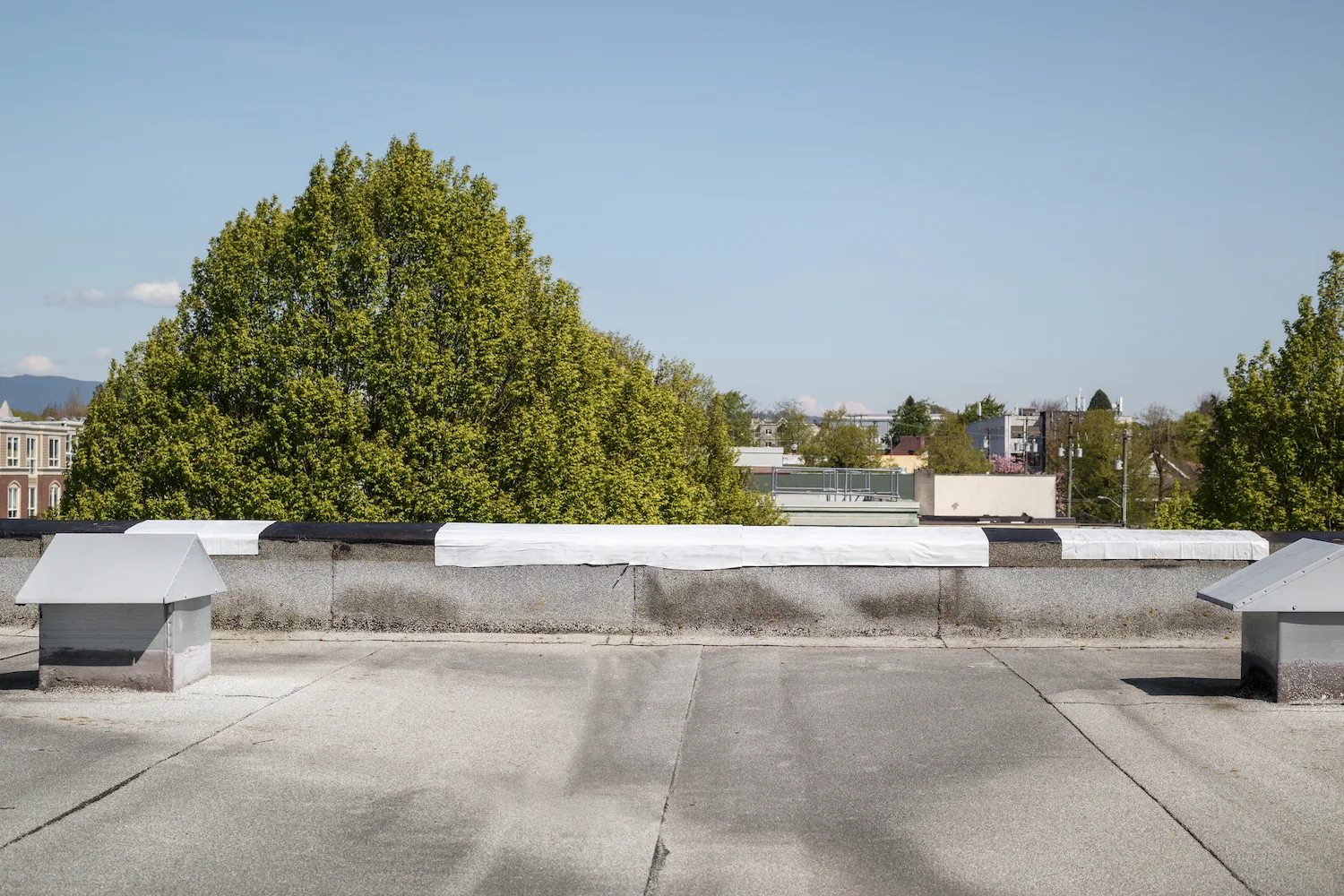
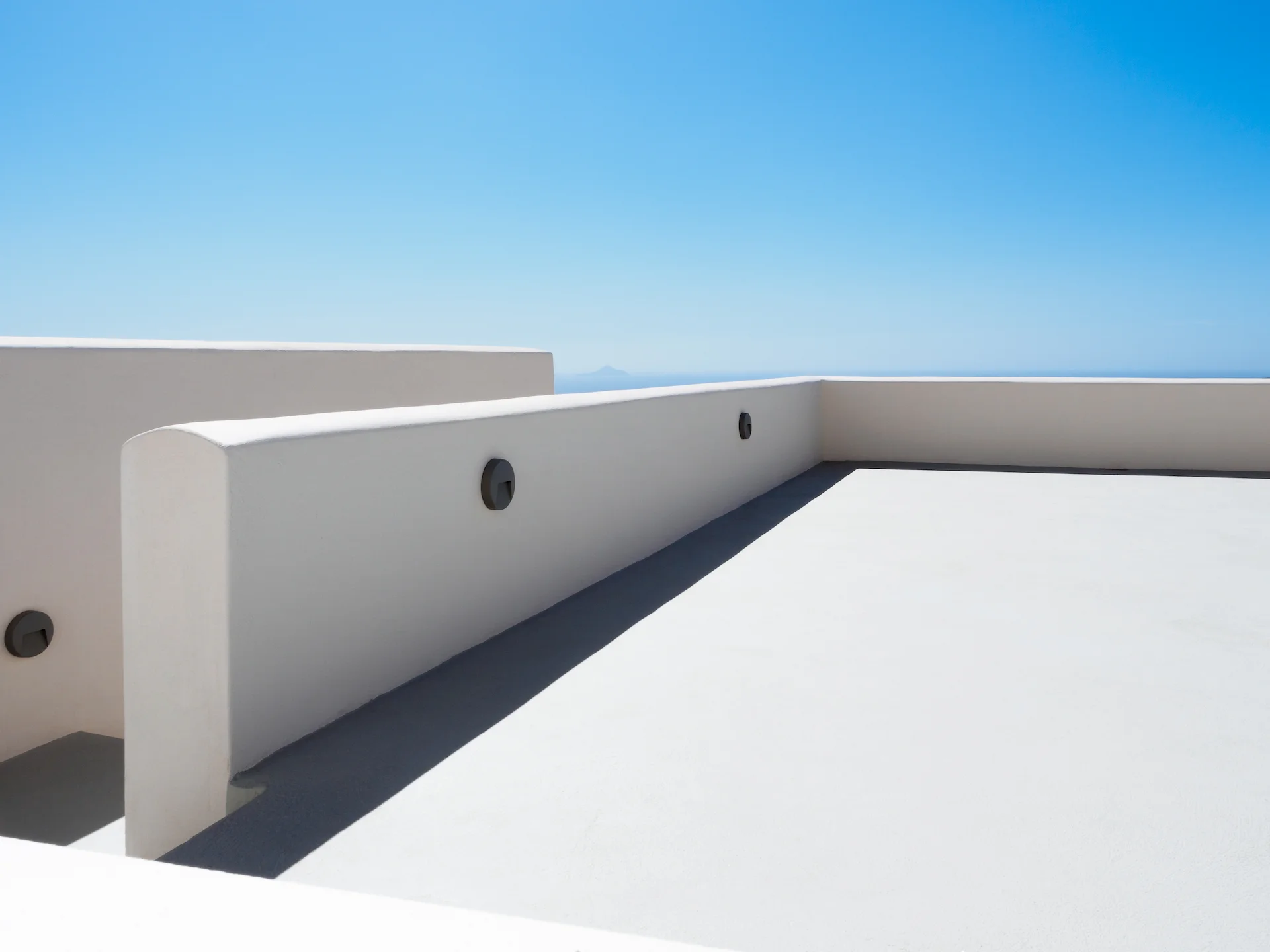
Improper restoration of parapet wall VS Proper restoration of parapet wall
Why Are Parapet Walls So Vulnerable to Leaks?
1. Exposure on Multiple Sides
Unlike most exterior walls, parapets are exposed to weather from nearly every direction. Rain, snow, wind-driven moisture, UV radiation, and freeze-thaw cycles impact both sides of the wall as well as the top surface.
In New England’s climate, repeated moisture absorption followed by freezing temperatures can accelerate masonry deterioration, mortar joint failure, cracking, and displacement.
2. Failed Coping Stones and Caps
The top of a parapet wall is typically protected by coping stones, precast concrete caps, metal coping systems, or stone caps.
Over time, these protective components may:
- Crack
- Shift
- Separate at joints
- Lose sealant adhesion
- Allow water penetration
Once water enters beneath the coping system, it can migrate into the wall assembly and travel significant distances before becoming visible inside the building.
3. Deteriorated Flashing Systems
Proper flashing is one of the most critical waterproofing components of any parapet wall.
When flashing becomes damaged, improperly installed, or reaches the end of its service life, water can infiltrate the wall cavity and enter occupied spaces.
Common flashing failures include:
- Open seams
- Corrosion
- Improper termination details
- Missing counterflashing
- Inadequate integration with roofing systems
Many commercial leaks attributed to roofing failures are actually caused by parapet flashing deficiencies.
4. Cracked Masonry and Open Mortar Joints
Brick, stone, concrete masonry units (CMU), and mortar joints naturally deteriorate over time.
As mortar joints erode and masonry cracks develop, moisture can penetrate deeper into the wall assembly.
Signs of deterioration often include:
- Missing mortar
- Efflorescence
- Spalling brick
- Cracked masonry units
- Interior water staining
Without timely repairs, moisture intrusion can accelerate structural and façade deterioration.
5. Poor Drainage Conditions
Water that remains trapped within parapet assemblies can create significant long-term problems.
Improper drainage may result from:
- Blocked weep systems
- Inadequate flashing design
- Improper coping slopes
- Roofing transitions that direct water toward the wall
Standing moisture dramatically increases the risk of freeze-thaw damage and hidden deterioration.
Common Signs of Parapet Wall Leaks
Property managers should watch for early warning signs including:
- Water stains near top-floor ceilings
- Leaks along perimeter walls
- Peeling paint or blistering finishes
- Efflorescence on interior or exterior masonry
- Rust staining
- Spalled brick or stone
- Cracked coping stones
- Deteriorated sealant joints
- Mold or mildew growth
Many parapet-related leaks appear far from the actual point of water entry, making professional investigation essential.
New England Weather Accelerates Parapet Deterioration
Commercial buildings throughout Massachusetts, Rhode Island, Connecticut, New Hampshire, Maine, and Vermont experience some of the most demanding weather conditions in the country.
Parapet walls must withstand:
- Heavy rain events
- Snow accumulation
- Ice dam formation
- Wind-driven moisture
- Salt exposure in coastal environments
- Repeated freeze-thaw cycling
These conditions place significant stress on masonry, sealants, flashing systems, and coping assemblies, increasing the likelihood of water intrusion.
How ESI Waterproofing & Masonry Restoration Addresses Parapet Wall Leaks
At ESI Waterproofing & Masonry Restoration, Inc., we begin every project with a thorough building envelope assessment that evaluates both exterior and interior conditions.
Our inspection process may include:
- Parapet wall evaluations
- Roof-to-wall transition inspections
- Flashing assessments
- Masonry condition surveys
- Moisture intrusion investigations
- Sealant joint evaluations
- Interior leak source analysis
Based on our findings, we may recommend:
Masonry Restoration
- Tuckpointing and repointing
- Brick replacement
- Stone restoration
- Crack repairs
Waterproofing Improvements
- Exterior masonry waterproofing
- Flashing replacement
- Coping system restoration
- Sealant replacement
Building Envelope Repairs
- Roof-to-wall transition improvements
- Drainage corrections
- Expansion joint repairs
- Preventative maintenance programs
Our goal is not simply to stop active leaks but to address the root causes of water intrusion and extend the service life of the entire building envelope.
The Cost of Waiting
Small parapet wall deficiencies can quickly develop into major repair projects when left unaddressed.
Unchecked water infiltration may lead to:
- Structural deterioration
- Interior damage
- Mold growth
- Increased energy costs
- Tenant complaints
- Emergency repair expenses
- Premature façade restoration needs
Proactive inspections and preventative maintenance are often significantly less expensive than reactive repairs.
Protect Your Building Before Leaks Spread
Parapet walls are one of the most overlooked yet critical components of a commercial building’s waterproofing system. Regular inspections, timely maintenance, and professional restoration can prevent costly damage and preserve the long-term value of your property.
If you manage or own a commercial, institutional, municipal, or multi-family property in Massachusetts or anywhere throughout New England, ESI Waterproofing & Masonry Restoration, Inc. can help identify potential parapet wall issues before they become major problems.
Schedule a Professional Waterproofing and Masonry Inspection
Concerned about leaks along your roofline or parapet walls?