
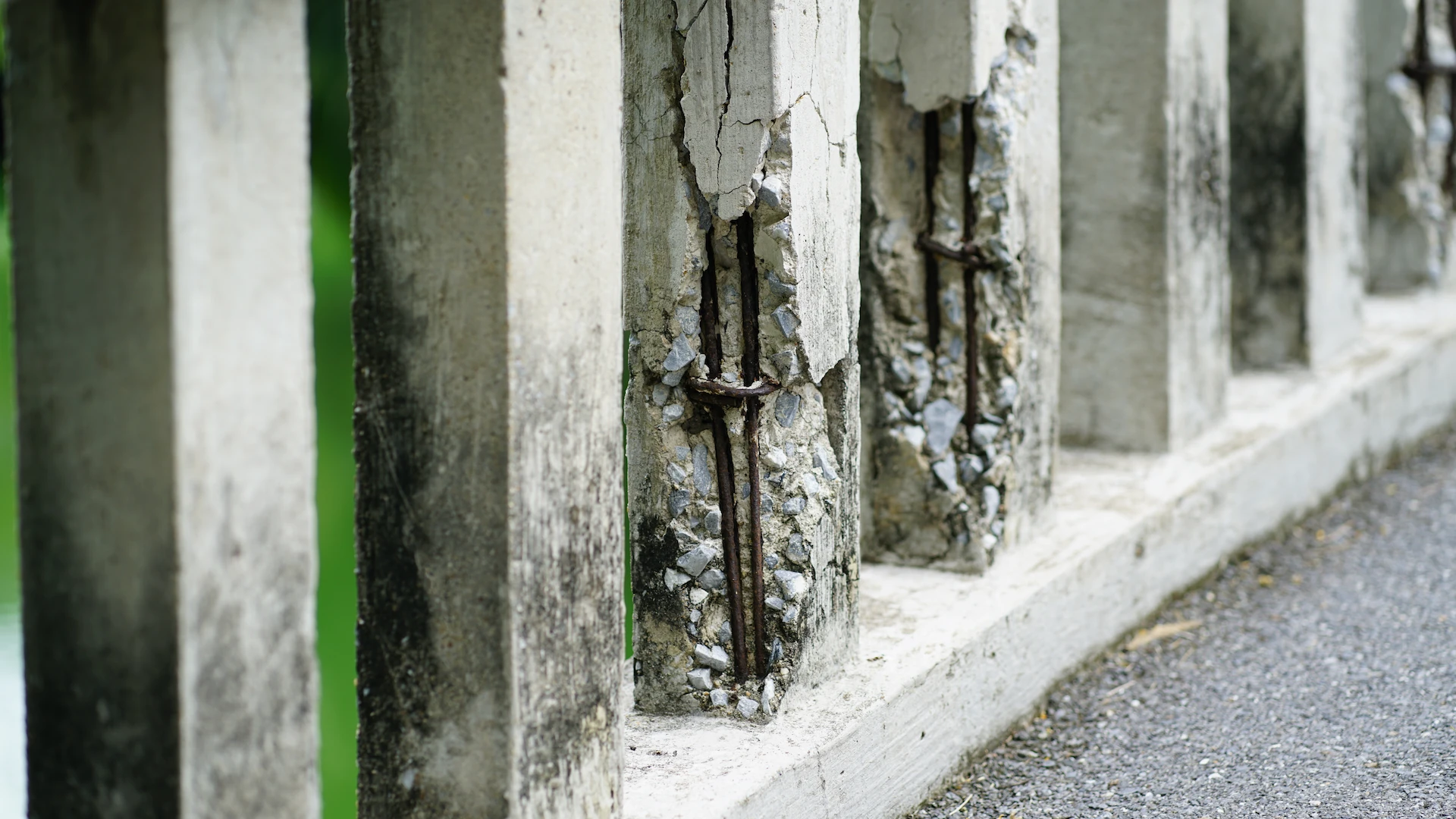
In Massachusetts, commercial buildings face year-round exposure to moisture—from heavy rain and snowmelt to coastal humidity and freeze-thaw cycles. While concrete and masonry are known for their durability, ongoing moisture intrusion can quietly undermine their strength, safety, and longevity. For property managers and commercial owners, understanding how moisture impacts these materials is critical to protecting both assets and occupants.
Understanding Moisture Intrusion in Commercial Buildings
Moisture intrusion occurs when water penetrates a building’s exterior or foundation through cracks, porous materials, failed sealants, or aging waterproofing systems. Common entry points in commercial properties include:
- Cracked or deteriorated concrete
- Aging brick and mortar joints
- Poorly sealed expansion joints
- Failing façade systems
- Inadequate drainage or flashing
In Massachusetts, repeated freeze-thaw cycles can worsen even minor vulnerabilities, allowing moisture problems to escalate quickly.
The Impact of Moisture on Concrete Structures
Concrete may appear solid, but it is naturally porous. When moisture infiltrates concrete in commercial spaces, it can lead to:
1. Cracking and Structural Weakening
Water entering concrete expands when it freezes, causing internal stress. Over time, this leads to cracking, surface deterioration, and reduced load-bearing capacity—especially concerning parking garages, foundations, and structural slabs.
2. Corrosion of Reinforcement
Moisture reaching embedded steel reinforcement (rebar) triggers corrosion. As steel rusts, it expands, causing spalling, where concrete flakes or breaks away. This not only weakens the structure but also creates safety hazards.
3. Interior Damage and Operational Disruption
Moisture intrusion can migrate indoors, leading to damaged flooring, stained walls, and compromised tenant spaces—resulting in tenant complaints, lease disputes, or downtime.
How Moisture Affects Masonry Systems
Brick, stone, and mortar are especially vulnerable to prolonged moisture exposure:
1. Mortar Joint Deterioration
Mortar absorbs moisture faster than brick or stone. When saturated, mortar joints can erode, crack, or crumble, reducing the wall’s overall stability and allowing even more water penetration.
2. Efflorescence and Aesthetic Damage
White, powdery residue on masonry surfaces—known as efflorescence—is a sign of moisture movement. While often seen as cosmetic, it indicates ongoing water infiltration that can lead to deeper structural problems.
3. Freeze-Thaw Damage
In colder Massachusetts winters, trapped moisture expands during freezing, causing brick faces to crack or pop off. Over time, this can lead to widespread façade failure.
Why Moisture Issues Are a Bigger Risk in Massachusetts
Massachusetts commercial buildings are uniquely challenged by:
- Harsh winters and frequent freeze-thaw cycles
- Coastal salt exposure that accelerates corrosion
- Heavy rainfall and snow accumulation
- Aging building stock in urban areas
Without proactive waterproofing and masonry maintenance, moisture-related deterioration can progress rapidly and become costly to repair.
The Role of Professional Waterproofing and Masonry Restoration
Addressing moisture intrusion early is far more cost-effective than reacting to advanced damage. Professional services may include:
- Exterior and foundation waterproofing systems
- Crack injection and concrete repairs
- Tuckpointing and mortar joint restoration
- Masonry sealing and water-repellent coatings
- Façade assessments and preventative maintenance plans
These solutions not only stop active leaks but also extend the lifespan of concrete and masonry systems, preserve property value, and reduce long-term capital expenditures.
Protect Your Commercial Investment
Moisture intrusion is rarely a surface-level issue—it’s a warning sign of deeper vulnerabilities within your building envelope. For Massachusetts property managers and commercial owners, investing in professional waterproofing and masonry restoration is essential to maintaining safe, compliant, and resilient buildings.
If you suspect moisture intrusion or want to proactively protect your property, consult ESI’s trusted waterproofing and masonry restoration specialists to assess risks before small issues become major structural problems.
Avoid costly surprises. Protect your building. Control your capital expenses.
Contact ESI Waterproofing & Masonry Restoration Inc. to develop a preventive repair strategy tailored to your property.