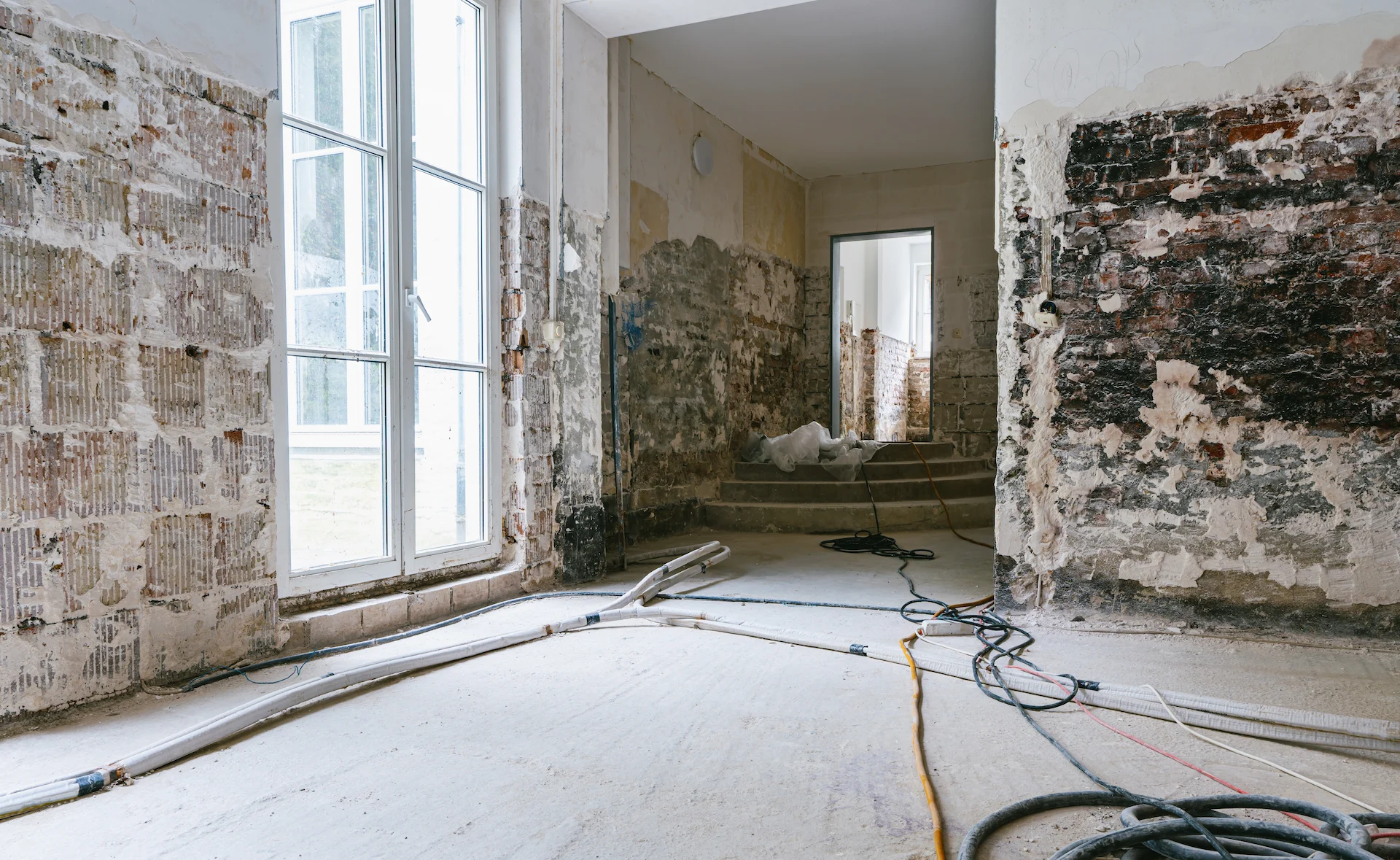
Massachusetts commercial buildings face a unique set of environmental challenges. From heavy coastal moisture and Nor’easters to freeze-thaw cycles and aging infrastructure, water intrusion is one of the most persistent threats to property performance and longevity. Without proper waterproofing, moisture can silently lead to mold growth and serious structural deterioration—costing property owners thousands in repairs and losing tenant confidence.
How Water Intrusion Leads to Mold in Commercial Buildings
Mold thrives in damp, poorly ventilated environments—conditions commonly found in basements, parking garages, mechanical rooms, and behind exterior walls. Even minor water infiltration through cracks in masonry, failing sealants, or compromised foundations can create the perfect breeding ground.
For property managers, mold is more than a maintenance issue. It can lead to:
- Indoor air quality complaints
- Health concerns and potential liability
- Tenant dissatisfaction or lease disputes
- Expensive remediation and downtime
Proactive waterproofing helps eliminate moisture at the source, significantly reducing the conditions that allow mold to develop.
Structural Damage Starts with Moisture
Concrete and masonry may appear solid, but they are porous materials. When water penetrates these surfaces, especially during Massachusetts’ freeze-thaw cycles, it can cause:
- Cracking and spalling of concrete
- Deterioration of brick and mortar joints
- Corrosion of embedded steel reinforcement
- Weakening of load-bearing components
Over time, unchecked moisture intrusion can compromise the structural integrity of a building, leading to major restoration projects that could have been avoided with preventative waterproofing.
Why Waterproofing Is a Smart Investment for Commercial Properties
Professional waterproofing systems are designed to protect buildings from roof to foundation. These solutions may include:
- Foundation and below-grade waterproofing
- Exterior masonry sealing and restoration
- Joint sealant replacement
- Crack injection and concrete repairs
- Drainage and moisture management systems
For commercial property owners, waterproofing offers measurable benefits:
- Extended building lifespan
- Reduced long-term repair costs
- Improved tenant retention
- Protection of asset value
- Compliance with health and safety standards
The Importance of Local Expertise in Massachusetts
Massachusetts buildings—especially historic and coastal properties—require waterproofing solutions that account for local climate conditions, building codes, and construction materials. Working with experienced waterproofing and masonry restoration professionals ensures the right systems are applied correctly and perform reliably year-round.
Prevent Problems Before They Start
Mold and structural damage rarely appear overnight. They develop gradually, often hidden behind walls or beneath surfaces. Routine inspections and proactive waterproofing are the most effective ways to protect your commercial property, reduce liability, and avoid disruptive emergency repairs.
If you manage or own a commercial building in Massachusetts, now is the time to evaluate your waterproofing strategy. Investing in preventative solutions today can save significant time, money, and stress tomorrow.
Reach out to ESI today, to schedule a free quote and assessment with one of our professionals to protect your investment.
Avoid costly surprises. Protect your building. Control your capital expenses.
Contact ESI Waterproofing & Masonry Restoration Inc. to develop a preventive repair strategy tailored to your property.