
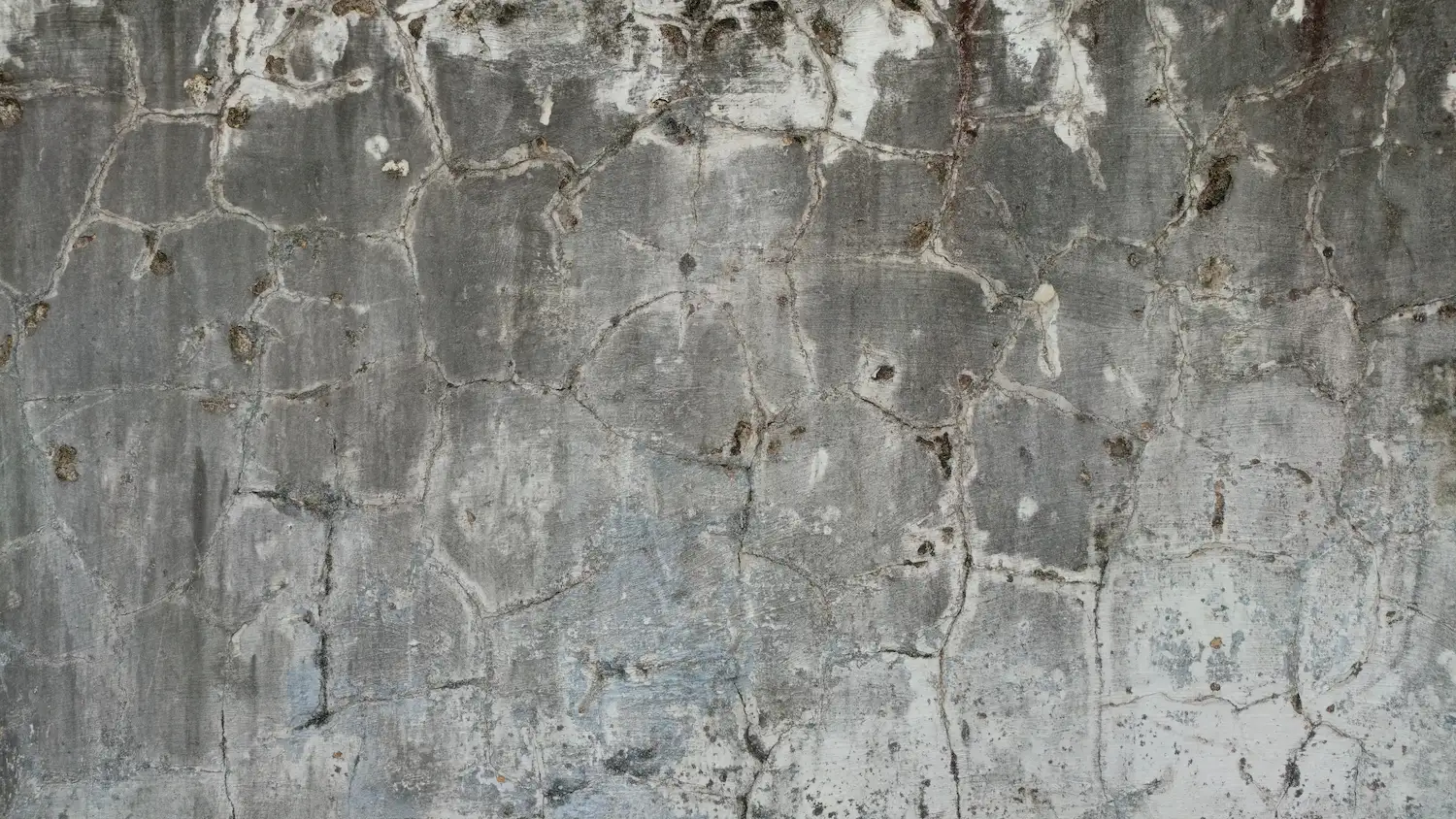
For property managers, facility directors, and commercial building owners across New England, winter weather is more than an inconvenience—it can be a serious threat to the building envelope.
Every winter, commercial properties throughout Massachusetts, Rhode Island, Connecticut, New Hampshire, and the rest of New England are exposed to repeated cycles of freezing temperatures, snow, ice, rain, and moisture. Over time, these conditions can cause significant deterioration to brick masonry, mortar joints, concrete surfaces, foundations, balconies, parapets, parking structures, and other exterior building components.
The problem often begins with something as simple as water entering a small crack, porous masonry unit, deteriorated mortar joint, failed sealant joint, or unprotected concrete surface.
When temperatures drop below freezing, that moisture can freeze and expand. When temperatures rise, it thaws. Repeated over and over, this freeze-thaw cycle can gradually weaken the building materials and create damage that becomes increasingly expensive to repair.
For commercial property owners, understanding freeze-thaw damage—and addressing moisture intrusion before it becomes a larger restoration project—is critical to protecting the building, controlling maintenance costs, and extending the life of the exterior.
What Is a Freeze-Thaw Cycle?
A freeze-thaw cycle occurs when moisture absorbed into or trapped within a building material freezes and subsequently thaws as temperatures fluctuate.
Water expands when it freezes. If water has penetrated porous brick, mortar, concrete, stone, or other masonry materials, the expansion can create internal pressure.
One freeze may not cause noticeable damage.
But New England buildings rarely experience just one freeze.
Winter temperatures can move above and below freezing repeatedly. Each cycle can contribute additional stress to already vulnerable materials.
Over several seasons, this can result in:
- Cracked or fractured brick
- Spalled concrete
- Deteriorated mortar joints
- Scaling concrete surfaces
- Loose masonry
- Efflorescence and moisture staining
- Cracked parapets and walls
- Failed sealants
- Water infiltration
- Corrosion of embedded reinforcement
- Structural deterioration
- Damage to adjacent building-envelope components
For older commercial and historic buildings, the risks can be even greater because decades of exposure, previous repairs, aging mortar, and outdated waterproofing systems may already have weakened the exterior.
Why New England Buildings Are Particularly Vulnerable
New England’s climate creates an especially challenging environment for masonry and concrete.
Commercial buildings may experience:
Rain → Snow → Freeze → Thaw → Refreeze → Repeat
This constant moisture and temperature fluctuation can expose weaknesses throughout the building envelope.
Boston and Greater Boston properties, for example, regularly face winter precipitation combined with freezing temperatures and rapid temperature swings. Coastal properties may also experience additional exposure to wind-driven rain, snow, salt, and moisture.
For property managers, the key issue is that water is often the starting point of the problem.
If masonry remains dry, freezing temperatures alone are generally much less destructive. When water penetrates the material, however, freeze-thaw cycles can turn a minor moisture problem into a progressive deterioration issue.
How Freeze-Thaw Cycles Damage Brick Masonry
Brick is durable, but it is not impervious to moisture.
Masonry walls are designed to manage moisture, but damaged mortar joints, cracks, failed flashing, deteriorated sealants, porous materials, and other deficiencies can allow water to enter the wall assembly.
Once moisture becomes trapped within vulnerable masonry, freezing temperatures can cause internal expansion.
Over time, property managers may notice:
1. Cracked Brick
Repeated freezing and thawing can contribute to cracking or fracturing of masonry units.
Cracked brick should not simply be covered or painted over. The underlying source of moisture should be investigated.
2. Spalled Brick
Brick spalling occurs when the face of the brick begins to break away.
You may see:
- Flaking surfaces
- Chipped brick faces
- Pieces separating from the masonry
- Rough or deteriorated surfaces
Spalling can allow even more moisture to enter the masonry, accelerating the deterioration cycle.
3. Deteriorated Mortar Joints
Mortar joints are particularly important to the performance of a masonry wall.
When mortar becomes cracked, recessed, washed out, or otherwise deteriorated, water can gain easier access to the wall system.
Professional mortar joint cutting and repointing can help restore deteriorated masonry joints while addressing moisture-management concerns.
4. Efflorescence
White, powdery deposits appearing on masonry can indicate that moisture is moving through the wall and carrying soluble salts toward the surface.
Efflorescence itself may not always indicate severe structural damage, but it can be an important warning sign that moisture is entering or moving through the masonry assembly.
How Freeze-Thaw Cycles Damage Concrete
Concrete is also vulnerable to repeated moisture and temperature fluctuations.
When water enters concrete and freezes, expansion can create internal pressure. Repeated cycles can contribute to cracking, scaling, surface deterioration, and eventually spalling.
This is particularly important for commercial properties with:
- Parking garages
- Concrete decks
- Balconies
- Loading docks
- Concrete stairs
- Foundations
- Retaining walls
- Exterior slabs
- Structural concrete
- Concrete masonry units
Concrete Spalling: A Major Warning Sign
Spalling occurs when deteriorated concrete breaks away from the surface.
In reinforced concrete, moisture can also contribute to corrosion of embedded reinforcing steel. As reinforcement corrodes, the resulting expansion can place additional pressure on the surrounding concrete and contribute to cracking and spalling.
A small area of deterioration may therefore be more than a cosmetic problem.
For commercial property owners, identifying the underlying cause early can help prevent localized deterioration from developing into a larger and more expensive restoration project.
The Hidden Cost of Ignoring Freeze-Thaw Damage
One of the biggest mistakes property owners can make is treating masonry deterioration as purely cosmetic.
A cracked brick, deteriorated mortar joint, or small concrete spall may be the visible symptom of a larger moisture-management problem.
Ignoring the issue can allow water to migrate farther into the building envelope.
That can potentially lead to:
- More extensive masonry deterioration
- Interior water damage
- Damaged finishes
- Corrosion
- Failed sealants and flashing
- Increased heating and cooling demands
- Larger restoration scopes
- Disruption to tenants and occupants
- Increased long-term maintenance costs
The longer moisture remains uncontrolled, the greater the potential for damage to spread.
Why Waterproofing Is an Important Part of Freeze-Thaw Protection
Masonry restoration and waterproofing should not always be treated as separate issues.
If deteriorated masonry is repaired but the source of moisture intrusion remains, the building may continue to experience deterioration.
A comprehensive restoration strategy may include evaluating:
- Mortar joints
- Masonry cracks
- Flashing
- Copings
- Roof-to-wall transitions
- Expansion joints
- Control joints
- Sealants
- Wall penetrations
- Window and door openings
- Parapets
- Waterproof coatings
- Drainage conditions
Commercial waterproofing can help reduce water infiltration and protect vulnerable portions of the building envelope.
Depending on the building and its existing conditions, solutions may include breathable waterproof coatings, brick sealing, commercial caulking, flashing repairs, sealant replacement, waterproof membranes, traffic coatings, or other building-envelope repairs.
The correct solution depends on the existing construction, source of moisture, material condition, and project requirements.
Historic Buildings Require Special Attention
New England is home to some of the country’s oldest commercial, institutional, residential, and civic buildings.
Historic masonry can present unique restoration challenges.
Older buildings may contain:
- Historic brick
- Lime-based mortar
- Ornamental masonry
- Terra cotta
- Cast stone
- Granite
- Historic flashing systems
- Unique wall assemblies
- Previous incompatible repairs
Using the wrong repair material can potentially cause additional deterioration.
For historic properties, restoration should focus on understanding the existing construction and selecting compatible repair methods and materials.
ESI Waterproofing & Masonry Restoration, Inc. provides historic building restoration services, including brick pinning and stabilization, concrete restoration and replacement, flashing system installation, historic waterproofing, historical restoration cleaning systems, and mortar joint cutting and repointing.
Freeze-Thaw Damage Can Affect More Than Masonry
Moisture-related deterioration does not stop at brick and concrete.
Water intrusion can affect multiple components of a building envelope.
For commercial properties, property managers should consider inspecting:
EIFS and Stucco
Cracking, failed sealants, or moisture intrusion around EIFS and stucco systems can contribute to deterioration behind the visible exterior.
ESI provides EIFS repair, new EIFS installation, and EIFS/stucco repair services for commercial properties.
Clapboard and PVC Siding
Moisture infiltration behind siding can damage substrates and surrounding building-envelope components.
ESI also provides clapboard and PVC siding replacement as part of its exterior restoration services.
Flashing and Copings
Poorly functioning or deteriorated flashing and coping systems can allow water to enter masonry walls.
These areas deserve particular attention before and after New England’s winter season.
Warning Signs Property Managers Should Not Ignore
If you manage a commercial property in Massachusetts or throughout New England, look for these warning signs:
Brick & Masonry
- Cracked bricks
- Bulging masonry
- Loose bricks
- Spalled brick faces
- Missing mortar
- Recessed mortar joints
- White staining
- Damp masonry
- Cracking around windows and doors
Concrete
- Surface scaling
- Cracks
- Spalling
- Exposed reinforcement
- Rust staining
- Deteriorating edges
- Damaged balconies
- Deteriorated parking structures
Building Envelope
- Water stains
- Failed caulking
- Deteriorated flashing
- Leaking windows
- Moisture around penetrations
- Deteriorated parapets
- Interior water intrusion
If you are seeing multiple warning signs, it may be time for a professional building-envelope or masonry assessment.
Why Preventive Masonry Restoration Makes Financial Sense
For commercial property owners, preventive maintenance isn’t simply about aesthetics.
It is about asset preservation.
Addressing deteriorated masonry, concrete, sealants, flashing, and waterproofing before conditions become severe can help property managers:
- Extend the service life of exterior materials
- Reduce emergency repair needs
- Protect tenant spaces
- Reduce water intrusion
- Improve building-envelope performance
- Plan capital expenditures more effectively
- Minimize operational disruptions
- Preserve historic architectural details
- Protect the long-term value of the property
Instead of waiting for winter damage to become an emergency, property managers can use inspections and preventative restoration to identify problems before the next freeze-thaw season.
Why New England Property Owners Choose ESI Waterproofing & Masonry Restoration, Inc.
ESI is a New England-based contractor specializing in commercial masonry restoration, waterproofing, concrete restoration, historic restoration, EIFS repair, stucco repair, and siding replacement.
ESI’s service capabilities include:
- Commercial masonry repair
- Brick and stone restoration
- Mortar joint cutting and repointing
- Brick pinning and stabilization
- Concrete restoration and replacement
- Spalling concrete repair
- Commercial waterproofing
- Breathable waterproof coatings
- Brick sealing
- Commercial caulking
- Flashing and coping repairs
- Waterproof membranes
- Historic waterproofing
- Historic building restoration
- EIFS repair and installation
- EIFS/stucco repair
- Clapboard siding replacement
- PVC siding replacement
ESI is also DCAMM-certified. Massachusetts requires contractor certification when a Massachusetts public agency solicits bids for certain vertical construction projects under M.G.L. Chapters 149 or 149A meeting applicable cost thresholds.
ESI works on projects ranging from condominium repairs to large-scale commercial restoration projects, bringing extensive experience in masonry, waterproofing, historic restoration, concrete, and EIFS.
Don’t Wait for the Next Freeze to Reveal the Problem
If your commercial property has cracked brick, deteriorated mortar, concrete spalling, water infiltration, failed sealants, damaged flashing, or other signs of exterior deterioration, addressing the issue before another winter can help prevent a small problem from becoming a major restoration project.
ESI Waterproofing & Masonry Restoration, Inc. can evaluate your property’s masonry, concrete, waterproofing, and building-envelope conditions and develop a restoration strategy based on the building’s specific needs.
Whether you manage a commercial office building, condominium, apartment complex, institutional property, historic structure, parking facility, or other commercial asset, ESI can help identify and address moisture-related deterioration.
Request a Free Inspection & Estimate from ESI Waterproofing & Masonry Restoration, Inc.
Call (617) 265-7222 or visit ESI Waterproofing & Masonry Restoration to discuss your commercial masonry restoration or waterproofing needs.
Serving commercial property owners, facility managers, and property managers throughout Greater Boston and New England.