
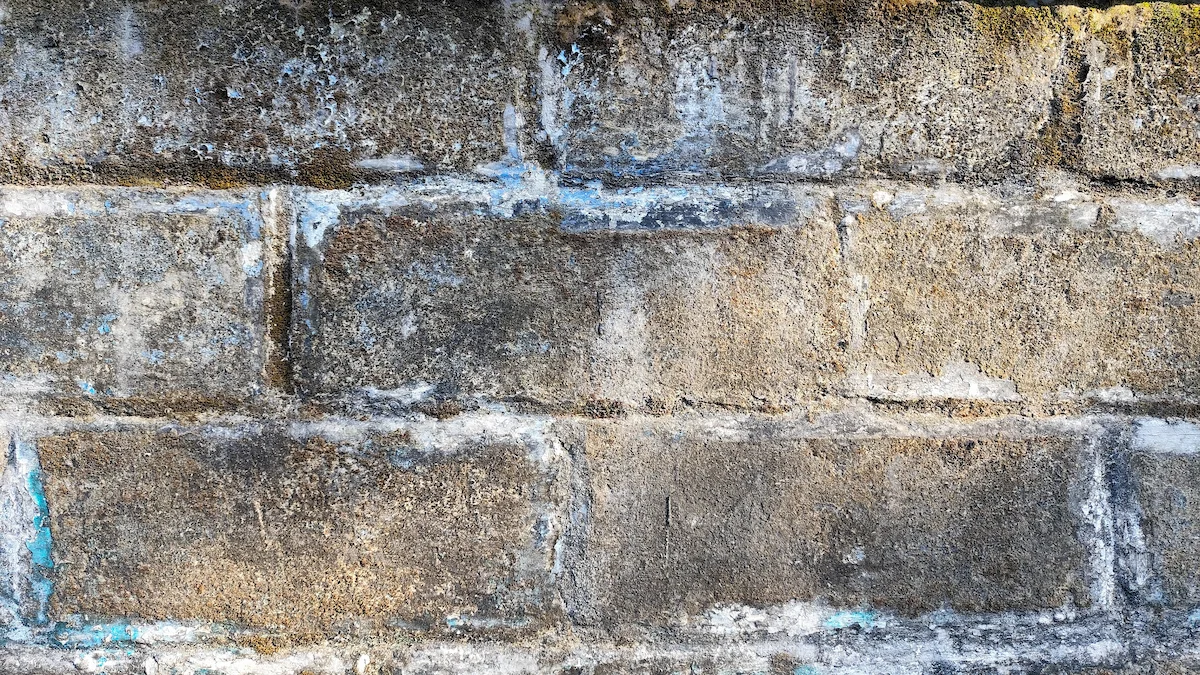
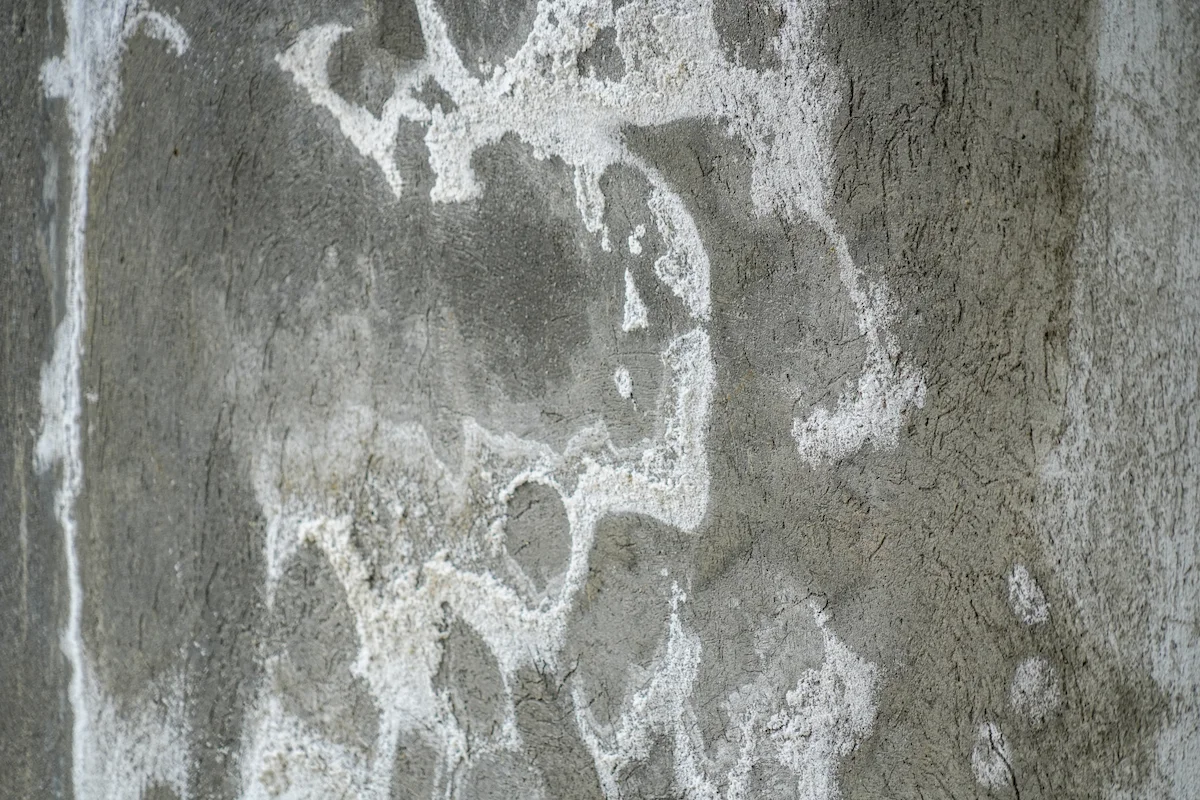
If you’ve noticed a white, chalky substance appearing on your commercial building’s brick or masonry surfaces, you’re likely seeing efflorescence. While many property managers assume it’s merely a cosmetic issue, efflorescence is often a warning sign that moisture is moving through your masonry system.
For commercial buildings throughout Massachusetts and New England, where freeze-thaw cycles, wind-driven rain, snow accumulation, and fluctuating temperatures place significant stress on exterior walls, understanding the causes of efflorescence can help prevent expensive masonry deterioration and structural repairs.
At ESI Waterproofing & Masonry Restoration, Inc., we frequently help property owners identify the root causes of efflorescence and implement long-term waterproofing solutions that protect building envelopes from ongoing moisture intrusion.
What Is Efflorescence?
Efflorescence is a white, powdery deposit that forms on masonry surfaces when water moves through brick, concrete, stone, mortar, or masonry block.
As moisture travels through porous building materials, it dissolves naturally occurring salts contained within the masonry. When the water reaches the surface and evaporates, the salts remain behind, creating the visible white staining.
Efflorescence itself is not usually damaging, but it often indicates a larger moisture management issue that should not be ignored.
Why Does Efflorescence Occur?
Three conditions must exist for efflorescence to develop:
1. Water-Soluble Salts
Most masonry materials naturally contain mineral salts.
2. Moisture
Water enters the wall system through:
- Cracked mortar joints
- Failed sealants
- Deteriorated flashing
- Roof drainage issues
- Leaking coping stones
- Window perimeter failures
- Foundation moisture intrusion
3. A Path to the Surface
The water carries dissolved salts through the masonry and deposits them when evaporation occurs.
When all three factors are present, efflorescence becomes visible on the building exterior.
Common Causes of Efflorescence in New England Commercial Buildings
Failed Mortar Joints
As mortar ages, it develops cracks and voids that allow water infiltration. This is especially common in historic brick buildings throughout Massachusetts.
Professional tuckpointing and repointing services can help restore the wall’s resistance to moisture penetration.
Defective Coping Stones and Parapet Walls
Parapet walls are frequently exposed to weather on multiple sides and often become major sources of water intrusion.
When coping stones develop open joints or deteriorated sealants, moisture enters the wall assembly and migrates downward, leading to efflorescence and masonry damage.
Roof Drainage Problems
Overflowing gutters, clogged roof drains, and improperly directed downspouts can saturate masonry walls.
Excess moisture creates ideal conditions for salt migration and efflorescence development.
Failed Waterproofing Systems
Many commercial buildings have aging waterproofing systems that no longer provide adequate protection against moisture intrusion.
As water repeatedly penetrates the building envelope, efflorescence often becomes one of the first visible warning signs.
Freeze-Thaw Damage
New England’s climate creates one of the most aggressive environments for masonry deterioration.
When water enters masonry and freezes, it expands approximately nine percent in volume. Repeated freeze-thaw cycles can cause:
- Cracked brick
- Spalled masonry surfaces
- Open mortar joints
- Structural deterioration
These conditions increase moisture penetration and accelerate efflorescence formation.
Why Property Managers Should Take Efflorescence Seriously
Many building owners view efflorescence as an aesthetic concern. However, it often signals hidden moisture issues that can lead to:
- Masonry deterioration
- Interior water leaks
- Mold growth
- Corrosion of embedded steel
- Structural damage
- Reduced property value
- Increased maintenance costs
Addressing moisture infiltration early can significantly reduce long-term repair expenses.
How Efflorescence Relates to Building Envelope Performance
A properly functioning building envelope should control water penetration and moisture migration.
According to modern building envelope principles reflected within the Massachusetts State Building Code and the International Building Code (IBC), exterior wall systems must be designed and maintained to resist weather exposure and prevent moisture accumulation within wall assemblies.
When efflorescence appears, it often indicates that one or more components of the building envelope may be failing, including:
- Flashing systems
- Expansion joints
- Sealant joints
- Waterproof coatings
- Mortar joints
- Coping systems
Professional evaluation can help identify the source before more significant deterioration occurs.
Long-Term Solutions for Efflorescence
At ESI Waterproofing & Masonry Restoration, Inc., our approach focuses on eliminating moisture infiltration rather than simply removing visible staining.
Common corrective measures include:
Masonry Repointing and Tuckpointing– Replacing deteriorated mortar joints to restore weather resistance.
Sealant Replacement– Removing failed caulking and installing high-performance sealant systems.
Coping Stone Repairs– Restoring coping joints and waterproofing parapet assemblies.
Waterproofing Applications– Applying breathable masonry water repellents designed to reduce moisture absorption while allowing vapor transmission.
Flashing Repairs– Correcting flashing deficiencies that allow water infiltration.
Comprehensive Building Envelope Restoration– Addressing multiple sources of water intrusion through coordinated repair programs.
Trust ESI Waterproofing & Masonry Restoration, Inc. for Expert Moisture Intrusion Solutions
Efflorescence is often your building’s first visible warning sign that moisture is moving where it shouldn’t. Ignoring white staining today can lead to costly structural repairs tomorrow.
ESI Waterproofing & Masonry Restoration, Inc. specializes in identifying and correcting the root causes of masonry moisture intrusion throughout
Massachusetts and New England. Our experienced team provides comprehensive waterproofing, masonry restoration, tuckpointing, sealant replacement, façade repairs, and building envelope restoration services designed to extend the life of commercial properties.
Whether you’re managing an office building, educational facility, healthcare campus, industrial property, condominium complex, or parking structure, we can help develop a customized solution to protect your investment.
Schedule a Commercial Masonry Evaluation
If your building is showing signs of efflorescence, water intrusion, cracking mortar, or masonry deterioration, contact ESI Waterproofing & Masonry Restoration, Inc. today.
Our team can perform a comprehensive building envelope assessment and recommend cost-effective solutions that address the source of the problem—not just the symptoms.