
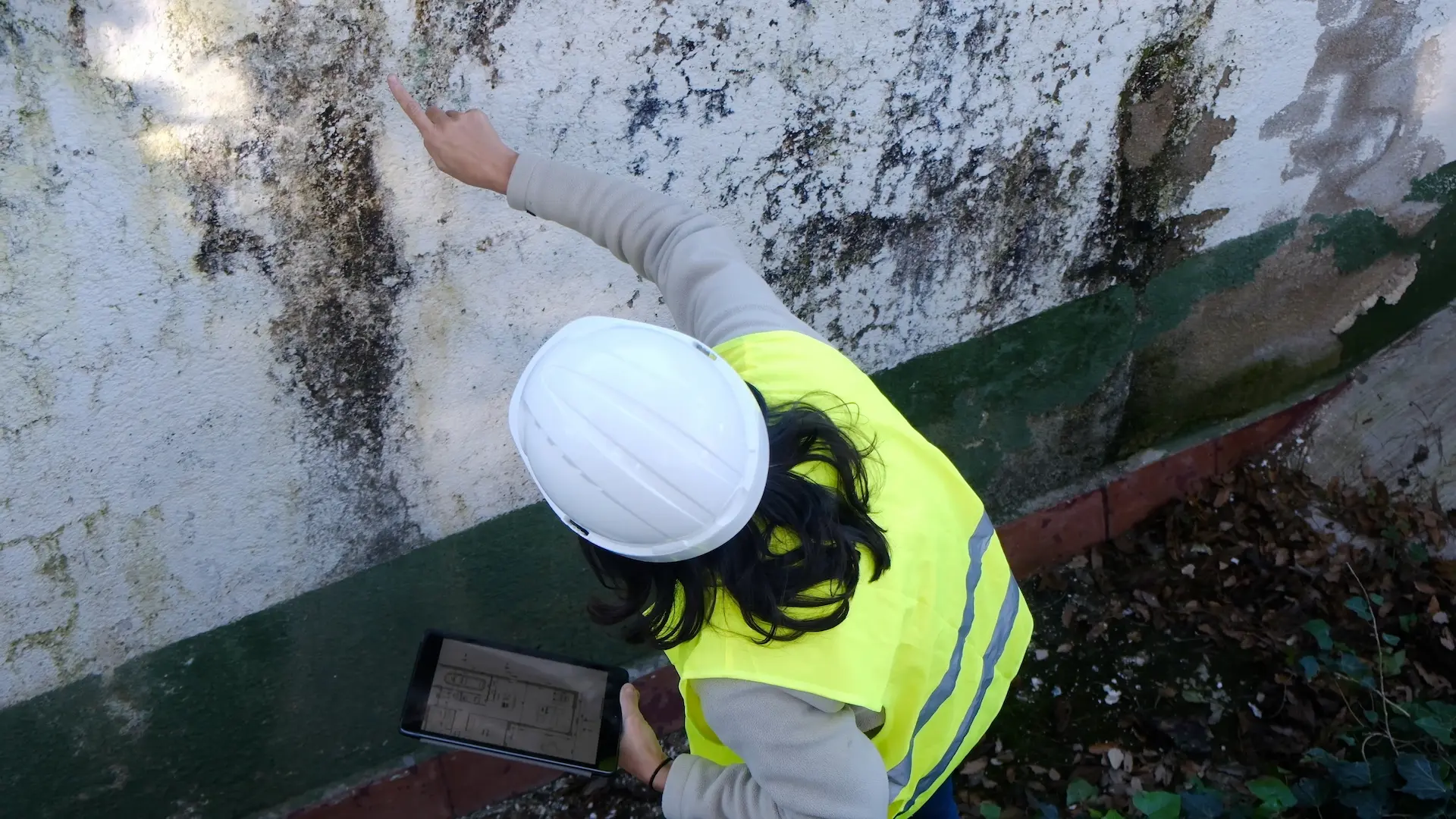
Commercial property managers and building owners throughout Massachusetts and New England face unique challenges when it comes to maintaining building exteriors. Freeze-thaw cycles, coastal moisture, snow, salt exposure, and seasonal temperature swings accelerate deterioration across all facade systems—including masonry, EIFS (EFS), stucco, and PVC siding assemblies.
Annual facade inspections are essential to protecting property value, maintaining tenant safety, and preventing costly structural repairs.
At ESI Waterproofing & Masonry Restoration, Inc., we specialize in identifying early-stage facade failures before they become major waterproofing, structural, or liability issues.
Why Annual Facade Inspections Are Critical
A building’s facade is its first defense against water intrusion and environmental damage. Without routine inspection, small defects can quickly escalate into system-wide failures.
Annual inspections help:
- Detect hidden water intrusion
- Prevent costly emergency repairs
- Extend lifespan of EIFS, stucco, masonry, and siding systems
- Improve tenant safety and reduce liability
- Support capital planning and reserve studies
- Maintain compliance with building maintenance standards
1. Masonry, EIFS (EFS), Stucco & PVC Siding Condition
Each exterior system has unique failure patterns that must be evaluated annually:
Masonry (Brick & Stone)
- Cracks (vertical, horizontal, stair-step)
- Spalling brick
- Deteriorated mortar joints
- Moisture penetration behind walls
EIFS (Exterior Insulation and Finish Systems / EFS)
- Impact damage
- Delamination or soft spots
- Cracking at seams
- Moisture intrusion behind foam insulation
- Failed sealant transitions
Stucco Systems
- Hairline cracking
- Bulging or hollow-sounding areas
- Water staining
- Surface separation from substrate
PVC Siding
- Loose or warped panels
- Improper fastening or detachment
- Impact damage
- Water intrusion behind siding layers
- Seal failure at joints and transitions
Even minor damage in these systems can allow water to penetrate the building envelope, leading to hidden structural deterioration.
2. Water Intrusion & Moisture Detection
Water infiltration is one of the most costly and common issues in New England buildings.
Inspect for:
- Efflorescence (white staining)
- Interior water stains
- Mold or mildew
- Damp insulation or wall cavities
- Rusting metal components
- Sealant failure at transitions
EIFS, stucco, and siding systems are especially vulnerable when drainage planes or barriers are compromised.
3. Sealants, Joints & Transitions
Sealant systems are critical across all facade types.
Inspect:
- Window perimeters
- EIFS transitions
- Stucco control joints
- PVC siding seams
- Expansion joints
- Door frames and penetrations
Failure in these areas is one of the leading causes of facade leaks.
4. Flashing & Water Management Systems
Proper flashing ensures water is directed away from vulnerable areas.
Inspect:
- Window and door flashing
- Roof-to-wall transitions
- Coping and parapets
- Shelf angles in masonry
- Drainage planes behind EIFS or siding systems
Improper or failed flashing can trap moisture inside wall assemblies.
5. Concrete & Structural Elements
Inspect for:
- Cracking and spalling
- Exposed rebar
- Rust staining
- Movement or deflection
- Joint separation
Freeze-thaw cycles in New England significantly accelerate concrete deterioration.
6. Safety Hazards & Loose Materials
Facade inspections must always prioritize life safety risks.
Look for:
- Loose masonry or veneer
- Detached EIFS or stucco sections
- Hanging siding panels
- Falling debris hazards
- Corroded anchors or fasteners
These conditions can pose immediate risks to pedestrians and tenants.
7. Parapets, Roof Edges & High-Exposure Areas
These areas experience the most extreme weather exposure.
Inspect for:
- Open joints
- Cracked coping stones
- Failed sealants
- Water infiltration at roofline transitions
- Deteriorated flashing systems
Massachusetts & New England Code References
Property managers should be aware of applicable regional standards:
Massachusetts State Building Code (780 CMR)
Requires buildings to be maintained in a safe, serviceable condition and free from hazardous exterior conditions.
International Existing Building Code (IEBC)
Frequently referenced for repair, rehabilitation, and maintenance of existing structures.
ASTM Standards
- ASTM E2270 – Periodic Facade Inspection Guidelines
- ASTM E2128 – Water Leakage Evaluation of Building Walls
These standards are commonly used in professional facade assessments across New England.
Why EIFS, Stucco & PVC Siding Fail in New England
These systems are especially vulnerable due to:
- Freeze-thaw cycling
- Improper installation details
- Aging sealants
- UV exposure
- Lack of drainage plane design
- Coastal moisture and salt exposure
Early detection is key to preventing full system failure.
Partner with ESI Waterproofing & Masonry Restoration, Inc.
ESI provides comprehensive facade inspection and restoration services across Massachusetts and New England, specializing in:
- EIFS (EFS) repair and restoration
- Stucco repair and remediation
- PVC siding inspection and replacement
- Masonry restoration and repointing
- Waterproofing systems
- Sealant replacement
- Building envelope diagnostics
- Leak investigation and repair
We help property managers protect assets, reduce long-term costs, and maintain safe, compliant buildings.
Schedule a Free Inspection & Estimate
If your building has not had a professional facade inspection in the past 12 months, now is the time to act.
Protect your property from hidden deterioration before it becomes a major repair expense.