
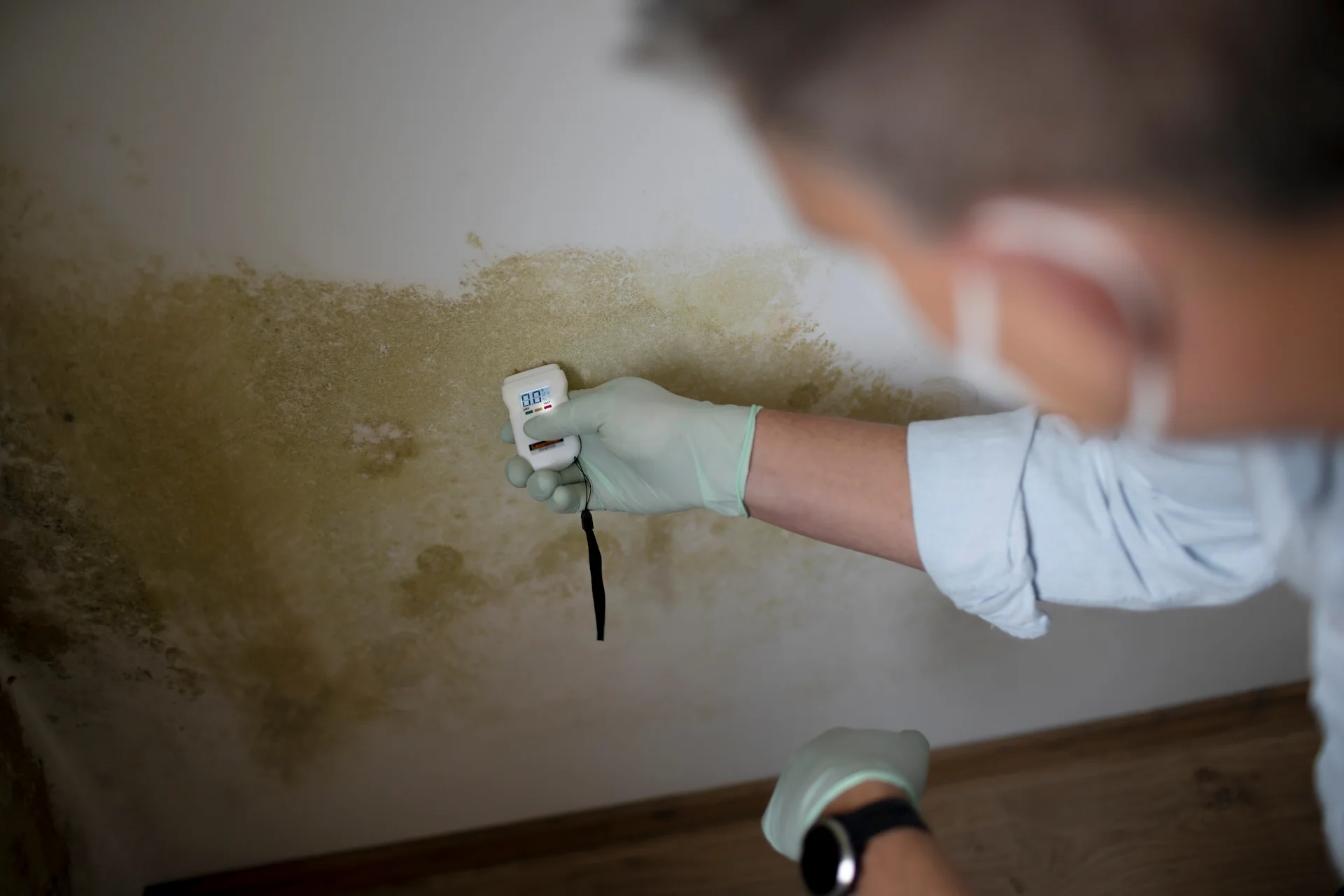
For commercial property owners and managers throughout New England, water intrusion is more than an exterior maintenance issue—it is a direct threat to tenant satisfaction, indoor air quality, building performance, and long-term asset value.
A small leak around a masonry wall, expansion joint, window opening, roof transition, or deteriorating façade system can allow moisture to enter unnoticed. Over time, trapped water can create the ideal environment for mold growth, interior deterioration, and costly tenant complaints.
At ESI Waterproofing & Masonry Restoration Inc., we help commercial property owners throughout Massachusetts and New England identify the source of water infiltration and implement long-lasting solutions through professional waterproofing, masonry restoration, concrete repair, EIFS repair, stucco restoration, siding replacement, and historic building restoration.
The Connection Between Water Intrusion and Interior Mold Growth
Mold does not require standing water to develop. It only requires:
- Moisture
- Organic materials such as drywall, wood, insulation, or paper products
- Limited airflow
- Time
When water penetrates through a commercial building envelope, moisture can become trapped behind walls, within insulation, or beneath interior finishes. These hidden moisture conditions often go unnoticed until occupants begin experiencing issues.
Common warning signs include:
- Musty odors
- Visible staining on ceilings or walls
- Peeling paint or bubbling finishes
- Discoloration around windows
- Warped drywall or flooring
- Increased tenant complaints about air quality
- Recurring maintenance calls after storms
In many cases, the visible interior damage is only a symptom—the underlying cause is a failure in the exterior building envelope.
Common Sources of Water Penetration in Commercial Properties
New England buildings face some of the harshest weather conditions in the country. Freeze-thaw cycles, heavy rain, snow accumulation, humidity, and temperature swings continuously challenge exterior building systems.
Common causes of water infiltration include:
1. Deteriorated Masonry and Mortar Joints
Brick and masonry structures rely on properly maintained mortar joints to prevent moisture intrusion. Over time, mortar can deteriorate due to:
- Freeze-thaw damage
- Water absorption
- Aging materials
- Improper previous repairs
Failing mortar joints allow water to enter the wall assembly, leading to interior damage and potential mold growth.
ESI provides professional masonry restoration services including repointing, brick repair, historic masonry restoration, and façade rehabilitation designed to restore the protective function of masonry systems.
2. Failed Waterproofing Systems
Many commercial properties rely on waterproof membranes, coatings, sealants, and drainage systems to keep moisture outside.
When waterproofing systems fail, water can migrate into:
- Below-grade foundations
- Parking structures
- Concrete walls
- Plaza decks
- Mechanical rooms
- Subgrade spaces
Hydrostatic pressure from groundwater can worsen these issues, forcing moisture through cracks, joints, and porous materials.
ESI specializes in diagnosing and repairing waterproofing failures to help commercial buildings remain protected through New England’s changing seasons.
3. EIFS and Stucco Failure
Exterior Insulation and Finish Systems (EIFS) and stucco assemblies can provide excellent energy efficiency and weather protection when properly installed and maintained.
However, damaged sealants, cracks, impact damage, or improper drainage can allow water behind the system.
Signs of EIFS or stucco moisture problems include:
- Soft or damaged wall areas
- Cracking
- Staining
- Interior moisture damage
- Mold growth behind finishes
ESI provides EIFS repair, stucco restoration, and exterior wall rehabilitation services to help restore commercial building envelopes.
4. Aging Siding Systems
Commercial PVC and clapboard siding systems can deteriorate over time due to weather exposure, failed flashing, or improper installation.
Potential issues include:
- Loose siding panels
- Failed flashing details
- Water intrusion around penetrations
- Moisture behind wall assemblies
ESI assists commercial property owners with PVC siding replacement, clapboard siding repairs, and exterior restoration solutions designed for New England conditions.
How Water Damage Creates Tenant Complaints
For commercial property managers, water intrusion quickly becomes an operational problem.
Tenants expect safe, comfortable, and functional spaces. When moisture issues occur, complaints may involve:
- Unpleasant odors
- Visible mold concerns
- Temperature and humidity issues
- Damaged workspaces
- Disrupted business operations
Even minor leaks can impact tenant retention and create reputational concerns for property owners.
- Emergency repair costs
- Tenant disruption
- Interior restoration expenses
- Potential liability concerns
- Long-term structural deterioration
Massachusetts Building Code Considerations for Moisture Protection
Commercial properties in Massachusetts must comply with applicable requirements under the Massachusetts State Building Code (780 CMR), which incorporates provisions related to weather protection, exterior wall assemblies, drainage, and moisture control.
Building envelope requirements emphasize:
- Protection from water intrusion
- Proper drainage planes
- Weather-resistant barriers
- Durable exterior materials
- Proper flashing and sealing details
Additionally, Massachusetts follows standards influenced by the International Building Code (IBC) and International Existing Building Code (IEBC) for existing commercial structures and renovations.
For commercial owners, proactive façade inspections and waterproofing maintenance are critical components of responsible building ownership.
Why Preventative Building Envelope Maintenance Matters in New England
Waiting until tenant’s report leaks or mold concerns often means the damage has already progressed.
Routine inspections can identify:
- Cracked masonry
- Failed sealants
- Deteriorated concrete
- Damaged waterproofing systems
- EIFS moisture issues
- Siding failures
- Foundation water intrusion
A proactive maintenance approach allows property owners to address problems before they become major capital expenses.
Why Commercial Property Owners Choose ESI Waterproofing & Masonry Restoration Inc.
For decades, ESI Waterproofing & Masonry Restoration Inc. has helped commercial property owners, facility managers, municipalities, and building stakeholders throughout New England protect their investments.
Our expertise includes:
- Commercial waterproofing
- Masonry restoration
- Concrete restoration
- Historic restoration
- EIFS repair and installation
- Stucco repair
- PVC siding replacement
- Clapboard siding restoration
- Building envelope repairs
- Exterior façade rehabilitation
Our team understands the unique challenges New England properties face—from coastal exposure and harsh winters to aging masonry structures and historic buildings.
Whether your property is experiencing active water intrusion or you want to prevent future damage, ESI provides solutions designed for long-term performance.
Protect Your Commercial Property Before Water Damage Becomes a Tenant Issue
Water infiltration rarely fixes itself. Small exterior deficiencies can quickly become interior mold concerns, tenant complaints, and expensive restoration projects.
If your commercial building is showing signs of moisture intrusion, contact ESI Waterproofing & Masonry Restoration Inc. for a free, professional evaluation and restoration solutions.