
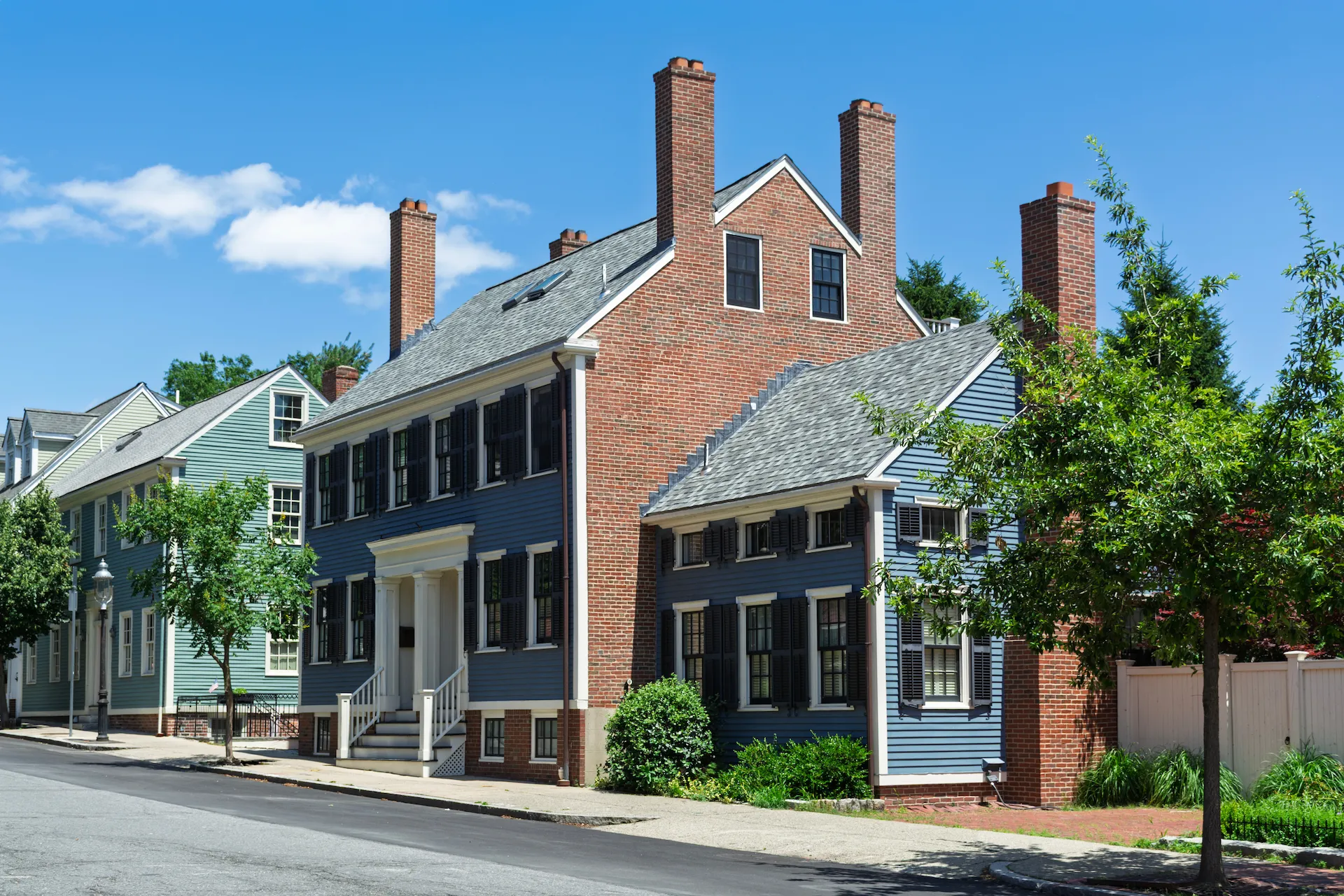
Historic buildings throughout New England tell the story of our communities through their craftsmanship, architecture, and traditional materials. From colonial-era structures to historic commercial properties, wood clapboard siding has long been a defining feature of the region’s architectural character.
However, decades of exposure to harsh New England weather—including freeze-thaw cycles, heavy precipitation, humidity, wind-driven rain, and temperature fluctuations—can significantly deteriorate exterior siding systems.
For property managers and commercial building owners, replacing historic clapboard siding is not simply an exterior improvement project. It requires careful consideration of preservation standards, building codes, moisture management, material selection, and long-term building performance.
At ESI Waterproofing & Masonry Restoration Inc., we understand that historic siding replacement requires a balance between maintaining architectural integrity and improving the building’s protection against water intrusion and environmental damage.
With decades of experience providing historic restoration, masonry restoration, waterproofing, concrete restoration, EIFS repair, stucco repair, and clapboard and PVC siding replacement, ESI helps commercial property owners throughout Massachusetts and New England preserve and protect their investments.
Why Historic Clapboard Siding Replacement Requires Specialized Expertise
Traditional clapboard siding serves more than an aesthetic purpose. It is a critical component of a building’s exterior envelope, helping protect structural components from moisture intrusion.
When historic siding begins failing, common issues include:
- Rotting wood siding and trim
- Water infiltration behind siding systems
- Damaged sheathing and framing
- Mold and moisture-related deterioration
- Paint failure and peeling coatings
- Increased maintenance costs
- Interior water damage and tenant complaints
Replacing siding without addressing underlying moisture problems can result in recurring failures.
A successful restoration project requires evaluating the entire building envelope—not just the visible siding damage.
1. Understanding Historic Preservation Requirements in Massachusetts and New England
Many historic commercial properties in Massachusetts are located within designated historic districts or are subject to local preservation review.
Before replacing clapboard siding, property owners may need to consider:
- Historic district commission requirements
- Preservation guidelines
- Material replacement standards
- Architectural review approvals
- Local building department requirements
Organizations such as local historical commissions and preservation boards often encourage maintaining original materials whenever possible.
For example, Massachusetts communities frequently follow preservation principles based on the Secretary of the Interior’s Standards for Rehabilitation, which emphasize preserving historic character, repairing original materials when feasible, and replacing features only when deterioration makes repair impractical.
Commercial owners should evaluate:
- Can the existing clapboards be restored?
- Are damaged areas isolated or widespread?
- Does replacement material match the original profile?
- Will modern materials impact historic appearance?
ESI works with property stakeholders to identify practical restoration solutions while maintaining the building’s original architectural intent.
2. Selecting the Right Replacement Materials for Historic Buildings
Choosing replacement siding requires more than selecting a visually similar product.
Historic buildings often require careful consideration of:
Traditional Wood Clapboard Siding
Wood siding remains one of the most historically accurate options for restoration projects.
Benefits include:
- Authentic appearance
- Ability to match historic profiles
- Preservation of architectural character
- Compatibility with older structures
However, wood siding requires proper detailing, coatings, and moisture management to achieve long-term performance.
Modern Alternative Materials
For some commercial properties, engineered wood or PVC siding may provide improved durability while maintaining a traditional appearance.
Benefits may include:
- Lower maintenance requirements
- Improved resistance to moisture
- Longer service life
- Reduced repainting frequency
ESI specializes in both traditional clapboard restoration and modern PVC siding replacement, helping owners determine the best solution based on building requirements, budget, and preservation goals.
3. Addressing Moisture Management Behind Historic Siding
One of the most important considerations during siding replacement is preventing future water intrusion.
New England’s climate creates unique challenges:
- Snow accumulation
- Ice formation
- Freeze-thaw movement
- Wind-driven rain
- Seasonal humidity changes
During siding replacement, contractors should evaluate:
- Existing flashing systems
- Weather-resistant barriers
- Window and door transitions
- Exterior penetrations
- Sealants and joints
- Drainage planes
A properly restored siding system should work together with the building envelope to redirect water away from structural components.
At ESI, our waterproofing expertise allows us to identify hidden moisture vulnerabilities and implement solutions designed to protect commercial properties for years to come.
4. Compliance With Massachusetts Building Code Requirements
Historic restoration projects must still meet applicable safety and performance requirements.
Massachusetts commercial properties are generally governed by the Massachusetts State Building Code (780 CMR), which incorporates requirements related to:
- Exterior wall assemblies
- Weather protection
- Structural integrity
- Fire safety
- Energy efficiency
When replacing siding, property owners should consider:
- Proper attachment methods
- Approved exterior materials
- Moisture-resistant assemblies
- Fire-rated requirements where applicable
- Energy code considerations
Historic buildings may qualify for certain allowances when strict compliance would compromise historic character, but these decisions should be reviewed with qualified professionals and local building officials.
ESI helps commercial owners navigate restoration challenges while balancing preservation objectives with modern performance expectations.
5. Evaluating the Entire Building Envelope During Siding Replacement
Clapboard siding deterioration is often a symptom of larger building envelope issues.
During restoration projects, property managers should inspect:
Masonry Interfaces
Historic buildings often combine:
- Brick masonry
- Stone foundations
- Concrete elements
- Wood siding transitions
Failed mortar joints, cracks, and deteriorated masonry can contribute to water intrusion behind siding.
Sealants and Expansion Areas
Aging sealants around:
- Windows
- Doors
- Roof intersections
- Building penetrations can allow moisture entry
Foundation and Below-Grade Conditions
Water migration from foundations or below-grade areas can contribute to exterior deterioration.
ESI provides comprehensive restoration services including:
- Masonry restoration
- Concrete repair
- Waterproofing systems
- Historic restoration
- EIFS repair
- Stucco repair
- Clapboard siding replacement
- PVC siding replacement
6. Why Property Managers Choose ESI for Historic Restoration Projects
Managing a historic commercial property requires a contractor who understands both preservation and performance.
ESI Waterproofing & Masonry Restoration Inc. brings decades of experience delivering restoration solutions throughout Massachusetts and New England.
Our expertise includes:
- Historic building restoration
- Commercial clapboard siding replacement
- PVC siding installation
- Masonry repair and restoration
- Concrete restoration
- Waterproofing systems
- EIFS and stucco repair
- Building envelope assessments
We understand that every historic building has unique challenges. Our team works closely with owners, property managers, engineers, and stakeholders to develop restoration solutions that protect the building’s appearance, structure, and long-term value.
Protect Your Historic Commercial Property with Expert Restoration Solutions
Historic clapboard siding replacement is an investment in preserving your property’s future. Choosing the right restoration partner ensures that your building maintains its architectural character while receiving modern protection against moisture, weather, and deterioration.
Whether your property requires targeted siding repairs, full exterior restoration, waterproofing improvements, or comprehensive building envelope rehabilitation, ESI Waterproofing & Masonry Restoration Inc. provides the expertise needed to restore and protect historic commercial properties throughout Massachusetts and New England.
Contact ESI today to schedule a free building evaluation and discuss your historic restoration needs.