
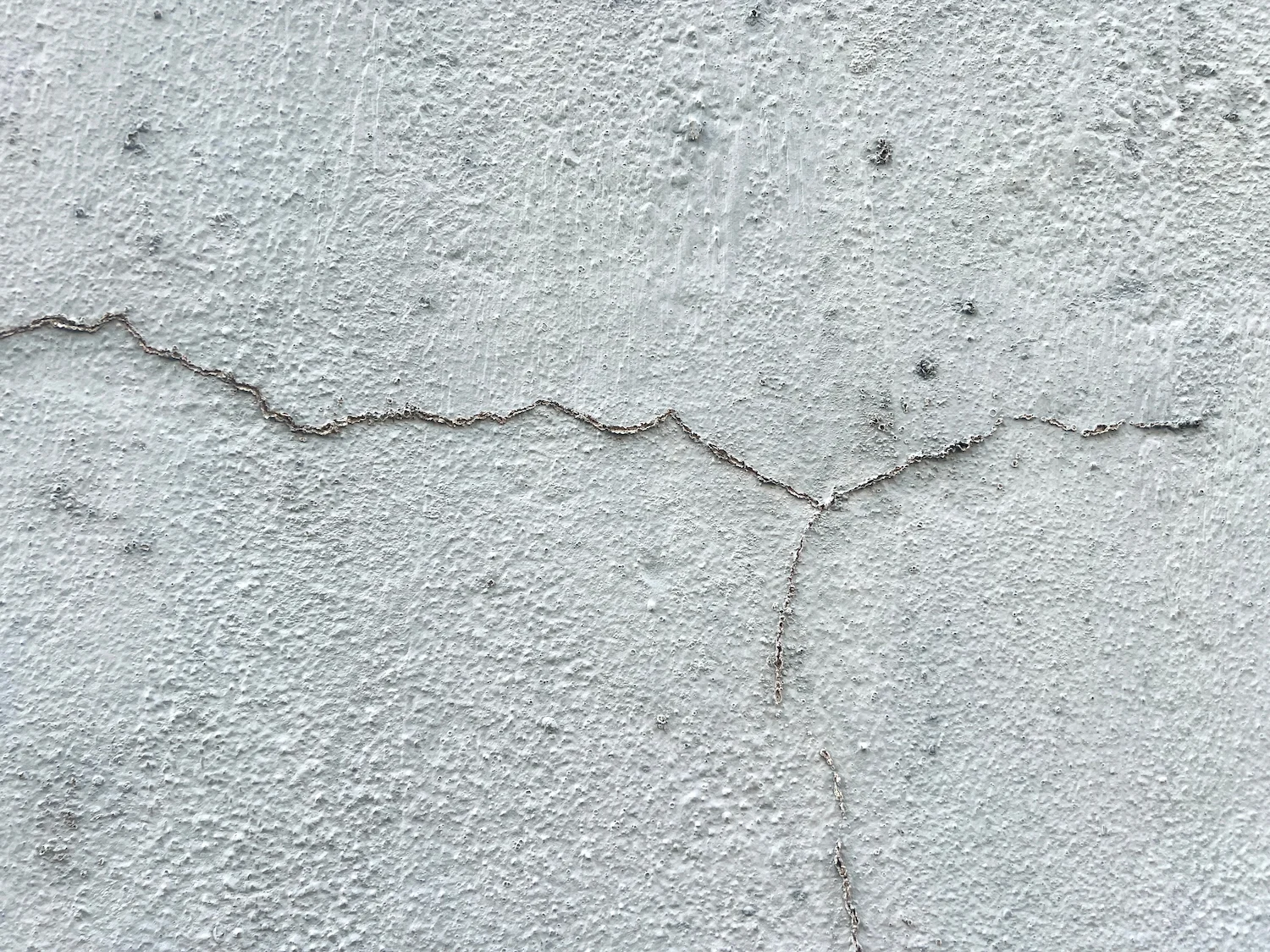
Stucco is a popular exterior finish for commercial buildings throughout New England, but moisture intrusion can lead to concealed mold growth, deteriorating building materials, and costly repairs.
For property managers, facility directors, and commercial building owners in Massachusetts, Rhode Island, Connecticut, and New Hampshire, understanding how water enters stucco wall systems is essential to protecting building performance and avoiding unnecessary restoration costs.
ESI Waterproofing & Masonry Restoration, Inc. provides commercial waterproofing services, stucco and EIFS repair and restoration, commercial masonry restoration, and exterior building restoration services to help property owners address moisture-related concerns.
What Causes Moisture Behind Stucco Walls?
Although stucco provides a durable exterior finish, it must work with appropriate flashing, drainage, sealants, and water-resistive barriers to manage moisture effectively.
Common causes of water intrusion include:
Cracked or Deteriorating Stucco: Cracks caused by movement, weather exposure, or material deterioration can allow water to enter the wall assembly.
Failed Window and Door Sealants: Deteriorated caulking can create openings where rainwater penetrates exterior walls.
Defective Flashing: Improperly installed or damaged flashing around windows, doors, rooflines, and balconies can direct water into concealed wall cavities.
Inadequate Drainage: When water cannot drain or dry properly behind a stucco finish, moisture may accumulate and damage underlying materials.
New England Freeze-Thaw Cycles: Repeated freezing and thawing can worsen existing cracks and deterioration, creating additional pathways for water intrusion.
Poor Roof Drainage: Leaking gutters, downspouts, and roof-to-wall transitions can expose exterior walls to excessive moisture.
Why Hidden Moisture Can Become a Costly Problem
Persistent moisture behind stucco can contribute to mold growth, wood rot, damaged insulation, deteriorating sheathing, and corrosion of metal components.
For commercial property owners, these problems can lead to more extensive restoration work, interior damage, tenant disruption, and unplanned maintenance expenses.
Warning signs include musty odors, water stains, peeling interior paint, cracked or bulging stucco, and recurring leaks around windows or exterior walls.
These symptoms do not automatically indicate mold growth, but they may warrant further investigation.
Addressing moisture intrusion early can help property owners identify problems before additional damage occurs.
How to Prevent Mold and Moisture Behind Stucco
A proactive building maintenance plan can help reduce water intrusion and protect exterior wall systems.
1. Schedule Regular Exterior Inspections
Inspect stucco, sealants, flashing, windows, and roof-to-wall transitions for cracks, deterioration, and signs of water intrusion. Consider professional inspections annually and after severe weather.
2. Repair Stucco Damage at Its Source
Surface patching may not resolve moisture problems caused by defective flashing, damaged barriers, or inadequate drainage. Repairs should address the underlying cause whenever possible.
3. Maintain Sealants and Flashing
Inspect joints around windows, doors, balconies, and other vulnerable transitions. Repair deteriorated components using methods appropriate for the existing wall system.
4. Maintain Proper Drainage
Keep gutters and downspouts clear, maintain roof drainage systems, and address areas where water collects near exterior walls or foundations.
5. Investigate Recurring Leaks
If moisture returns after previous repairs, consider a professional building-envelope evaluation. Targeted investigation may be necessary to identify concealed damage and determine the appropriate repair strategy.
Massachusetts and New England Building-Code Considerations
Massachusetts’ State Building Code, 780 CMR, includes provisions addressing exterior walls, weather protection, and water management within exterior wall assemblies.
Relevant provisions of Chapter 14 address exterior wall envelope requirements, including flashing and water-resistive barriers where applicable.
Rhode Island, Connecticut, and New Hampshire maintain their own adopted building codes and amendments. Requirements depend on the applicable code edition, building type, and scope of work.
When planning stucco or EIFS repairs, property owners should confirm applicable requirements with the local building department and qualified design professionals when necessary.
Official reference: Massachusetts State Building Code — 780 CMR
Commercial Stucco Repair and Waterproofing Services from ESI
When moisture enters behind stucco, identifying the source is an important step toward selecting an effective repair.
ESI Waterproofing & Masonry Restoration, Inc. provides restoration services to help commercial property owners maintain and protect their buildings.
Our services include:
- Stucco repair: Addressing deteriorated stucco and identified exterior defects.
- EIFS repair: Repairing exterior insulation and finish systems using appropriate methods.
- Commercial waterproofing: Helping protect building components against water intrusion.
- Masonry restoration: Repairing deteriorated masonry and related exterior components.
- Concrete restoration: Addressing damaged concrete as part of building rehabilitation.
- Historic restoration: Restoring older buildings while considering existing materials and architectural character.
- PVC and clapboard siding replacement: Replacing deteriorated siding as part of exterior restoration projects.
ESI also brings experience in commercial restoration and qualifying public-sector projects as a DCAMM-certified contractor.
Learn more about ESI’s services on our website.
Protect Your Commercial Building from Moisture Damage
Cracked stucco, failed sealants, defective flashing, and inadequate drainage can allow water to enter exterior walls and contribute to costly damage.
Regular inspections, appropriate repairs, and effective waterproofing can help property owners manage these risks and maintain their buildings over time.
Experiencing recurring leaks or deteriorating stucco at your commercial property?
Contact ESI Waterproofing & Masonry Restoration, Inc. to discuss your stucco repair, EIFS restoration, masonry restoration, and commercial waterproofing needs throughout Massachusetts, Rhode Island, Connecticut, and New Hampshire.
Disclaimer: This article is provided for general informational and educational purposes only and is not a substitute for a project-specific inspection, professional advice, or applicable building codes and regulations. Building conditions, materials, and requirements vary by property and jurisdiction. Recommendations should be evaluated by qualified professionals based on the specific project. External resources are provided for informational purposes only; their inclusion does not imply endorsement of ESI Waterproofing & Masonry Restoration Inc. by the referenced organizations.