
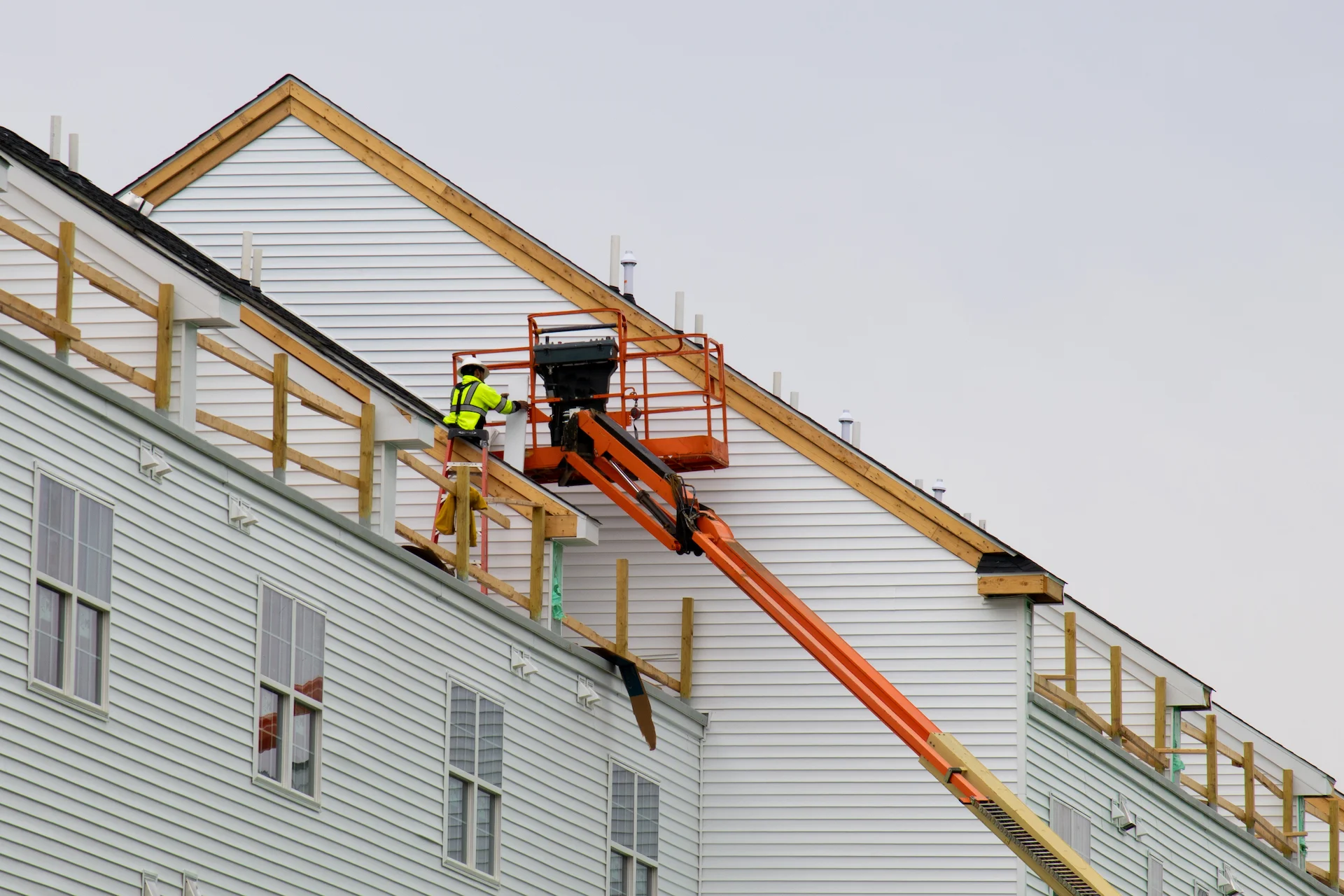
For condominium associations, exterior maintenance is about much more than improving curb appeal.
The siding, flashing, waterproofing details, masonry, windows, and other exterior components work together as part of the building envelope. When those components begin to deteriorate, water intrusion can lead to expensive damage behind the exterior surface—including deteriorated sheathing, framing, insulation, and interior finishes.
That is why more condominium associations and property managers are evaluating PVC siding replacement as part of a larger exterior restoration strategy.
For properties throughout Massachusetts and New England, PVC siding can provide an attractive, durable exterior while helping address common challenges associated with moisture, weather exposure, maintenance, and aging siding systems.
For condominium boards and property managers considering an exterior renovation, the goal shouldn’t simply be to install new siding. The goal should be to create a properly detailed exterior wall assembly that manages water and protects the building for years to come.
What Is PVC Siding?
PVC siding is a manufactured exterior cladding product designed to provide a durable protective finish over a building’s exterior wall assembly.
Compared with traditional wood siding, PVC products can offer advantages such as:
- Resistance to moisture-related deterioration
- Reduced painting and routine maintenance
- Consistent appearance
- Resistance to rot and insects
- Long-term exterior durability
- A wide range of colors and profiles
- Compatibility with many condominium architectural styles
However, the siding itself is only one part of the system.
A successful condominium siding replacement project should also consider the condition of the existing substrate, weather-resistant barrier, flashing, penetrations, window and door interfaces, sealants, trim, and surrounding masonry.
1. PVC Siding Can Reduce Long-Term Exterior Maintenance
One of the biggest concerns for condominium associations is the ongoing cost of maintaining aging exterior materials.
Traditional wood siding may require periodic painting, scraping, caulking, and localized repairs. When maintenance is deferred, moisture can penetrate vulnerable areas and contribute to deterioration.
PVC siding can reduce some of those recurring maintenance requirements.
For condominium associations managing large buildings, fewer routine exterior maintenance demands can translate into:
- Lower maintenance requirements
- Fewer painting cycles
- Reduced exposure to wood rot
- More predictable exterior maintenance planning
- Improved long-term appearance
For property managers responsible for multiple buildings, this predictability can be particularly valuable.
2. New England Weather Puts Exterior Walls to the Test
Massachusetts and New England buildings experience demanding weather conditions throughout the year.
Heavy rain, snow, ice, wind, humidity, temperature fluctuations, and freeze-thaw cycles can all contribute to exterior deterioration.
Water is especially problematic when it gets behind siding or enters vulnerable wall assemblies.
Over time, moisture intrusion can contribute to:
- Rotting sheathing
- Deteriorated framing
- Mold or microbial growth
- Damaged insulation
- Interior water stains
- Deteriorated masonry
- Corroded metal components
- Failed sealants
- Repeated leaks around windows and doors
A siding replacement project therefore presents an opportunity to address more than the visible exterior.
It can be an opportunity to evaluate the entire building envelope.
3. Proper Waterproofing Is Critical During Siding Replacement
One of the most important considerations for a condominium association is what happens behind the siding.
Massachusetts building regulations address exterior wall assemblies and weather protection. Under the Massachusetts State Building Code, exterior wall assemblies are required to provide a weather-resistant exterior wall envelope, with provisions addressing water-resistive barriers, flashing, and drainage.
This is an important distinction:
Installing new siding does not automatically solve an existing water-intrusion problem.
Before replacement, contractors should evaluate the existing wall assembly and identify potential areas of water entry.
Depending on the building, this may include examining:
- Window and door openings
- Wall penetrations
- Flashing
- Corners
- Roof-to-wall transitions
- Deck connections
- Trim details
- Existing sealants
- Masonry-to-siding transitions
- Existing weather-resistant barriers
The Massachusetts 10th Edition Building Code is currently in effect, and Chapter 14 specifically addresses exterior walls.
Because code requirements can vary based on the building’s construction, occupancy, height, location, and scope of work, condominium associations should have their project evaluated by qualified professionals and confirm applicable requirements with the local building department.
4. PVC Siding Can Improve the Appearance of Aging Condominium Properties
Exterior appearance matters.
For condominium communities, an aging exterior can affect how residents, prospective buyers, visitors, and neighboring properties perceive the development.
New PVC siding can provide a clean, consistent appearance across an entire property while allowing associations to modernize the architectural character of the building.
Depending on the product selected, PVC siding can replicate traditional exterior profiles while offering a more contemporary maintenance strategy.
Potential design options include:
- Traditional clapboard profiles
- Shingle-style profiles
- Different siding widths
- Multiple color options
- Architectural trim
- Contrasting accent areas
- Combination siding and masonry designs
This can be especially useful when renovating older condominium buildings where the association wants to preserve the property’s character while reducing ongoing maintenance.
5. Siding Replacement Can Be Part of a Larger Building Envelope Restoration
One of the biggest mistakes property owners can make is treating siding replacement as an isolated cosmetic project.
If a building has a history of leaks, deteriorated masonry, failing sealants, damaged concrete, or deteriorated exterior wall components, replacing the siding without addressing those conditions may leave underlying problems unresolved.
A more comprehensive approach may combine:
PVC siding replacement + waterproofing + flashing + sealant replacement + masonry restoration + substrate repairs.
This building-envelope approach helps address the systems that work together to keep water outside the building.
At ESI Waterproofing & Masonry Restoration, Inc., siding replacement is part of a broader range of exterior restoration services that includes masonry repair, concrete restoration, commercial waterproofing, historic restoration, EIFS repair, flashing installation, and sealant replacement.
6. PVC Siding Can Be a Strategic Investment for Condominium Associations
Condominium boards often have to balance immediate project costs against long-term property maintenance.
A lower upfront price isn’t necessarily the best value if the building requires frequent repairs afterward.
When evaluating siding options, associations should consider the total cost of ownership, including:
- Initial installation
- Painting requirements
- Maintenance frequency
- Repair requirements
- Moisture-related risks
- Expected service life
- Appearance
- Future maintenance accessibility
- Compatibility with the existing building envelope
A properly planned PVC siding replacement can become part of a long-term capital improvement strategy rather than simply an emergency repair.
7. PVC Siding May Be Especially Valuable for Older New England Properties
Many condominium buildings throughout Massachusetts were constructed decades ago.
Older properties may contain a combination of materials, including:
- Brick masonry
- Concrete
- Stone
- EIFS
- Older siding systems
- Historic architectural elements
These materials can require different restoration approaches.
A siding replacement project provides an opportunity to investigate areas where different exterior materials meet and determine whether water-management details need to be upgraded.
For historic or architecturally significant properties, the approach should be tailored to the building rather than applying a one-size-fits-all siding solution.
ESI specializes in historic restoration as well as masonry, waterproofing, EIFS, concrete, and siding work, allowing exterior restoration needs to be evaluated as interconnected components rather than isolated repairs.
8. What Should a Condominium Association Evaluate Before Replacing Siding?
Before approving a major siding project, condominium boards and property managers should consider several important questions.
Is the existing siding failing?
Look for:
- Cracked or warped siding
- Rot
- Bulging
- Loose panels
- Failed caulking
- Staining
- Water damage
- Repeated maintenance problems
Is there evidence of water intrusion?
Interior stains, musty odors, deteriorated drywall, or recurring leaks may indicate problems behind the siding.
What condition is the substrate in?
Replacing exterior cladding over deteriorated sheathing or framing may not address the underlying problem.
Are the flashing details adequate?
Flashing around windows, doors, roof intersections, decks, and other penetrations is critical to water management.
Does the building require masonry or concrete repairs?
Masonry cracks, deteriorated mortar joints, spalling concrete, or failed sealants may need to be addressed as part of the larger restoration project.
Why Choose ESI Waterproofing & Masonry Restoration for Condominium Exterior Projects?
ESI Waterproofing & Masonry Restoration, Inc. is a New England-based contractor specializing in masonry restoration, waterproofing, concrete restoration, historic restoration, EIFS repair, stucco repair, and PVC and clapboard siding replacement.
ESI’s service capabilities include both PVC and clapboard siding replacement as well as building-envelope repairs, flashing installation, commercial waterproofing, sealant replacement, masonry repair, and concrete restoration.
That combination is particularly valuable for condominium associations because exterior deterioration rarely occurs in only one material.
A siding problem may involve flashing.
A flashing problem may involve waterproofing.
A waterproofing problem may involve deteriorated masonry or substrate.
Addressing those components together can help condominium associations make better-informed decisions about their buildings.
ESI also works on projects ranging from condominium repairs to large-scale commercial restoration projects and is a DCAMM-certified contracting company.
Is Your Condominium Building Ready for a Siding Upgrade?
For condominium associations in Massachusetts and throughout New England, replacing aging siding can be an opportunity to do more than improve the appearance of a property.
A properly planned siding replacement project can help address moisture-management concerns, reduce maintenance demands, modernize the building’s appearance, and become part of a larger long-term building-envelope restoration strategy.
The key is choosing a contractor who understands that siding, waterproofing, masonry, flashing, sealants, and the underlying wall assembly all work together.
If your condominium association is experiencing deteriorated siding, recurring leaks, exterior maintenance problems, or concerns about the condition of its building envelope, ESI Waterproofing & Masonry Restoration, Inc. can evaluate the property and help develop a restoration strategy tailored to the building.
Request a free professional inspection and estimate from ESI Waterproofing & Masonry Restoration, Inc.